
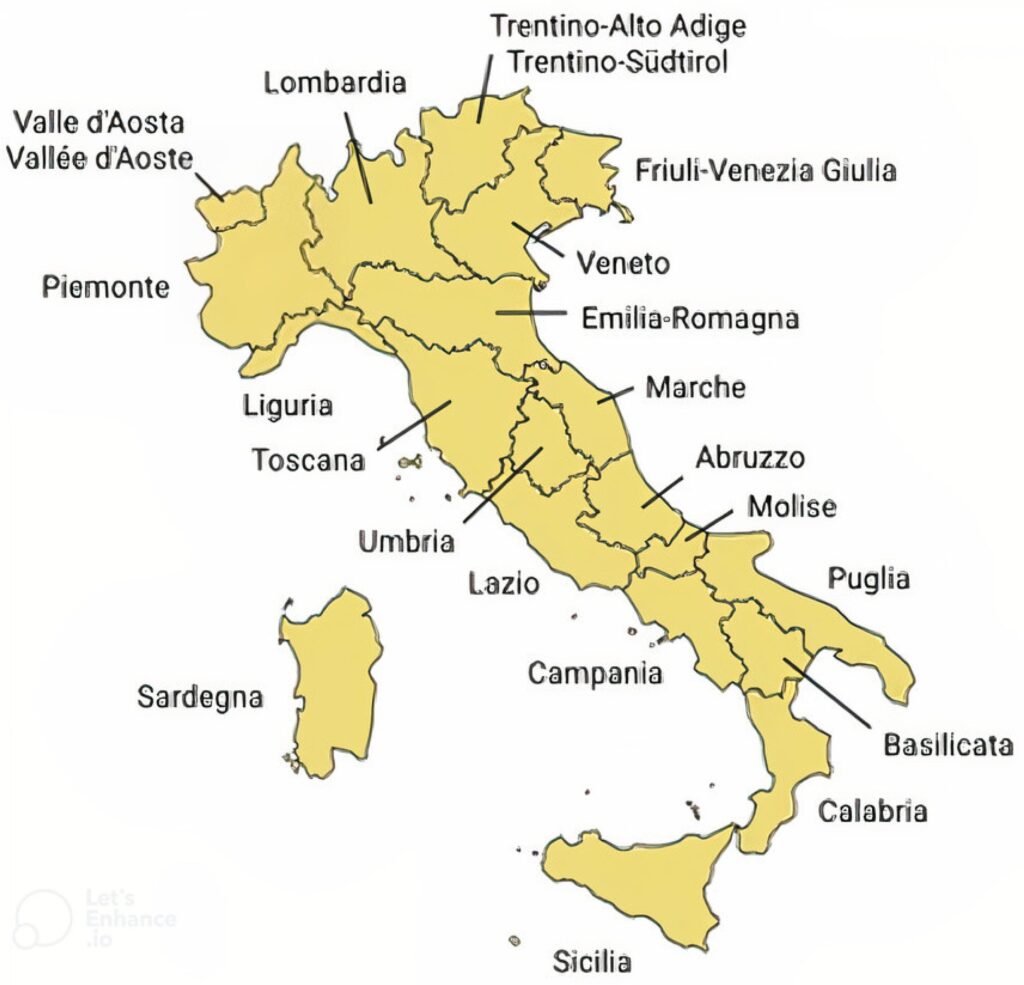
Italy is renowned for its rich industrial heritage, which has played a pivotal role in shaping the country’s economy and society over the centuries. While Italy’s overall economic performance has been steadily improving, there are certain regions that stand out as hubs of industrial activity, driving growth, innovation, and employment opportunities. In this comprehensive article, we will delve into the top industrialized regions of Italy, exploring their unique characteristics, challenges, and opportunities.
What Drives Industrialization?
Industrialization is a complex process driven by various factors, including technological advancements, changes in global trade patterns, demographic shifts, and government policies. In Italy’s context, the country’s industrial sector has been shaped by its strategic location at the crossroads of Europe, its access to skilled labor, and its favorable business climate. The Northwestern region of Lombardy and Piedmont have long been the backbone of Italy’s industrialization, with many major industries such as textiles, food processing, and machinery manufacturing.
The Northern Region: A Hub for Industry
Lombardy and Piedmont are the leaders in industry, accounting for over 40% of Italy’s industrial production. These regions boast a highly developed infrastructure, an extensive transportation network, and a large pool of skilled labor. The strong presence of multinational corporations (MNCs) such as Fiat Chrysler Automobiles (FCA), Philips Healthcare, and Unilever has contributed significantly to the region’s industrial growth.
Ravenna: The City with the Most Industrial Stables
While Lombardy and Piedmont are the leaders in industry, another region is gaining attention for its high number of hazardous waste facilities. Ravenna, a city located on the Adriatic coast, is home to an astonishing 25 industrial sites that meet the Seveso standard. This means that these sites handle substances that can be harmful to human health and the environment. The presence of large-scale industries such as chemical plants and refineries has contributed to the high concentration of hazardous waste facilities in this region.
Brescia: The Second City with the Most Industrial Stables
While Ravenna takes the top spot in terms of hazardous waste facilities, Brescia comes in second. The city is home to 8 industrial sites that meet the Seveso standard, making it a major player in Italy’s industrial landscape. Brescia has long been known for its textile industry, with many factories producing clothing and fabrics.
Venice: A Leader in Waste Storage
But which region has the most to do with waste storage? Venice, often famous for its canals and historic architecture, holds an unexpected surprise. The city is home to over 1 million tons of hazardous waste, far more than any other Italian region. This staggering amount of waste has been generated by the large-scale industries that have established themselves in the surrounding area.
The Green Economy: A Growing Trend
Despite the prevalence of industrialization in some regions, there are efforts underway to promote a green economy. In particular, the Trentino-Alto Adige region has been successful in developing a model of sustainable development based on small and medium-sized enterprises (SMEs). This approach has allowed the region to thrive while minimizing its environmental impact. The NEC model, which prioritizes SMEs over larger corporations, has become a benchmark for sustainable development in Italy.
The South: Where Industrialization Lags
In contrast, some regions have struggled with industrialization. The Calabria and Sicily regions are among those that lag behind in terms of economic development. According to data from 2005, only 24% of workers in these regions were employed in industry, compared to over 40% in Lombardy and Piedmont. This significant disparity highlights the need for targeted policies to support industrialization in these regions.
Challenges Facing Italy’s Industrial Regions
While Italy’s industrial regions have made significant strides in recent years, they continue to face numerous challenges. One of the most pressing issues is the lack of skilled labor, particularly in the manufacturing sector. Many workers in these regions are employed in low-skilled jobs, which limits their opportunities for career advancement and increases the risk of job displacement.
Another challenge facing Italy’s industrial regions is the need for more investment in research and development (R&D). The country’s industries require significant investments in R&D to stay competitive with international counterparts. Moreover, many Italian companies lack the resources and expertise needed to invest in innovative technologies and processes.
Opportunities for Growth
Despite these challenges, Italy’s industrial regions offer numerous opportunities for growth and investment. One of the most promising sectors is renewable energy, particularly wind power and solar energy. The country has significant potential for developing its renewable energy sector, which could create new jobs and stimulate economic growth.
Another opportunity lies in the development of high-tech industries such as biotechnology and nanotechnology. These sectors have the potential to drive innovation and job creation in Italy’s industrial regions.
Conclusion
Italy’s most industrialized regions are often shrouded in mystery, but understanding their unique characteristics is essential for promoting sustainable development. By examining the different approaches to industrialization across the country, we can gain valuable insights into how to create a more balanced and environmentally-friendly economy. The NEC model, which prioritizes SMEs over larger corporations, has become a benchmark for sustainable development in Italy.
Moreover, addressing the challenges facing Italy’s industrial regions is crucial for the country’s economic growth and development. By investing in R&D, creating jobs, and promoting innovation, we can unlock the full potential of these regions and drive economic growth across Italy.
Frequently Asked Questions (FAQs)
- What percentage of Italy’s GDP is accounted for by its industrial sector?
The industrial sector accounts for 26.6% of Italy’s GDP.
- Which regions are the most industrialized in Italy?
Lombardy and Piedmont are the leaders in industry, followed closely by the Veneto region.
- What is Ravenna’s ranking among Italian cities with hazardous waste facilities?
Ravenna takes the top spot among Italian cities with hazardous waste facilities, with 25 sites meeting the Seveso standard.
- Which regions have the lowest percentage of workers employed in industry?
Calabria and Sicily are among the regions that lag behind in terms of economic development, with only 24% of workers employed in industry.
- What is the NEC model, and how does it promote sustainable development?
The NEC model prioritizes small and medium-sized enterprises (SMEs) over larger corporations, allowing for a more balanced and environmentally-friendly economy to develop.
- How does Venice’s waste storage compare to other Italian regions?
Venice holds an unexpected surprise in terms of its large quantities of hazardous waste, far exceeding that of any other Italian region.
- What percentage of Italy’s industrial production comes from the northwestern region of Lombardy and Piedmont?
Lombardy and Piedmont account for over 40% of Italy’s industrial production.
- How does Calabria compare to other regions in terms of its economic development?
Calabria is among the regions that lag behind in terms of economic development, with only 24% of workers employed in industry.


