
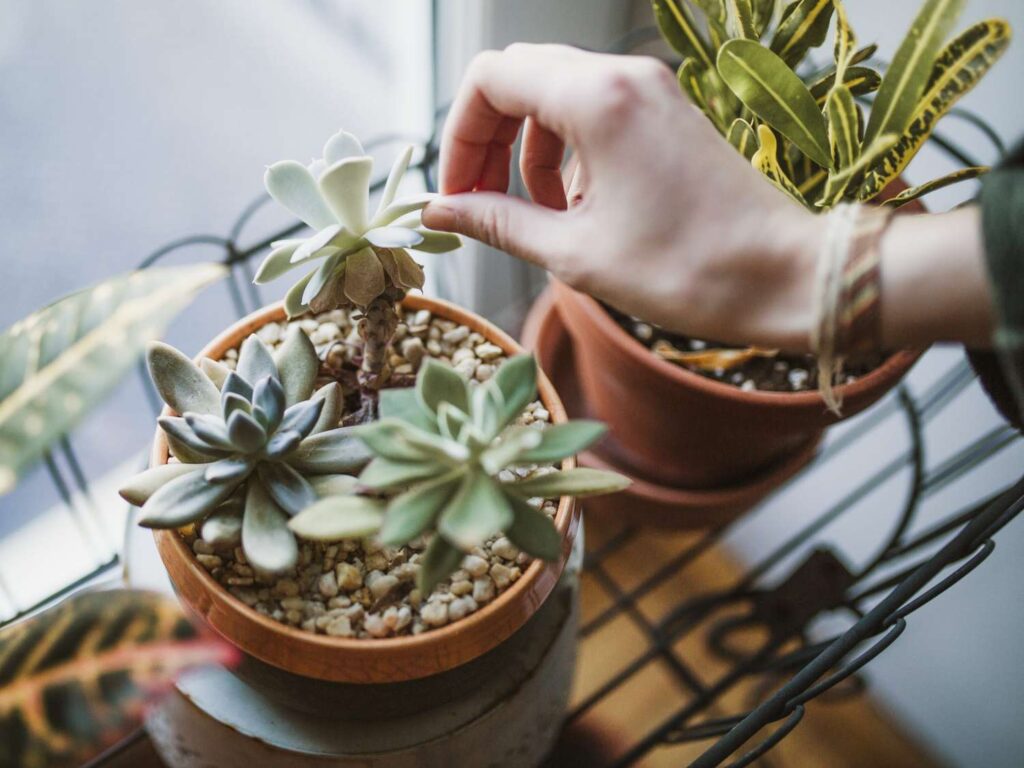
As a homeowner, you may be considering bringing some of the natural beauty of cacti and succulents into your home. These plants are not only low-maintenance, but they can also add a touch of elegance and nature to any room. However, caring for them requires attention to their specific needs.
In this article, we will explore the basics of caring for cacti and succulents, including how to water, fertilize, and propagate these plants. We will also discuss some common issues that can arise and provide tips on how to address them.
Irrigating Your Cacti and Succulents
One of the most important aspects of caring for your cacti and succulents is irrigation. These plants are adapted to dry conditions and do not require frequent watering. In fact, overwatering can be detrimental to their health.
When to water? The frequency of watering depends on the season:
- Summer: Water every 7-10 days during the hot summer months.
- Fall and Winter: Reduce watering to once every 4-6 weeks during the cooler seasons.
- Spring: Gradually increase watering as the weather warms up.
What type of water? Use distilled or rainwater, which is free from minerals that can harm your plants. Avoid using tap water, especially if it’s hard water, as it may contain high levels of calcium and magnesium.
Lighting Your Cacti and Succulents
Cacti and succulents require bright light to photosynthesize and grow. However, direct sunlight can be intense and may cause burning or scorching.
Where to place your plants? Position them near a south-facing window or under grow lights. Keep them at least 6-8 inches away from any surfaces to prevent overheating.
Temperature and Humidity
Cacti and succulents are adapted to dry conditions and can tolerate temperatures ranging from 40°F to 90°F (4°C to 32°C). However, some species may require warmer or cooler temperatures.
What about humidity? Cacti and succulents prefer a relatively low humidity environment, around 40-50%. You can use a humidifier if the air is too dry, but be careful not to overdo it, as this can lead to root rot.
Fertilizing Your Cacti and Succulents
Cacti and succulents require fertilization during the growing season. Use a balanced fertilizer that’s specifically formulated for cacti and succulents.
When to fertilize? Fertilize every 2-4 weeks during the spring and summer months when your plants are actively growing.
What type of fertilizer? Look for a fertilizer that contains nitrogen, phosphorus, and potassium (NPK) in a balanced ratio. You can also use organic fertilizers like compost or fish emulsion, which are rich in nutrients and will not harm your plants.
Pruning Your Cacti and Succulents
Pruning is an essential part of caring for your cacti and succulents. It helps maintain their shape, promotes healthy growth, and encourages new growth.
When to prune? Prune during the spring or summer months when your plants are actively growing.
What type of pruning? Use a pair of clean, sharp scissors or pruning shears to remove any dead or damaged segments. Remove only what is necessary, as excessive pruning can stress the plant.
Propagating Your Cacti and Succulents
Cacti and succulents can be propagated through several methods:
- Seeding: Sow seeds in well-draining soil and keep them moist until germination.
- Stem cuttings: Cut off a segment of the stem, remove any leaves, and plant it in well-draining soil.
- Leaf propagation: Remove a healthy leaf from the mother plant, allow it to dry for a few days, and then plant it in well-draining soil.
Common Issues and Solutions
Here are some common issues that can arise when caring for cacti and succulents:
- Overwatering: Allow the soil to dry completely before watering again. Reduce watering frequency during the winter months.
- Underwatering: Increase watering frequency, but avoid overwatering.
- Pests: Inspect your plants regularly for signs of pests, such as mealybugs or spider mites. Use insecticidal soap or neem oil to treat infestations.
Tips and Tricks
Here are some additional tips and tricks to help you care for your cacti and succulents:
- Repotting: Repot your plants every 2-3 years to provide fresh soil and a larger pot if necessary.
- Pest control: Use neem oil or insecticidal soap to treat infestations of pests like mealybugs, spider mites, or scale.
- Propagation: Propagate new plants during the spring and summer months when your mother plant is actively growing.
- Pruning: Prune your plants regularly to maintain their shape and encourage healthy growth.
FAQs
Here are some frequently asked questions about caring for cacti and succulents:
Q: How often should I water my cactus?
A: Water every 7-10 days during the summer months, and reduce watering frequency during the winter months.
Q: What type of fertilizer should I use for my cactus?
A: Use a balanced fertilizer that’s specifically formulated for cacti and succulents.
Q: Can I propagate my cactus through leaf cuttings?
A: Yes, but make sure to dry the leaves completely before planting them in well-draining soil.
Q: How can I prevent pests from infesting my cactus?
A: Inspect your plants regularly, use insecticidal soap or neem oil to treat infestations, and avoid overwatering.
Q: Can I grow a cactus in indoor conditions?
A: Yes, but make sure to provide bright light, maintain good air circulation, and reduce watering frequency during the winter months.
Conclusion
Caring for cacti and succulents requires attention to their specific needs, including watering, fertilization, and pruning. By following these guidelines, you can keep your plants healthy and thriving. Remember to monitor their condition regularly, address any issues promptly, and enjoy the beauty of these amazing plants in your home or garden.
Additional Resources
Here are some additional resources that can help you care for your cacti and succulents:
- Cactus forums: Join online forums dedicated to cactus enthusiasts to ask questions, share knowledge, and learn from others.
- Books on cactus care: Read books specifically written about cactus care and propagation techniques.
- Gardening websites: Visit gardening websites for tips on growing cacti and succulents indoors or outdoors.
By following these guidelines and tips, you can become a skilled cactus and succulent grower and enjoy the beauty of these amazing plants in your home or garden.


