
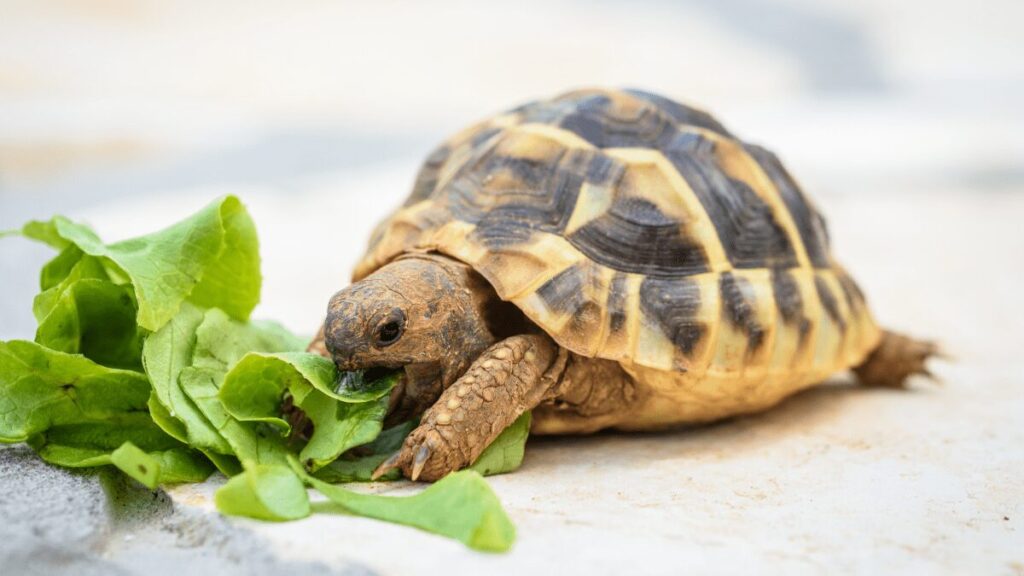
When it comes to caring for these amazing creatures, many people focus on the marine tortoises, like the Caretta Caretta. But let’s not forget about the land tortoises, which live slow and steady, and can be quite interesting to keep as pets or learn from.
One thing I find fascinating about these animals is their perseverance. It’s hard to imagine proceeding at such a slow pace, yet they do it all the time. Could it be the secret to their longevity?
What Do Tortoises Eat?
Essential for survival is water, so we must always provide fresh water for our tortoise and make sure they drink plenty of it. If we don’t see them drinking, it’s not our problem; it’s up to them to take care of themselves.
When it comes to food, we need to remember that these animals are herbivores. They love fresh greens like grasses and plants, but can also adapt to dry ones, although they’re less tasty and fragrant. It’s a no-brainer: tortoises don’t eat meat!
So, what do our land tortoise friends like to munch on? Some examples include:
- Taraxacum (dandelion)
- Plantaginaceae (plantain family)
- Cresson (mustard)
- Wild garlic (ramps)
- Rose flowers and leaves
- Ficus leaves
- Cicory leaves, radish, and escarole
- Occasional fruit in moderation
Yes, you can give them fruits like strawberries, blueberries, raspberries, peaches, grapes, and plums. However, it’s best to do so sparingly, as they are not very digestible for these slow-moving animals.
Can You Give Them Meat?
Absolutely not! While tortoises can tolerate small amounts of fruit in moderation, animal-derived foods are completely off-limits. This includes meat, fish, and even eggs. A rare exception is the seashell, which provides essential calcium for their growth.
So, what about treats like chocolate or other sweets? Definitely no!
Tortoise Enclosures: Recints
Land tortoises love open air and outdoor environments. They may move slowly, but they yearn to be free from constraints. That’s why it’s not recommended to keep them indoors in a terrarium or cage.
In rare cases, we might need to care for our land tortoises indoors, like when an elderly or sick animal requires special attention. In any other case, let’s just say that these amazing creatures deserve the freedom they were born to enjoy.
If you’re thinking of getting a tortoise as a pet, it’s essential to provide them with enough space to roam around outside in their enclosure. The ideal size will depend on the size of your animal, but here are some tips:
- Create an area that allows them to move freely and safely.
- Add some sunlight areas for basking, but also include shaded spots for rest.
- Use a metal mesh to protect them from predators like rodents.
Tortoise Hibernation
When winter arrives, our land tortoises enter hibernation. It’s not about imitating other animals; it’s essential for their health and survival. During this time, they slow down their metabolism, allowing them to conserve energy.
To ensure their safety, we should provide a quiet, sheltered spot with temperatures between 5°C and 10°C (41°F and 50°F). If the temperature drops below 2°C (36°F), they may experience hypothermia or even hibernation.
To help our tortoises prepare for this critical period:
- Ensure their stomachs are empty.
- Create a burrow or shelter for them to retreat into when needed.
- Protect their shelter from flooding and other hazards.
How Much Do Tortoises Cost?
The cost of owning a tortoise can vary greatly depending on the species, age, size, and quality. Here’s what you might expect:
- Baby tortoises: $10 to $30
- Small tortoises: $20 to $100
- Medium tortoises: $50 to $200
- Large tortoises: $100 to $500
- Adult tortoises: $200 to $1,000
Keep in mind that these prices are only estimates and may vary depending on your location, the breeder or seller, and other factors.
Tortoise Care: The Cost of Ownership
While it’s tempting to think of owning a tortoise as inexpensive, there are many costs associated with their care. Here are some estimated expenses:
- Food: $10 to $50 per month
- Veterinary care: $20 to $100 per year
- Enclosure maintenance: $10 to $30 per month
- Supplements: $5 to $10 per month
Overall, the cost of owning a tortoise can range from $500 to $2,000 per year, depending on your lifestyle and the specific needs of your animal.
By understanding the needs of these incredible animals, we can provide them with the care they deserve and enjoy watching them thrive.


