
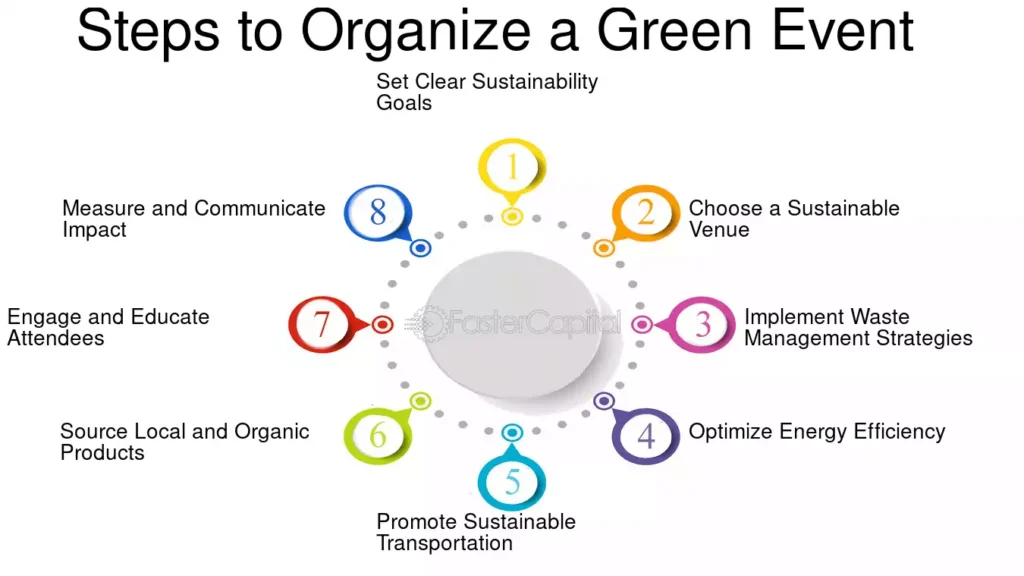
Creating a Green Event: A Sustainable Guide for Organizers
As the world becomes increasingly aware of environmental issues, the demand for sustainable events is on the rise. Whether it’s a concert, a village fair, or simply a birthday celebration, organizing a green event has become a necessity. Fortunately, there are simple guidelines to follow, and we’ll explore them with you.
The Importance of Sustainable Events
Legambiente, through its Festambiente initiative, sets an example for events with zero impact. With the growth of environmental consciousness, it’s essential to adopt sustainable practices in event planning. Portals like GreenNight offer solutions for organizing eco-friendly and low-CO2-emitting events.
Why Go Green?
When planning an event, consider the potential impact on the environment. By adopting sustainable practices, you can reduce your carbon footprint and contribute to a more environmentally friendly future. While it’s not possible to achieve perfect zero-impact, making conscious choices can significantly minimize harm.
Technologies for High-Efficiency Energy Use
When resources are available, utilizing high-efficiency technologies and renewable energy sources is crucial. However, when an on-site solar panel installation is not feasible, there are still ways to make a difference. Let’s explore some simple yet effective strategies:
Utilize Zero-Mileage Products
Choosing products sourced locally can significantly reduce carbon emissions. By partnering with small, local suppliers, you’ll not only support the local economy but also ensure genuine, zero-mileage products.
- Benefits: Reduces transportation-related emissions and supports local economies.
- Tips:
- Partner with local suppliers to source products.
- Consider using online platforms or directories to find local vendors.
- Ensure that all products are sustainably sourced and meet your event’s standards.
Prioritize Biodegradable Materials
Opting for biodegradable materials for event decorations, packaging, and tableware is a great starting point. Not only will this reduce waste, but it will also contribute to a more circular economy.
- Benefits: Reduces waste and contributes to a circular economy.
- Tips:
- Choose biodegradable materials like bamboo, plant-based options, or recycled paper products.
- Consider composting food waste and using biodegradable packaging materials.
- Look for certifications like Biodegradable Products Institute (BPI) or Compostable Certification.
Event-Specific Sustainable Practices
Implementing these simple practices during the event itself and post-event can make a significant impact:
Organize a Compost Bin
Set up a compost bin or designated area for food waste, which will be collected and processed. This not only reduces waste but also creates nutrient-rich soil.
- Benefits: Reduces waste and creates nutrient-rich soil.
- Tips:
- Choose a composting method that suits your event size and needs.
- Ensure proper segregation of food waste from other materials.
- Consider partnering with local farmers or gardening organizations to utilize the compost.
Use Biodegradable Utensils
Replace traditional plastic utensils with biodegradable alternatives, such as bamboo or plant-based options.
- Benefits: Reduces single-use plastics and minimizes waste.
- Tips:
- Choose biodegradable materials that meet your event’s standards.
- Consider using compostable or recyclable utensils for certain food items.
- Offer reusable utensil options for attendees who prefer them.
Promoting Sustainable Living
Extend the sustainability of your event by encouraging attendees to adopt environmentally friendly habits:
Encourage Public Transportation and Cycling
Invite guests to attend the event using public transportation or bicycles. Offer incentives like discounts or freebies for those who choose eco-friendly modes of transport.
- Benefits: Reduces carbon emissions and promotes sustainable transportation options.
- Tips:
- Partner with local transportation providers to offer discounted fares or promotions.
- Provide information on bike-share programs or carpooling services.
- Encourage attendees to share their eco-friendly transportation methods on social media.
Plant Trees after the Event
Finally, consider planting trees or supporting reforestation efforts to offset carbon emissions generated during the event.
- Benefits: Offsets carbon emissions and promotes sustainable land use practices.
- Tips:
- Partner with a reforestation organization or tree-planting initiative.
- Consider using locally sourced materials for tree planting, such as native soil and seedlings.
- Provide regular updates on the progress of your reforestation efforts.
A Decalogo for Sustainable Events
By following these guidelines, you’ll be well on your way to hosting a green event that’s not only sustainable but also enjoyable:
- Utilize products sourced locally
- Prioritize biodegradable materials
- Organize a compost bin and use eco-friendly utensils
- Promote public transportation and cycling
- Plant trees after the event
Conclusion
With these simple yet effective strategies, you can create a green event that’s both sustainable and enjoyable for attendees. Remember, every small step counts, and collective efforts will lead to significant positive change.
FAQs
Q: How can I ensure that my event is carbon-neutral?
- By implementing sustainable practices throughout the event, using renewable energy sources when possible, and offsetting any remaining emissions through reforestation or carbon offset programs.
Q: What are some eco-friendly alternatives to traditional plastic utensils?
- Biodegradable materials like bamboo, plant-based options, or reusable alternatives can be used as substitutes for plastic utensils.
Q: Can I use a compost bin during the event?
- Yes, setting up a designated area for food waste and collecting it in a compost bin will help reduce waste and create nutrient-rich soil.
Q: How can I encourage attendees to attend the event using public transportation or bicycles?
- Offer incentives like discounts, freebies, or recognition for those who choose eco-friendly modes of transport.
Q: Can I plant trees after the event to offset carbon emissions?
- Yes, consider partnering with a reforestation organization or planting trees in a nearby park to help offset any remaining emissions.
Q: What is the impact of using zero-mileage products on the environment?
- By choosing products sourced locally, you’ll reduce transportation-related emissions and support local economies, ultimately contributing to a more environmentally friendly future.
Q: How can I make my event more accessible for attendees with disabilities?
- Ensure that all necessary accommodations are made available, such as wheelchair accessibility, sign language interpretation, or audio descriptions.
Q: Can I reuse materials from previous events?
- Yes, repurposing materials from previous events can significantly reduce waste and contribute to a more circular economy.
Q: How can I measure the success of my sustainable event?
- Track your event’s carbon footprint, energy usage, and waste reduction using tools like carbon calculators or sustainability reporting software.


