
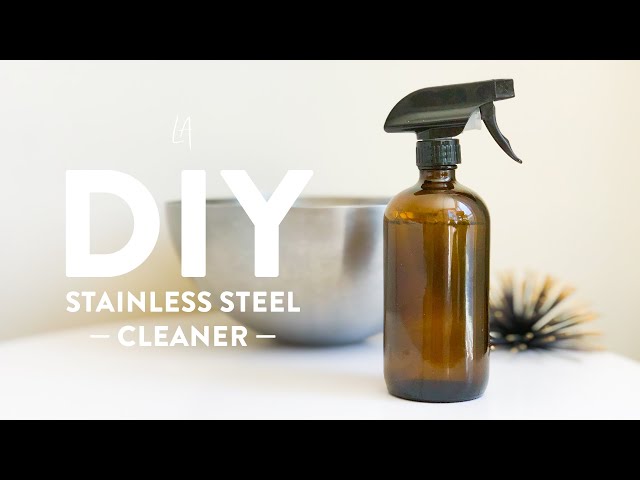
Are you tired of using harsh chemicals and detergents that can harm the environment and your skin? Do you want to keep your stainless steel appliances in perfect condition without breaking the bank? Look no further! In this article, we’ll explore the power of natural cleaning agents and show you how to make your own DIY detergents for stainless steel.
Why Natural Cleaning Agents?
When it comes to cleaning stainless steel, there are many harsh chemicals and detergents available on the market that can be damaging to the environment and our skin. These products often contain harsh surfactants, abrasives, and other chemicals that can strip away the protective coating on your stainless steel appliances.
Natural cleaning agents, on the other hand, offer a gentler and more effective alternative for cleaning stainless steel. By using natural ingredients like lemon juice, vinegar, baking soda, and salt, you can create a range of DIY detergents that are safe to use on your stainless steel appliances.
Benefits of Natural Cleaning Agents
There are many benefits to using natural cleaning agents for stainless steel. Some of the most significant advantages include:
- Environmental sustainability: Many commercial cleaners contain harsh chemicals that can harm aquatic life and contaminate soil and water.
- Skin health: Harsh chemicals in traditional cleaners can cause skin irritation, allergic reactions, and even long-term damage to your skin’s pH balance.
- Cost-effective: Natural cleaning agents are often inexpensive and can be made at home with common household ingredients.
- Customization: By using natural ingredients, you can create DIY detergents that are tailored to your specific cleaning needs.
DIY Detergent Recipes
Here are some simple recipes for DIY detergents that you can try at home:
Lemon Juice
- 1 lemon, juiced
- Water (optional)
Cut the lemon in half and squeeze the juice onto the surface of the stainless steel appliance. Use a soft cloth to wipe away any dirt or grime.
Why it works: The acidity in lemon juice helps break down mineral deposits and dirt on stainless steel surfaces.
Vinegar and Baking Soda
- 1 cup white vinegar
- 2 tablespoons baking soda
Mix the two ingredients together to form a paste. Apply the paste to the surface of the stainless steel appliance and let it sit for 10-15 minutes before rinsing with warm water.
Why it works: The acidity in vinegar helps break down mineral deposits, while the baking soda acts as an abrasive to remove dirt and grime.
Salt and Baking Soda
- 1 tablespoon salt
- 2 tablespoons baking soda
Mix the two ingredients together to form a paste. Apply the paste to the surface of the stainless steel appliance and let it sit for 10-15 minutes before rinsing with warm water.
Why it works: The abrasive properties of baking soda help remove dirt and grime, while the salt helps break down mineral deposits.
Acetone-Free All-Purpose Cleaner
- 1 cup water
- 1/2 cup white vinegar
- 1 tablespoon baking soda
- 10 drops lemon essential oil (optional)
Mix all ingredients together to form a solution. Apply the solution to the surface of the stainless steel appliance and let it sit for 5-10 minutes before rinsing with warm water.
Why it works: The acidity in white vinegar helps break down mineral deposits, while the baking soda acts as an abrasive to remove dirt and grime.
How to Make a DIY Detergent Broom
- 1 small brush (such as a toothbrush)
- 2 tablespoons baking soda
- 10 drops lemon essential oil (optional)
Mix the baking soda with water to form a paste. Apply the paste to the bristles of the brush and let it sit for 10-15 minutes before rinsing with warm water.
Why it works: The abrasive properties of baking soda help remove dirt and grime from stainless steel surfaces, while the lemon essential oil adds a fresh scent.
Common Mistakes to Avoid
- Using too much acidity: While some acidity is necessary for cleaning stainless steel, using too much can damage the surface.
- Not rinsing thoroughly: Failing to rinse your stainless steel appliance thoroughly after cleaning can leave behind streaks and residue.
- Using abrasive materials: Avoid using abrasive materials like scouring pads or harsh chemicals that can scratch or damage your stainless steel appliances.
FAQ
Q: What is the best way to clean a rusty stainless steel appliance?
A: To clean a rusty stainless steel appliance, mix equal parts water and white vinegar in a spray bottle. Spray the solution onto the rusted area and let it sit for 10-15 minutes before rinsing with warm water.
Q: Can I use a homemade cleaner on all types of stainless steel appliances?
A: No, some stainless steel appliances may require specialized cleaning products due to their unique coatings or finishes. Always check the manufacturer’s instructions before using a homemade cleaner.
Q: How often should I clean my stainless steel appliances?
A: It’s recommended to clean your stainless steel appliances at least once a week to prevent the buildup of grime and mineral deposits.
By following these simple recipes and tips, you can keep your stainless steel appliances in perfect condition without breaking the bank or harming the environment. Happy cleaning!
Conclusion
Natural cleaning agents offer a gentler and more effective alternative for cleaning stainless steel. By using natural ingredients like lemon juice, vinegar, baking soda, and salt, you can create a range of DIY detergents that are safe to use on your stainless steel appliances.
The benefits of natural cleaning agents include environmental sustainability, skin health, cost-effectiveness, and customization. With these simple recipes and tips, you can keep your stainless steel appliances in perfect condition without breaking the bank or harming the environment.
Remember to avoid common mistakes like using too much acidity, not rinsing thoroughly, and using abrasive materials. Always check the manufacturer’s instructions before using a homemade cleaner, and clean your stainless steel appliances at least once a week to prevent the buildup of grime and mineral deposits.
By choosing natural cleaning agents for your stainless steel appliances, you can create a healthier and more sustainable cleaning routine that benefits both your home and the environment.


