
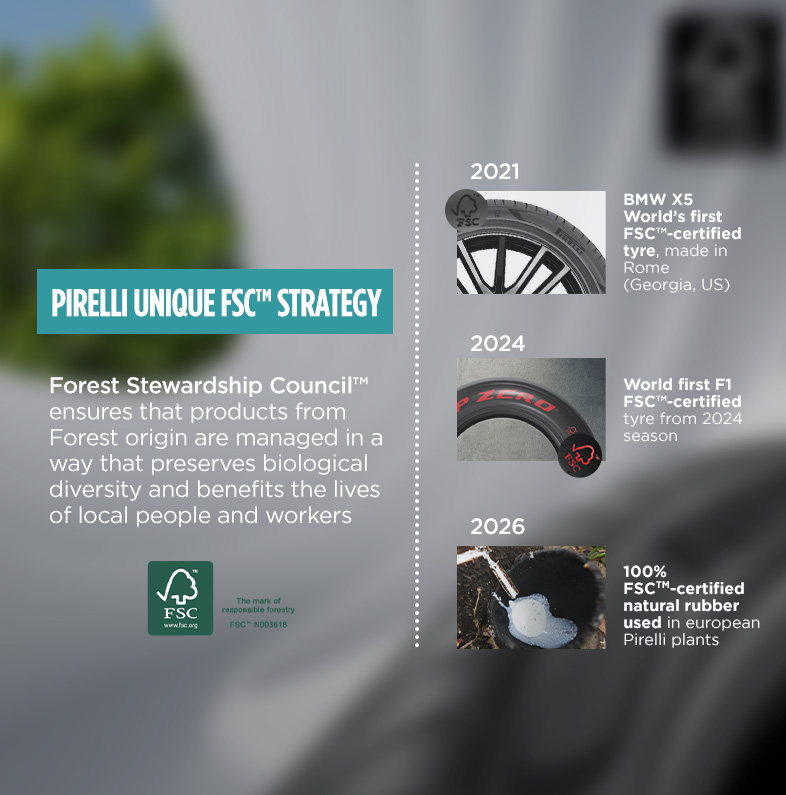
Pirelli’s natural rubber commitment is a key part of their sustainable development strategy. The company has launched a digital platform called “Per andare veloci bisogna sapere aspettare,” which aims to promote awareness about the importance of sustainable natural rubber production.
The Importance of Natural Rubber in Pirelli’s Business
Natural rubber is a crucial component in the production of tires, and Pirelli has made it a priority to ensure that their rubber is sourced sustainably. The company works closely with suppliers, farmers, and other stakeholders to promote responsible rubber production practices. Without natural rubber, the tire industry would not be able to produce high-quality tires that meet the demands of modern transportation.
The use of natural rubber also provides several benefits for Pirelli’s business, including:
- Improved tire performance: Natural rubber is known for its excellent elasticity and durability, which makes it ideal for use in tire production.
- Increased customer satisfaction: The use of natural rubber can improve the overall performance and safety of tires, leading to increased customer satisfaction.
- Competitive advantage: By prioritizing sustainable rubber production practices, Pirelli can differentiate itself from competitors and establish a reputation as a leader in sustainability.
The Sustainable Natural Rubber Policy
In 2017, Pirelli launched its Sustainable Natural Rubber Policy, which sets out the company’s commitment to sustainable rubber production. The policy focuses on reducing the environmental impact of rubber production, improving labor conditions, and promoting social responsibility.
The policy has several key elements, including:
- Source responsible natural rubber: Pirelli works closely with suppliers who adhere to responsible production practices.
- Promote sustainable agriculture: Pirelli promotes sustainable agriculture practices that can help reduce the environmental impact of rubber production.
- Improve labor conditions: The company works to improve labor conditions for workers in the rubber industry.
- Monitor and report progress: Pirelli regularly monitors its progress towards sustainability goals and reports on its results.
The Role of People and the Environment in Sustainability
Sustainability is at the heart of Pirelli’s business strategy. The company believes that people and the environment are interdependent and must be protected together. As such, Pirelli has implemented measures to reduce its environmental footprint, improve labor conditions, and promote social responsibility.
The company recognizes that sustainability is not just a moral imperative, but also a sound business strategy. By prioritizing sustainability, Pirelli can:
- Reduce costs: Sustainable practices can help reduce costs associated with waste, pollution, and other negative impacts.
- Improve brand reputation: The use of sustainable practices can improve the company’s brand reputation and increase customer loyalty.
- Increase competitiveness: By prioritizing sustainability, Pirelli can differentiate itself from competitors and establish a leadership position in its industry.
The Impact of Climate Change on Rubber Production
Climate change is having a significant impact on rubber production, with rising temperatures and changing weather patterns affecting crop yields and quality. The increased frequency and severity of extreme weather events are also putting pressure on the global rubber supply chain.
To mitigate these impacts, Pirelli is working closely with farmers and suppliers to develop climate-resilient agriculture practices that can help reduce the effects of climate change on rubber production. This includes:
- Climate-resilient crop varieties: The company is working with farmers to develop and distribute climate-resilient crop varieties.
- Conservation tillage: The use of conservation tillage can help reduce soil erosion and improve water retention, reducing the impacts of droughts and floods.
- Agroforestry: Pirelli is promoting agroforestry practices that can help maintain forest cover and promote biodiversity.
Pirelli’s Commitment to Sustainable Rubber
Pirelli has made a commitment to source 100% sustainable natural rubber by 2025. The company is working closely with suppliers, farmers, and other stakeholders to promote responsible rubber production practices and reduce its environmental impact.
To achieve this goal, Pirelli will:
- Source certified sustainably produced rubber: The company will only source rubber that has been certified as sustainably produced.
- Improve supply chain transparency: Pirelli will improve transparency in its supply chain to identify areas for improvement.
- Support sustainable agriculture practices: The company will support and promote sustainable agriculture practices among farmers.
Key Partnerships and Collaborations
Pirelli has partnered with several organizations to promote sustainability in the rubber industry. These partnerships include collaborations with NGOs, government agencies, and other companies to develop new technologies and practices that can help reduce the environmental impact of rubber production.
Some examples of key partnerships and collaborations include:
- Collaboration with NGOs: Pirelli has collaborated with NGOs such as the World Wildlife Fund (WWF) to promote sustainable agriculture practices.
- Government agency partnerships: The company has partnered with government agencies to develop policies and regulations that support sustainable rubber production.
- Industry-wide collaboration: Pirelli is working with other companies in the industry to share best practices and develop new technologies.
The Role of Technology in Sustainability
Technology plays a critical role in Pirelli’s sustainability efforts. The company is investing heavily in research and development to develop new technologies that can help reduce its environmental footprint and improve labor conditions.
Some examples of technology used by Pirelli include:
- Digital platforms: Pirelli has developed digital platforms such as “Per andare veloci bisogna sapere aspettare” to promote awareness about sustainable natural rubber production.
- Data analytics: The company is using data analytics to monitor its sustainability performance and identify areas for improvement.
- Renewable energy: Pirelli is investing in renewable energy sources such as solar and wind power to reduce its dependence on fossil fuels.
Sustainability Goals and Objectives
Pirelli has set several sustainability goals and objectives, including reducing greenhouse gas emissions by 50% by 2025, improving energy efficiency by 20% by 2025, and increasing the use of renewable energy to 30% by 2025.
To achieve these goals, Pirelli will:
- Reduce energy consumption: The company will reduce its energy consumption through the implementation of energy-efficient technologies.
- Promote sustainable transportation: Pirelli is promoting sustainable transportation options such as electric vehicles and public transport.
- Increase renewable energy production: The company will increase its use of renewable energy sources to meet its targets.
Conclusion
Pirelli’s commitment to sustainable natural rubber production is a key part of their business strategy. The company is working closely with suppliers, farmers, and other stakeholders to promote responsible rubber production practices and reduce its environmental impact.
By prioritizing sustainability, Pirelli can:
- Reduce costs: Sustainable practices can help reduce costs associated with waste, pollution, and other negative impacts.
- Improve brand reputation: The use of sustainable practices can improve the company’s brand reputation and increase customer loyalty.
- Increase competitiveness: By prioritizing sustainability, Pirelli can differentiate itself from competitors and establish a leadership position in its industry.
Pirelli’s commitment to sustainability is just one example of how companies can prioritize environmental responsibility while also driving business success.


