
Introduction
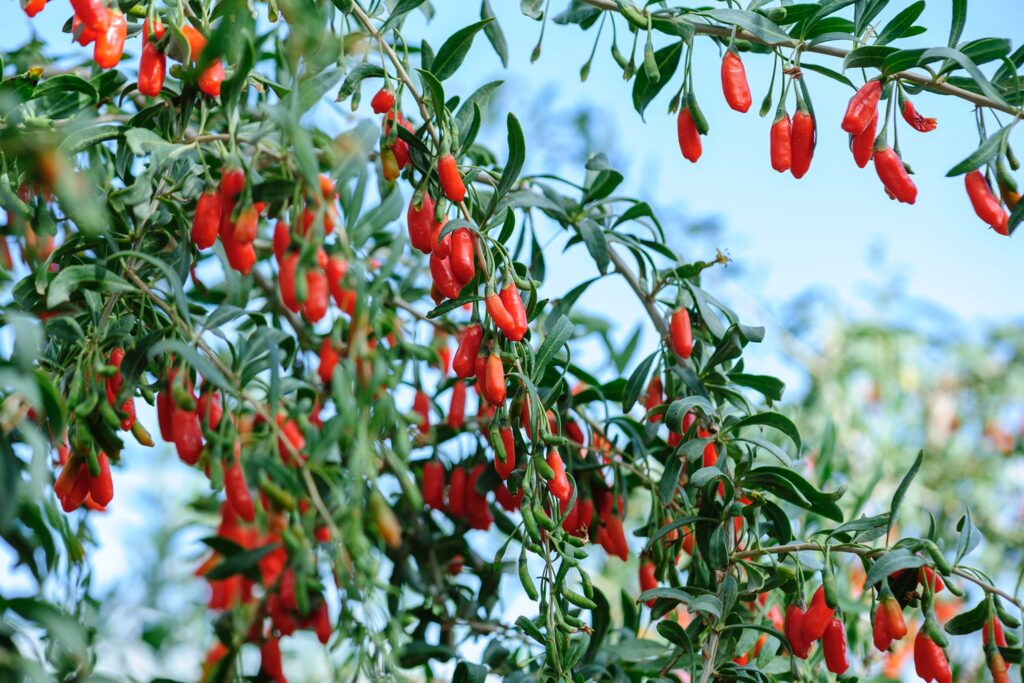
Goji berries have become increasingly popular in recent years due to their numerous health benefits and versatility in cooking. Native to Mongolia, these deciduous shrubs belong to the same family as tomatoes, peppers, potatoes, and eggplants. In this article, we will delve into the world of goji berry cultivation, exploring its history, properties, nutritional content, and how to grow them.
Properties of Goji Berries
Goji berries are considered a cornerstone of traditional Chinese medicine, playing a vital role in Asian cuisine. Rich in antioxidants, they have become a sought-after ingredient in Italian cuisine, particularly among those looking to combat cellular aging. These small fruits possess multiple functions within the body:
- They provide an energy boost
- Activate metabolism
- Serve as a rich source of antioxidants and micronutrients
Nutritional Content
A 100-gram serving of goji berries contains:
- Total fat: 5.7g
- Saturated fat: 1.1g
- Protein: 10.6g
- Carbohydrates: 21g
- Sugars: 17.3g
- Sodium: 24mg
- Calcium: 112.5mg
- Iron: 8.4mg
- Raw fiber: 7.7g
- Vitamin C: 306mg
- Carotene: 7.38mg
- Amino acids: 8.48mg
- Vitamin B1: 0.15mg
- Polysaccharides: 46.5mg
Growing Goji Berries
Goji plants thrive in temperate climates and can reach up to 2-3 meters in height. They are climbing plants, requiring a support system or training along a trellis to grow.
- Climate: Goji berries can be grown in Italy, particularly in the spring season.
- Propagation: Goji berries can be propagated using seeds or cuttings.
- Cultivation Cycle: The cultivation cycle of goji berries involves several stages, including planting, pruning, and harvesting.
- Pruning: Prune your goji plant in November to January to promote healthy growth.
Propagation Methods
Goji berries can be grown from seed or cutting. Here are some methods:
- Seed Propagation: Goji berry seeds can be sown indoors in a pot filled with well-draining soil. The seeds should be covered and kept warm until germination.
- Cuttings: Cut off a small branch from the mother plant, removing any leaves below the cutting point. Dip the cut end into rooting hormone and insert it into a moistened pot filled with a well-draining medium. Keep in place.
Cultivation Cycle
The cultivation cycle of goji berries involves several stages:
- Planting: Plant the seed or cutting in November.
- Pruning: Prune your goji plant in January to promote healthy growth.
- Harvesting: Harvest the goji berries when they are bright red and slightly soft.
Additional Information
For those interested in starting their goji berry cultivation journey, here are some key points to consider:
- Seeds or Cuttings: Goji berries can be purchased as seeds or cuttings from online suppliers.
- Support System: A support system is necessary for climbing plants like goji berries.
Common Problems
Goji plants may experience a variety of problems, including pests and diseases. Here are some common issues:
- Pests: Goji plants can be affected by various pests such as aphids, whiteflies, and spider mites.
- Diseases: Goji plants may be susceptible to various diseases such as root rot, leaf spot, and powdery mildew.
Pest Control Methods
To manage pest problems, use the following methods:
- Physical Removal: Remove any pests from the plant using a small brush or other tool.
- Insecticides: Use insecticides specifically designed for goji berry cultivation to control pest populations.
- Biological Controls: Use natural predators such as beneficial insects and nematodes to control pest populations.
Disease Control Methods
To manage disease problems, use the following methods:
- Sanitation: Remove any diseased or infected plant parts from the garden.
- Fungicides: Use fungicides specifically designed for goji berry cultivation to control fungal diseases.
- Pruning: Prune your goji plant regularly to prevent disease spread.
Conclusion
Growing goji berries requires careful planning and attention to detail. By understanding the properties, nutritional content, cultivation requirements, propagation methods, and common problems associated with these plants, you’ll be well on your way to enjoying their numerous health benefits and versatility in cooking.


