
Introduction
In the vast and rugged terrain of Asia’s central mountain ranges, a majestic cat roams, shrouded in mystery and danger. The snow leopard, Panthera uncia Schreber, is a large feline with origins in Asia, but it is facing an existential threat to its very existence. In this article, we will delve into the world of this elusive creature, exploring its unique characteristics, habitats, behavior, diet, conservation efforts, and the challenges that lie ahead.
Physical Characteristics
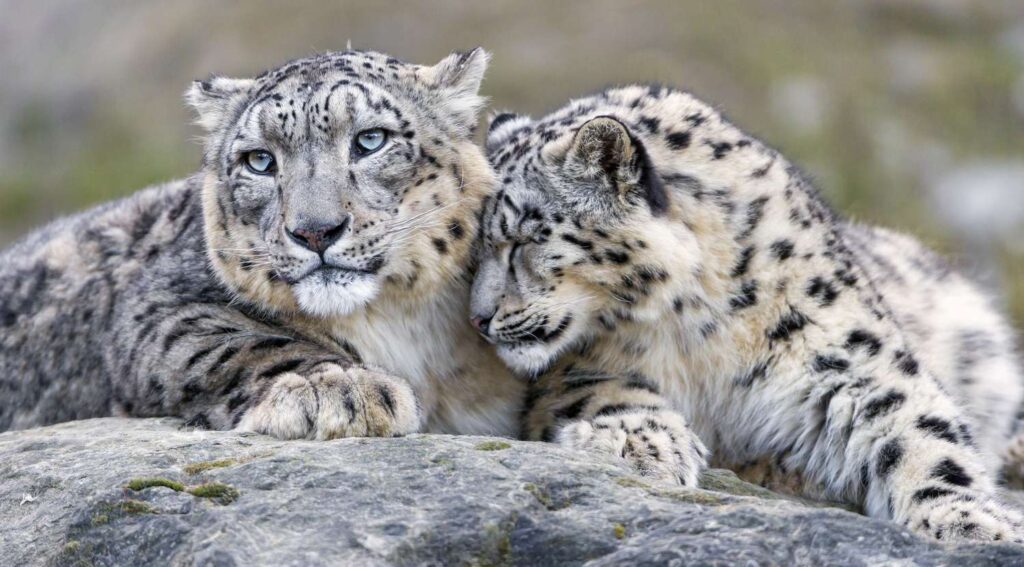
The snow leopard’s size can vary significantly across different regions, with males weighing between 27 kg and 75 kg (60-165 lbs) and females weighing up to 25 kg (55 lbs). Its coat length and coloration are also diverse, ranging from gray-fawn to yellow-brown, with distinctive black spots on its body. Its most striking feature, however, is its unusual eye color, which can be either green or gray.
Habitat
Snow leopards inhabit the mountainous regions of Asia, including parts of Bhutan, China, India, Kazakhstan, Kyrgyzstan, Nepal, Pakistan, Russia, Tajikistan, and Uzbekistan. They thrive in high-altitude zones, above 3,350 meters (11,000 feet), where they can be found in valleys and plateaus.
Adaptations
The snow leopard’s body is specially adapted to withstand the harsh, cold climate of its habitat. Its stocky build, thick fur, and small ears help minimize heat loss. Its large paws are ideal for gripping steep terrain, while its short, broad skull allows it to efficiently absorb oxygen at high altitudes.
Behavior
Snow leopards are solitary animals, primarily active during dawn and dusk. They are expert hunters, using stealth and agility to stalk their prey, which includes small mammals, birds, and domesticated livestock. Their hunting style involves ambushing their victims from above, followed by a swift kill.
Diet
In addition to meat, snow leopards have been known to consume plants, including grasses, shrubs, and berries. This unusual dietary behavior is likely an adaptation to the scarcity of prey in certain regions.
Conservation Status
The snow leopard has been listed as Critically Endangered on the IUCN Red List since 1972. The exact number of individuals remaining in the wild is difficult to determine, but estimates suggest that there are fewer than 7,500 individuals left. In addition to in-situ conservation efforts, many snow leopards are also kept in zoos, where they help raise awareness about this majestic creature.
Protected Areas
There are several protected areas in Asia where snow leopards can be found in the wild. Some notable examples include:
- Nanda Devi National Park, India: A UNESCO World Heritage Site and home to a diverse range of flora and fauna.
- Valley of Flowers National Park, India: Another UNESCO World Heritage Site, featuring stunning alpine landscapes and rare species.
- Sagarmatha National Park, Nepal: A protected area that includes Mount Everest, the highest peak in the world.
- Gobi Gurvansaikhan National Park, Mongolia: A vast, remote region teeming with wildlife.
Challenges
Despite conservation efforts, snow leopards continue to face numerous threats, including:
- Habitat fragmentation and degradation
- Human-wildlife conflict
- Poaching and trade
Addressing these challenges will require a concerted effort from governments, local communities, and international organizations.
Conservation Efforts
Several initiatives have been launched to protect the snow leopard and its habitat. These include:
- Snow Leopard Conservation Program: A collaborative effort between the International Union for Conservation of Nature (IUCN), the World Wildlife Fund (WWF), and other organizations to conserve snow leopards and their habitats.
- Protected Area Network: A network of protected areas in Asia that provide a safe haven for snow leopards and other wildlife.
- Community-based Conservation: Initiatives that engage local communities in snow leopard conservation, such as ecotourism and sustainable livestock management.
Challenges Ahead
Despite these efforts, many challenges remain ahead, including:
- Habitat loss and fragmentation: The ongoing destruction of habitats due to infrastructure development, agriculture, and urbanization.
- Human-wildlife conflict: Encounters between snow leopards and humans that can lead to conflict and even death for both parties.
- Poaching and trade: The illegal hunting and trading of snow leopards and their parts, such as skins and bones.
Conclusion
The snow leopard is an awe-inspiring creature, with its majestic appearance and impressive adaptations. However, it is facing an existential threat due to habitat loss, human-wildlife conflict, poaching, and other factors. Conservation efforts are underway to protect this magnificent species, but more needs to be done to ensure the long-term survival of the snow leopard.
Frequently Asked Questions (FAQs)
- What is the average weight of a male snow leopard?
- The average weight of a male snow leopard can range from 27 kg to 75 kg (60-165 lbs).
- Where do snow leopards typically live?
- Snow leopards inhabit the mountainous regions of Asia, including parts of Bhutan, China, India, Kazakhstan, Kyrgyzstan, Nepal, Pakistan, Russia, Tajikistan, and Uzbekistan.
- What is unique about a snow leopard’s eye color?
- A snow leopard can have either green or gray eyes, which is unusual among felines.
- How do snow leopards adapt to high altitudes?
- Snow leopards have stocky bodies, thick fur, and small ears that help minimize heat loss, as well as large paws that allow them to grip steep terrain.
- What is the primary source of food for snow leopards?
- Snow leopards primarily feed on small mammals, birds, and domesticated livestock.
- Why are snow leopards listed as Critically Endangered?
- Snow leopards have been listed as Critically Endangered since 1972 due to habitat loss, human-wildlife conflict, poaching, and other factors.
By addressing these challenges and continuing conservation efforts, we can help ensure the long-term survival of this magnificent species.


