
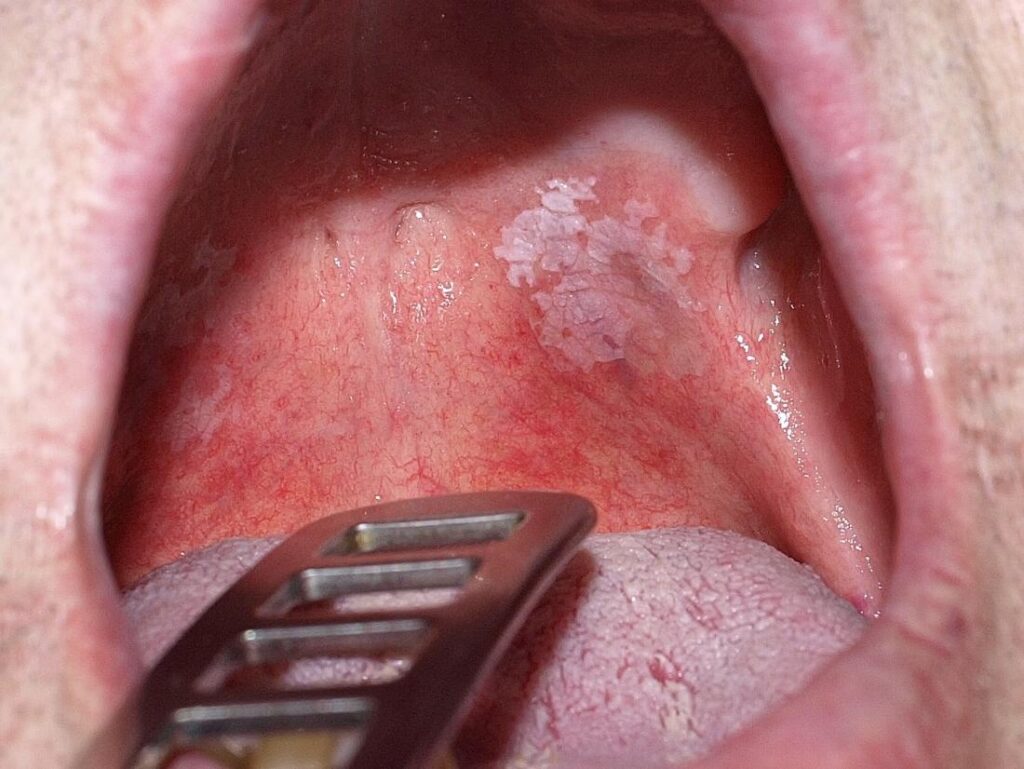
As we go about our daily lives, it’s easy to overlook a minor annoyance that might be hiding in plain sight – mouth sores. These small, often white or red lesions on the inside of your cheeks, gums, or tongue can be frustrating and even painful. But what exactly are they, and how can you get rid of them?
What Are Mouth Sores?
Mouth sores, also known as aphthous ulcers, can appear anywhere in the mouth, including the lips, cheeks, and tongue. They may change color from white to red, yellow, or gray, and can be swollen. Depending on their size and location, they can cause varying degrees of discomfort.
Causes of Mouth Sores
While mouth sores are usually harmless, there are several potential causes that can contribute to their development. Some possible triggers include:
- A blow to the mouth from an accident or a sports injury
- Poorly fitting dentures or other oral appliances
- Hormonal changes – especially during menstruation
- Consuming certain foods or drinks, such as spicy, acidic, or high-sugar items like chocolate, coffee, nuts, strawberries, cheese, tomatoes, and wheat flour
- Using a toothpaste containing sodium lauryl sulfate
- Quitting smoking
In some cases, mouth sores may appear without any apparent reason. This can be due to genetic factors, affecting about 40% of people who experience recurring mouth sores.
Home Remedies for Mouth Sores
Fortunately, there are several remedies you can try at home to alleviate the discomfort and speed up the healing process:
- Saltwater Gargle: Mix 2 teaspoons of salt with 8 ounces of warm water and gargle several times a day.
- Bicarbonate Paste: Mix 1 teaspoon of baking soda with a small amount of water to create a paste, and apply it directly to the sore area.
- Mint Gum: Chewing sugar-free gum containing mint can help numb the pain and reduce inflammation.
- Sedano and Basil: Masticating a piece of sedano (or fennel) with some basil leaves may provide soothing properties.
Preventing Mouth Sores
While it’s impossible to completely eliminate the risk of mouth sores, there are steps you can take to minimize their occurrence:
- Avoid chewing gum or eating hard candies
- Use a soft-bristled toothbrush and gentle toothpaste
- Opt for sugar-free and low-acid foods
- Quit smoking and limit caffeine consumption
Signs of Complicated Mouth Sores
While most mouth sores are harmless, there are some warning signs that may indicate the need for medical attention:
- Duration: Soreness lasting three weeks or more
- Recurrence: Frequent episodes of mouth sores
- Pain: Increased pain or discomfort that interferes with daily activities
- Infection: Swelling, redness, or pus around the sore area
Conclusion
Mouth sores are relatively common and usually harmless, but it’s essential to address them if they persist or cause significant discomfort. By understanding their causes, trying home remedies, and taking preventive measures, you can alleviate symptoms and promote healing.
If you experience persistent or severe mouth sores, consult with your dentist or healthcare provider for personalized advice and treatment.
Frequently Asked Questions
- Q: Can I treat mouth sores at home?
A: Yes, there are several remedies available that can help alleviate symptoms and speed up the healing process. However, if you experience persistent or severe soreness, consult with your dentist or healthcare provider. - Q: Are mouth sores contagious?
A: Generally, no. Mouth sores are not spread from person to person through contact. - Q: Can I prevent mouth sores by avoiding certain foods and drinks?
A: Yes, limiting consumption of spicy, acidic, or high-sugar items may help reduce the risk of developing mouth sores. - Q: Can mouth sores be a sign of an underlying health issue?
A: In some cases, yes. Mouth sores can be a symptom of a more serious condition, such as inflammatory bowel disease or autoimmune disorders. If you experience persistent or recurring mouth sores, consult with your dentist or healthcare provider to rule out any underlying conditions.
Note that while this article is intended for informational purposes only, it’s always best to consult with a qualified medical professional for personalized advice and treatment.
Additional Tips
- Keep your mouth moist by drinking plenty of water
- Avoid eating hot foods or drinks before bedtime
- Use a soft-bristled toothbrush to gently clean the area around the sore
- Consider taking supplements such as vitamin B12, iron, or folic acid to address potential nutritional deficiencies
By following these tips and staying informed about mouth sores, you can take proactive steps to prevent them from occurring in the first place. If you do experience a mouth sore, don’t hesitate to reach out for advice and treatment from your dentist or healthcare provider.


