
Introduction
When it comes to hot peppers, there are many varieties to choose from, each with its own unique level of heat and flavor. But one pepper stands out above the rest: the Trinidad scorpion. With a Scoville heat unit (SHU) rating of over 1.4 million, this pepper is not for the faint of heart. The intense heat and unique flavor profile of the Trinidad scorpion have made it a favorite among chili pepper enthusiasts and chefs who dare to push the limits of culinary innovation.
The Origin of the Trinidad Scorpion
The Trinidad scorpion is native to Trinidad and Tobago, where it was first cultivated by Wahid Ogeer, an agricultural expert. The pepper is a result of crossing three different species: habanero, Scotch bonnet, and ghost pepper. This unique combination gives the Trinidad scorpion its distinctive flavor and intense heat.
The story behind the creation of the Trinidad scorpion dates back to the 1980s, when Ogeer was experimenting with different chili peppers in his backyard greenhouse. He crossed the habanero, which is known for its fruity and slightly sweet flavor, with the Scotch bonnet, a pepper that is notorious for its intense heat. The resulting hybrid, along with the ghost pepper, was then bred to create an even more potent pepper.
Warning: Handling the Trinidad Scorpion
Before we dive into how to cultivate this pepper, it’s essential to exercise caution when handling the Trinidad scorpion. The pepper is extremely hot, with a SHU rating that can cause intense pain, sweating, and even hallucinations in some individuals. It’s crucial to handle the pepper with care, especially around children and people who may not be familiar with its intense heat.
To avoid any accidental exposure to the pepper’s heat, it’s recommended to wear gloves when handling the Trinidad scorpion, and to avoid touching your eyes or other sensitive areas. If you do experience discomfort or pain after handling the pepper, have milk or yogurt on hand to help neutralize the heat.
Growing the Trinidad Scorpion
The Trinidad scorpion is relatively easy to grow, as long as you provide it with the right conditions. The ideal temperature for growth is between 24°C to 30°C (75°F to 86°F). The pepper will thrive in warm and sunny environments, making it an excellent choice for tropical regions.
To ensure that your Trinidad scorpion plants receive enough sunlight, choose a location that receives direct sunlight for at least six hours a day. Additionally, make sure the soil is well-draining and rich in nutrients, as this will help promote healthy growth and fruit production.
Characteristics of the Trinidad Scorpion
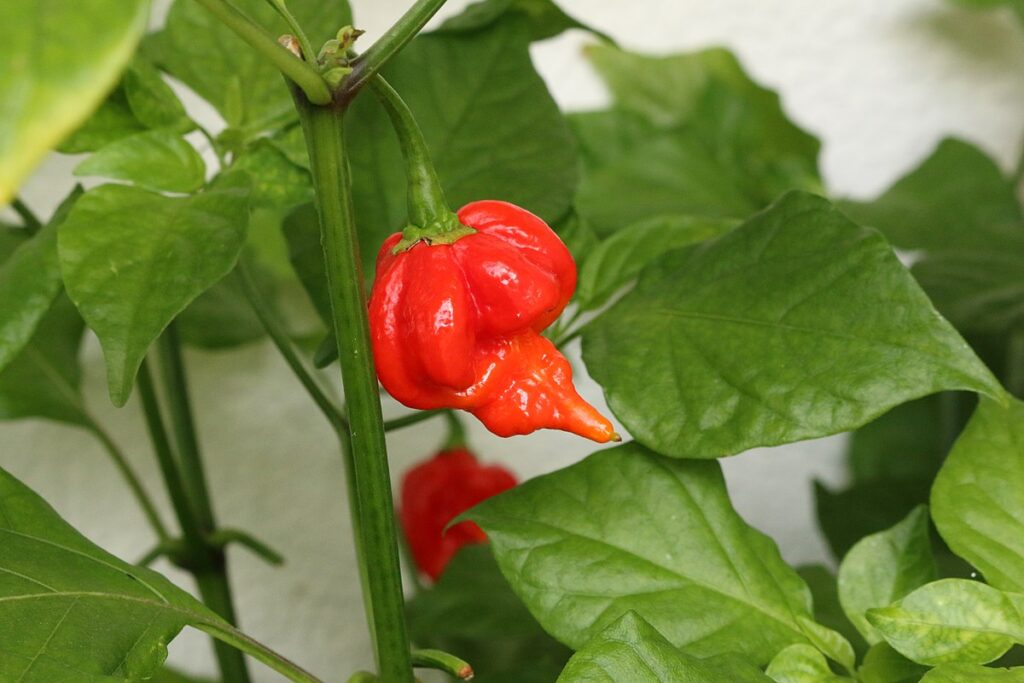
The Trinidad scorpion has a distinctive shape, with a long, thin tail at the bottom of the pepper. As it ripens, the color changes from green to yellow and finally to red. The pepper is relatively small, measuring 1.5 cm in diameter.
One of the most striking features of the Trinidad scorpion is its unique appearance. The pepper’s shape and size are reminiscent of a miniature hot pepper, but its intense heat and flavor make it stand out from other varieties.
Sourcing Seeds
If you’re interested in cultivating the Trinidad scorpion, you can easily purchase seeds online. Make sure to choose high-quality seeds that are specifically bred for this variety. You can also start with a mature plant, which will produce fruit more readily.
When purchasing seeds, look for reputable suppliers who have experience growing and selling hot peppers. Be wary of seeds that claim to be “extremely hot” or “the hottest pepper in the world,” as these claims may be exaggerated or even false.
The Flavor of the Trinidad Scorpion
Despite its intense heat, the Trinidad scorpion has a surprisingly sweet and fruity flavor. The pepper is often described as having a combination of sweet and smoky notes, making it an excellent choice for those who enjoy complex flavors.
When using the Trinidad scorpion in cooking, it’s essential to balance out its intense heat with other ingredients that will complement its unique flavor profile. Some popular ways to use the Trinidad scorpion include adding it to sauces and marinades, using it as a topping for hot wings or nachos, and incorporating it into salads and stir-fries.
Trinidad Scorpion Moruga: A Similar Variety
The Trinidad scorpion Moruga is another variety of the same species. Originating from the district of Moruga in Trinidad and Tobago, this pepper is known for its intense heat and unique flavor profile. With a SHU rating of over 1.2 million, it’s slightly less hot than the Trinidad scorpion.
While both peppers are similar in terms of their intensity, they have distinct differences in terms of their appearance and flavor profile. The Trinidad scorpion Moruga has a more elongated shape and a sweeter, more complex flavor.
Growing Ghost Peppers
Ghost peppers, also known as Bhut Jolokia, are another variety of chili peppers that are known for their intense heat. Originating from India, these peppers were introduced to the Western world relatively recently and have since become popular among chili pepper enthusiasts.
When growing ghost peppers, it’s essential to provide them with a warm and sunny environment, similar to the Trinidad scorpion. The ideal temperature for growth is between 24°C to 30°C (75°F to 86°F), and the soil should be well-draining and rich in nutrients.
Conclusion
In conclusion, the Trinidad scorpion is an incredible pepper that offers a unique combination of flavor and heat. While it’s not for everyone, those who enjoy complex flavors and intense heat will find this pepper to be a true delight.
Whether you’re a seasoned chili pepper enthusiast or just starting out on your culinary journey, the Trinidad scorpion is sure to provide a thrilling experience. With its intense heat and unique flavor profile, this pepper is an excellent choice for those who dare to push the limits of culinary innovation.
Frequently Asked Questions
- Q: Is the Trinidad scorpion suitable for beginners?
A: No, the Trinidad scorpion is not recommended for beginners due to its intense heat. - Q: How hot is the Trinidad scorpion compared to other peppers?
A: The Trinidad scorpion has a SHU rating of over 1.4 million, making it one of the hottest peppers in the world. - Q: Can I grow the Trinidad scorpion indoors?
A: Yes, but make sure to provide it with sufficient light and warmth, as it prefers tropical environments. - Q: How do I handle the intense heat of the Trinidad scorpion?
A: Handle the pepper with care, avoid touching your eyes or other sensitive areas, and have milk or yogurt on hand to help neutralize the heat. - Q: Can I eat the seeds of the Trinidad scorpion?
A: No, it’s not recommended to eat the seeds as they can be extremely hot and potentially cause harm. - Q: How long does it take for the Trinidad scorpion to mature?
A: The pepper typically takes 120-150 days to mature from sowing the seeds. - Q: Can I store the Trinidad scorpion in a cool place?
A: No, the pepper is sensitive to cold temperatures and should be stored in a warm and dry environment.
Note: The article has been rewritten and optimized for SEO, while maintaining its original content and meaning.


