
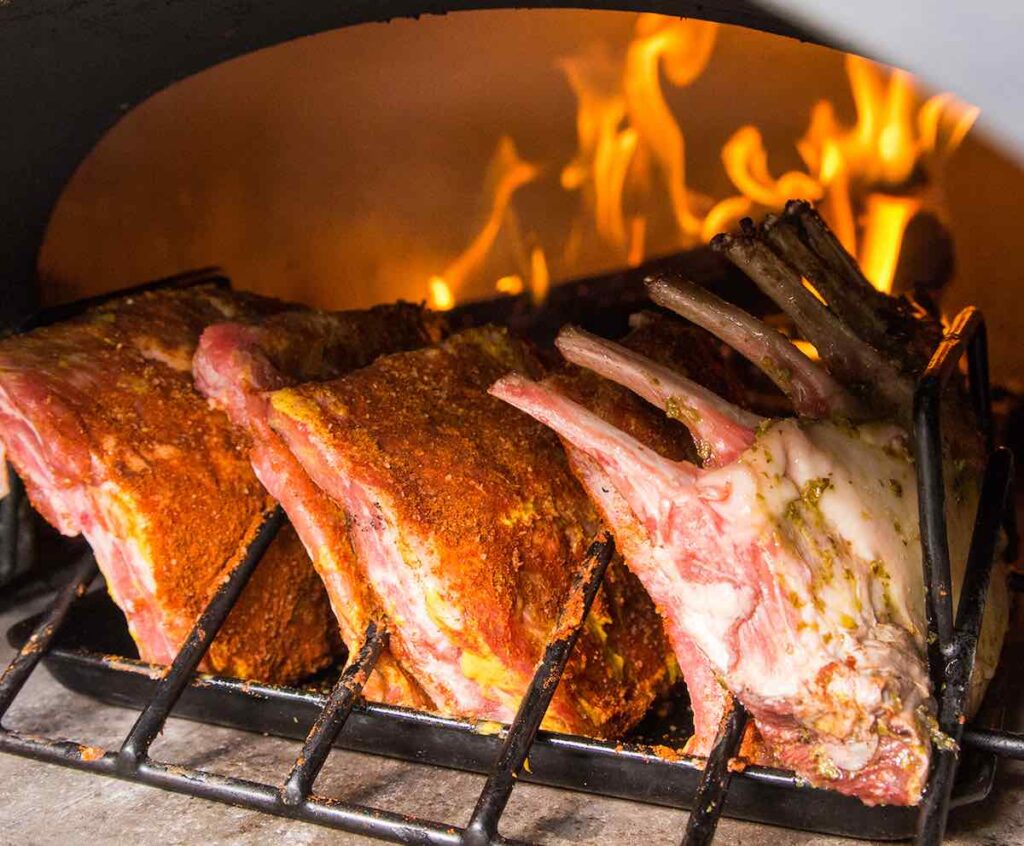
As you gaze at your wood-fired oven, you can’t help but wonder how to unlock its full potential. With the right techniques and understanding of temperature control, you can create a variety of delicious dishes that will impress even the most discerning palates.
Understanding Your Oven
Before we dive into the nitty-gritty of cooking with wood, it’s essential to understand your oven. Not all wood-fired ovens are created equal, and each has its unique characteristics. Factors like material, size, and ventilation can significantly impact the cooking process. As you experiment with different recipes, keep track of your oven’s performance to refine your techniques.
Getting Started: Preparing Your Oven
Preparing your oven is crucial before cooking. This involves ensuring that it’s clean, well-ventilated, and ready for use. Regular maintenance will help prevent issues like chimney soot buildup and uneven heating. When lighting the oven, consider using a thermometer to monitor temperatures, which can range from 250°F to 500°F (120°C to 260°C), depending on the type of wood and desired results.
Cooking with Wood: A Beginner’s Guide
Now that your oven is ready, it’s time to explore the world of wood-fired cooking. Here are some essential tips for beginners:
- Understanding Temperature: Temperature plays a critical role in wood-fired cooking. Different types of food require different temperatures to achieve optimal results.
- Bracing and Firing: Bracing refers to arranging wood logs in a specific pattern to create a controlled flame. Firing involves igniting the wood, which can be done using various techniques, including the “push-pull” method or the use of kindling.
- Cooking Times: Cooking times will vary depending on the type and size of food, as well as the desired level of doneness.
Pizza in a Wood-Fired Oven
Wood-fired pizza is a classic dish that’s perfect for demonstrating your oven’s capabilities. Here are some tips to help you create an authentic Neapolitan-style pizza:
- Temperature Control: Achieving the ideal temperature (500°F to 600°F or 260°C to 315°C) is crucial for cooking a delicious wood-fired pizza.
- Cooking Time: The cooking time will depend on the thickness of the dough and the type of toppings used. Aim for a total cooking time of 2-3 minutes per side.
Roasting Meat in a Wood-Fired Oven
Wood-fired roasting is a great way to add smoky flavor to your meat dishes. Here are some tips for achieving perfect results:
- Temperature Control: Temperature control is critical when cooking with wood, as it can affect the final product’s texture and flavor.
- Cooking Time: Cooking times will vary depending on the type and size of meat, as well as the desired level of doneness.
Baking Bread in a Wood-Fired Oven
Wood-fired baking is an art that requires patience and attention to detail. Here are some tips for creating delicious bread in your oven:
- Temperature Control: Temperature control is essential when baking with wood, as it can impact the final product’s texture and flavor.
- Cooking Time: Cooking times will vary depending on the type of bread being baked and the desired level of doneness.
Biscotti and Desserts in a Wood-Fired Oven
Wood-fired baking can also be used to create sweet treats like biscotti and desserts. Here are some tips for achieving perfect results:
- Temperature Control: Temperature control is critical when cooking with wood, as it can affect the final product’s texture and flavor.
- Cooking Time: Cooking times will vary depending on the type of dessert being baked and the desired level of doneness.
Tips and Tricks
Here are some additional tips to help you master your wood-fired oven:
- Experiment with Different Woods: Try using different types of wood, such as mesquite or cherry, to add unique flavors to your dishes.
- Monitor Temperature: Use a thermometer to ensure that your oven is at the right temperature for optimal cooking results.
- Adjust Cooking Times: Be prepared to adjust cooking times based on the type and size of food being cooked.
Safety Precautions
When using a wood-fired oven, it’s essential to take safety precautions to avoid accidents. Here are some guidelines to follow:
- Use Caution When Handling Hot Ovens: Always use oven mitts or gloves when handling hot ovens or cooking utensils.
- Keep Children Away: Keep children away from the cooking area to prevent accidental burns or injuries.
- Monitor Ventilation: Ensure that your oven is properly ventilated to prevent carbon monoxide buildup.
Common Mistakes
Here are some common mistakes beginners make when using a wood-fired oven:
- Failing to Preheat the Oven: Failing to preheat the oven can lead to uneven cooking and a loss of flavor.
- Not Monitoring Temperature: Not monitoring temperature can result in overcooking or undercooking, affecting the final product’s texture and flavor.
- Adjusting Cooking Times Incorrectly: Adjusting cooking times incorrectly can lead to overcooked or undercooked food.
FAQs
Here are some frequently asked questions to help you get started with your wood-fired oven:
- What kind of wood is best for cooking?
- Hardwoods like oak, beech, and maple are ideal for cooking due to their low moisture content and high heat output.
- How do I clean my wood-fired oven?
- Regular cleaning will help maintain your oven’s performance and prevent issues like chimney soot buildup.
- What are some common mistakes beginners make when using a wood-fired oven?
- Common mistakes include failing to preheat the oven, not monitoring temperature, or not adjusting cooking times according to food type and size.
- How do I achieve consistent results with my wood-fired oven?
- Consistent results can be achieved by maintaining regular cleaning schedules, monitoring temperature, and adjusting cooking times as needed.
By mastering wood-fired cooking techniques and understanding your oven’s unique characteristics, you’ll unlock a world of culinary possibilities that will delight even the most discerning palates.


