
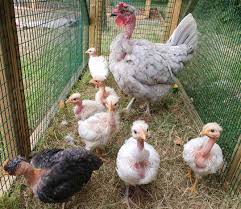
As a chicken enthusiast, you’re likely familiar with the various breeds that can be found on farms and in backyard flocks. However, few breeds are as unique and fascinating as the Naked Neck Chicken, originating from Eastern Europe. In this article, we’ll delve into the history, physical characteristics, and behavioral traits of this remarkable breed, exploring what makes it an excellent choice for chicken keepers.
The Origins of the Naked Neck Chicken
While its exact origin is still unclear, the Naked Neck Chicken has been a subject of interest for centuries. Some believe it originated from the Carpathian Mountains or St. Maurice Island, while others think it came from Sumatra. However, one thing is certain – naked-necked chickens were already recognized in the 19th century.
The breed was fixed in Romania and Germany, but its popularity spread throughout Europe after World War I. Unfortunately, the breed became rare in Italy after World War II due to limited breeding practices. In the 1970s, Italian Naked Neck Chickens emerged as a result of crossbreeding between Transylvanian Naked Necks and common Italian breeds.
Genetic Characteristics
One of the most distinctive features of the Naked Neck Chicken is its genetic mutation, which causes the absence of feathers on its neck. This recessive trait means both parents must carry the gene to pass it down to offspring. The breed’s ability to adapt to various environments, resistance to diseases, and high egg production are just a few reasons why they’re in high demand.
The Naked Neck Chicken’s genetic makeup is characterized by a unique combination of traits that set them apart from other breeds. Their DNA contains the gene responsible for featherlessness on their neck, which also influences their body feathers, comb shape, and overall appearance.
Morphology: A Distinctive Appearance
The Italian Naked Neck Chicken’s physical appearance sets it apart from other breeds. The most noticeable characteristic, of course, is its bare neck – a trait that makes up for the ruff of feathers on the front part of the neck. The remaining body feathers are abundant, smooth, and soft.
Their medium-high posture and robust, compact body make them easily recognizable. Legs of average length and color yellow complement their overall appearance, while large, lively eyes in dark brown add a touch of elegance.
The Naked Neck Chicken’s unique morphology is influenced by its genetic makeup and breeding history. Their bare neck, for example, allows for better airflow around the throat area, which can help prevent respiratory issues. Additionally, their robust body size and compact shape make them well-suited to small spaces and urban environments.
Color Variations: A Rainbow of Feathers
Naked-necked chickens can display an impressive range of feather colors, including white, black, red, golden, silver, and blue. Combinations of these colors are also allowed, adding to the breed’s visual appeal.
The recognized Transylvanian Naked Neck breed standard by FIAV allows for two color variations: black and white. However, other color varieties can be found in Italy and around the world, showcasing the incredible diversity within this breed.
Raising and Caring for Chickens: Ensuring a Healthy Environment
To successfully raise naked-necked chickens, it’s essential to provide them with a comfortable and secure environment. While they’re resistant to diseases and parasites, overcrowding conditions or extreme temperatures can cause stress.
Make sure you have enough space for your chickens, with at least 4 square meters per animal. Provide an area for cleaning, such as sandy or terraced ground, where they can bathe to remove dirt and parasites.
A balanced diet of grains, seeds, fruits, and vegetables will keep your naked-necked chickens healthy. Regularly check their health and behavior, consulting a veterinarian if you notice any signs of illness.
Nutrition and Health: A Balanced Approach
Naked-necked chickens are generally easy to feed, but it’s essential to provide them with fresh, clean water every day. Regular cleaning of the coop will help prevent disease transmission and parasite infestations among your chickens.
To maintain their health, regularly inspect their feathers for signs of wear and tear or parasites. A balanced diet and a clean living environment are crucial in ensuring the well-being of your Naked Neck Chicken flock.
Breeding and Reproduction: Understanding the Challenges
Breeding naked-necked chickens requires careful consideration due to their genetic makeup and unique characteristics. Both parents must carry the gene for featherlessness on their neck, making it essential to choose compatible breeding stock.
The breed’s reproductive cycle is characterized by a relatively long incubation period of around 21 days, with an average of 5-6 eggs per year. However, this can vary depending on factors such as nutrition, health, and living conditions.
Conclusion
The Naked Neck Chicken is an extraordinary breed that offers many benefits to chicken enthusiasts. Its unique genetic makeup, resistance to diseases, and high egg production make it an excellent choice for anyone looking to expand their flock.
As you learn more about this remarkable breed, remember the importance of providing a comfortable environment, balanced diet, and regular health checks. With proper care, your Naked Neck Chicken will thrive, producing eggs that are both delicious and nutritious.
Frequently Asked Questions
- What is the origin of the Naked Neck Chicken?
The exact origin of the Naked Neck Chicken is still unclear, but it’s believed to have originated from Eastern Europe. - How do I care for my Naked Neck Chickens?
To ensure a healthy environment, provide your chickens with enough space (at least 4 square meters per animal), clean living conditions, and a balanced diet. - What is the average egg weight of an Italian Naked Neck Chicken?
The minimum weight of an Italian Naked Neck Chicken’s eggs is 55 grams. - Can I crossbreed Naked Neck Chickens with other breeds?
While it’s possible to crossbreed Naked Neck Chickens with other breeds, be aware that this can affect their unique characteristics and traits. - How often should I clean the coop?
Regularly inspect your coop for signs of wear and tear or parasites, and clean it regularly to prevent disease transmission and parasite infestations. - Can Naked Neck Chickens adapt to different climates?
Yes, Naked Neck Chickens are resistant to diseases and can adapt to various environments, making them an excellent choice for chicken keepers in different regions. - What is the recommended diet for Naked Neck Chickens?
A balanced diet of grains, seeds, fruits, and vegetables will keep your Naked Neck Chickens healthy. - Can I raise Naked Neck Chickens if I’m a beginner?
Yes, Naked Neck Chickens are relatively easy to care for, making them an excellent choice for beginner chicken keepers.
Additional Resources
If you’re interested in learning more about the Naked Neck Chicken or expanding your flock, here are some additional resources to consider:
- The Federation of Italian Associations of Breeders (FIAV) provides detailed breed standards and guidelines for breeding Naked Neck Chickens.
- The American Poultry Association (APA) offers information on breed history, characteristics, and care requirements for Naked Neck Chickens.
- Local poultry associations and clubs can provide valuable insights and advice from experienced breeders and enthusiasts.
By understanding the unique characteristics of the Naked Neck Chicken, you’ll be better equipped to provide a happy and healthy environment for your flock. Whether you’re a seasoned chicken keeper or just starting out, this remarkable breed is sure to capture your heart with its fascinating features and captivating personality.


