
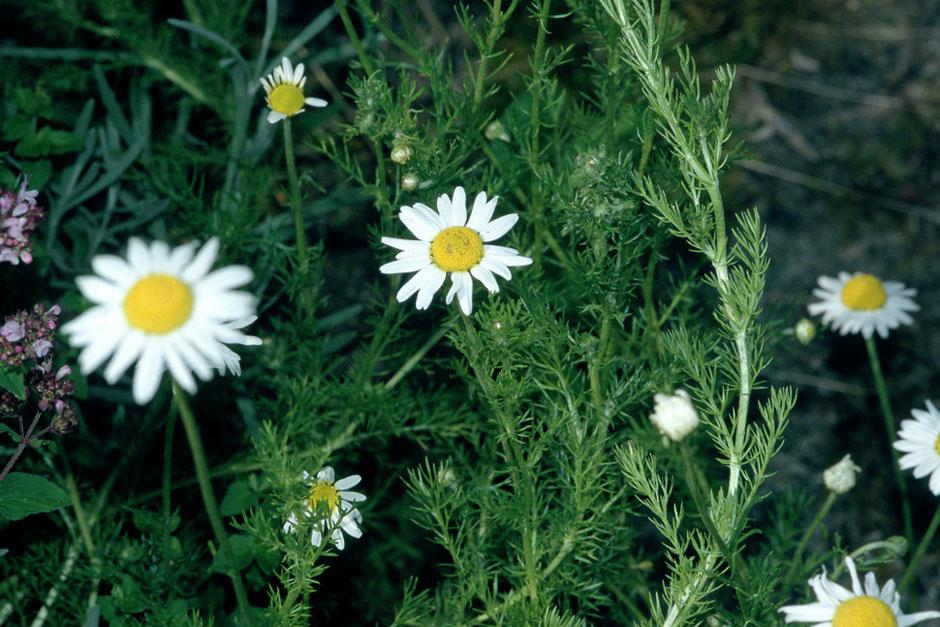
Growing Chamomile: A Comprehensive Guide to Cultivating this Beneficial Herb
Chamomile has been a staple in herbal remedies for centuries, offering numerous benefits for digestive issues, menstrual cramps, anxiety, and inflammation. This versatile herb can be grown in various settings, including orchards, gardens, or even on balconies in pots. In this article, we’ll delve into the world of chamomile cultivation, covering topics such as choosing the right variety, preparing the soil, sowing seeds, caring for your plants, harvesting and drying flowers, and using them in herbal remedies.
Choosing the Right Chamomile Variety
There are two main types of chamomile: common (Matricaria chamomilla) and Roman (Chamaemelum nobile). The common variety can still be found growing wild in various Italian locations, particularly in unproductive pastures. The Roman variety, on the other hand, is more challenging to find in its natural state.
The Roman variety is considered to have a higher antioxidant content and a sweeter flavor than the common variety. However, it also requires more care and attention when cultivating. In contrast, the common variety is easier to grow and maintain but may not offer the same level of benefits as the Roman variety.
The Benefits of Chamomile
Chamomile’s numerous benefits have made it a sought-after herb. Its flavonoids are responsible for its sedative properties, making it an excellent remedy for digestive issues, menstrual cramps, and anxiety. Additionally, chamomile has anti-inflammatory and antioxidant properties, solidifying its position as a natural calmant.
Chamomile is also known to have antimicrobial and antifungal properties, making it effective in treating wounds and skin conditions. Furthermore, chamomile tea has been shown to reduce stress levels, improve sleep quality, and alleviate symptoms of menopause.
Growing Chamomile: A Step-by-Step Guide
I. Preparing the Soil and Choosing the Right Time to Plant
Chamomile prefers well-exposed soil, but it also requires protection from strong winds and dryness. The ideal pH level for chamomile cultivation is slightly alkaline.
The Roman variety can be more challenging to cultivate due to its difficulty in growing wild. When choosing a spot for your chamomile plants, select areas with full sun and good air circulation.
II. Sowing the Seeds
For the common variety, sowing seeds directly into the soil or container is recommended. However, for the Roman variety, division of existing clumps is a more effective method of propagation.
Sowing Chamomile Seeds: Tips and Tricks
- The best time to sow chamomile seeds is from July to February.
- Sow the seeds on a light, loose surface, either directly into the soil or in a container.
- Water the seeds gently but thoroughly after sowing.
- Chamomile seeds require consistent moisture during germination.
- Plant the seeds at a depth of about 0.1-0.2 inches (2.5-5 mm).
- Keep the soil consistently moist during the first few weeks after planting.
III. Caring for Your Chamomile Plants
Chamomile requires minimal maintenance. However, regular watering and fertilization can promote healthy growth.
Caring for Your Chamomile Plants: Tips and Tricks
- Water your chamomile plants regularly, but avoid overwatering.
- Fertilize your chamomile plants with a balanced fertilizer once a month during the growing season.
- Prune your chamomile plants regularly to encourage bushy growth and prevent flowering.
IV. Harvesting and Drying Chamomile
Chamomile flowers can be harvested in late spring or early summer, depending on the variety.
Harvesting and Drying Chamomile: Tips and Tricks
- Choose fresh, fragrant flowers for optimal flavor.
- Cut the stems at an angle using scissors or pruning shears to promote even drying.
- Tie the stems together in small bunches and hang them upside down in a dry, well-ventilated area.
- Allow the flowers to air-dry completely before using them.
V. Using Chamomile in Herbal Remedies
Chamomile can be used to make a variety of herbal remedies, including teas, tinctures, and salves.
Using Chamomile in Herbal Remedies: Tips and Tricks
- Use fresh or dried chamomile flowers for optimal flavor.
- Combine chamomile with other herbs like peppermint or lemon balm for added benefits.
- Experiment with different extraction methods to find the one that works best for you.
Frequently Asked Questions
Q: What are the benefits of growing your own chamomile?
A: Growing your own chamomile allows you to harvest fresh flowers and leaves when needed, reducing reliance on commercial sources. It also provides a natural source of relaxation and stress relief.
Q: How often should I water my chamomile plants?
A: Chamomile requires consistent moisture during the growing season. Water your plants regularly, but avoid overwatering, which can lead to root rot and other issues.
Q: Can I use chamomile for medicinal purposes if I have allergies?
A: While chamomile is generally considered safe, individuals with allergies should exercise caution when using it medicinally. Always consult with a healthcare professional before using any new herbal remedy.
Q: How do I dry and store my chamomile flowers?
A: To dry your chamomile flowers, tie them together in small bunches and hang them upside down in a dry, well-ventilated area. Store the dried flowers in an airtight container to preserve their flavor and aroma.
Q: Can I grow chamomile indoors?
A: Yes, chamomile can be grown indoors in pots or containers. Choose a spot with good air circulation and indirect sunlight, and maintain consistent moisture levels during the growing season.
Q: How long does it take for my chamomile to bloom?
A: Chamomile typically blooms within 6-8 weeks of sowing seeds. However, this can vary depending on factors like climate, soil quality, and light exposure.
By following these steps and tips, you can successfully grow and use chamomile in a variety of herbal remedies. Whether you’re looking for natural relief from anxiety or digestive issues, chamomile is an excellent choice.
In conclusion, growing chamomile is a rewarding experience that offers numerous benefits for both your health and the environment. By understanding the different varieties, preparing the soil, sowing seeds, caring for plants, harvesting flowers, and using them in herbal remedies, you can cultivate this beneficial herb successfully.


