
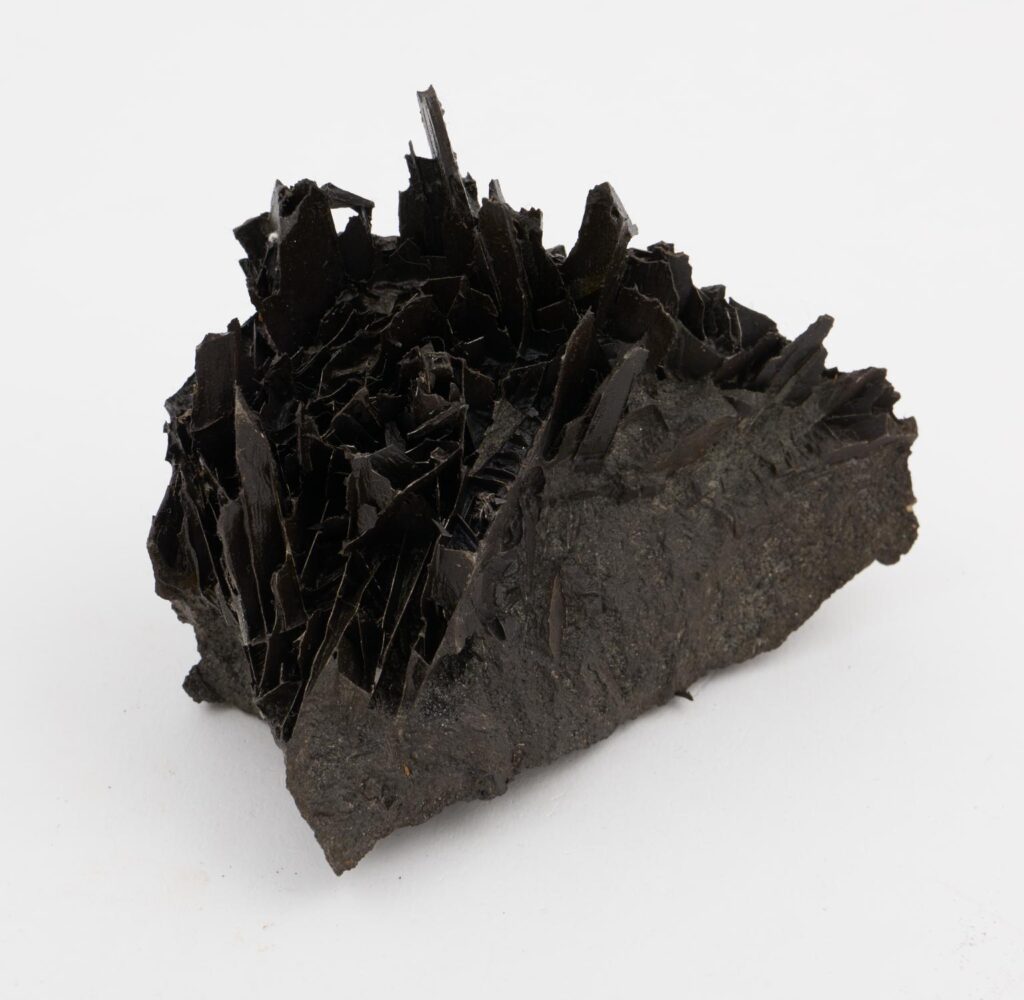
Cementite is a crucial material in various industries, including construction, woodworking, and art. Its versatility and unique properties make it an essential tool for many professionals. In this article, we will delve into the world of cementite, exploring its uses, benefits, and differences between various types.
What is Cementite?
Cementite is a type of iron carbide compound, composed of 93.3% iron and 6.67% carbon. It has been used for centuries in various applications, including steel production, construction, and art. In the context of woodworking and decorating, cementite serves as a medium to apply paint or varnish to wood surfaces.
History of Cementite
Cementite has been used for thousands of years, with evidence of its use dating back to ancient civilizations such as the Egyptians and Greeks. It was also used extensively in medieval Europe for construction and art purposes. In the modern era, cementite continues to be an essential material in various industries.
Uses of Cementite
Cementite is used in several ways:
- Woodworking: To create a smooth surface for painting or varnishing
- Construction: As a component of cement-based materials for flooring and wall coverings
- Art: For creating decorative finishes and textures
Benefits of Using Cementite
Cementite offers several benefits when used correctly:
- Provides a smooth, even surface for paint or varnish application
- Helps to prevent wood from absorbing paint or varnish
- Can be used on various types of wood surfaces
- Durable and long-lasting finish
Choosing the Right Type of Cementite
There are two main types of cementite: water-based and solvent-based. Each type has its own set of benefits and drawbacks.
- Water-Based Cementite: Releases VOCs (volatile organic compounds) and other harmful substances, but at a lower rate than solvent-based cementite
- Solvent-Based Cementite: Releases more VOCs and is more difficult to clean up
Tips for Using Cementite
When working with cementite, keep the following tips in mind:
- Always use protective gear when applying cementite to prevent skin irritation and other health risks
- Clean your tools thoroughly after each use to avoid contamination
- Follow the manufacturer’s instructions for application and drying times
Types of Cementite
There are several types of cementite available, including:
- Hard Cementite: A high-strength type of cementite used in construction and art purposes.
- Soft Cementite: A lower-strength type of cementite used in woodworking and decorating.
Benefits of Different Types of Cementite
Each type of cementite has its own set of benefits, including:
- Hard Cementite: Provides a smooth, even surface for paint or varnish application, durable and long-lasting finish.
- Soft Cementite: Easier to apply and dries faster than hard cementite.
Conclusion
Cementite is a versatile material with various applications in construction, woodworking, and art. By understanding its benefits, choosing the right type, and following proper usage guidelines, you can unlock its full potential. Whether you’re working on a large-scale project or a small decorative piece, cementite is an essential tool to have in your toolkit.
FAQs
- What is cementite?
- Cementite is a type of iron carbide compound composed of 93.3% iron and 6.67% carbon.
- What are the benefits of using cementite?
- Provides a smooth, even surface for paint or varnish application
- Helps to prevent wood from absorbing paint or varnish
- Can be used on various types of wood surfaces
- What is the difference between water-based and solvent-based cementite?
- Water-based cementite releases VOCs at a lower rate than solvent-based cementite.
- Solvent-based cementite is more difficult to clean up and releases more VOCs.
- How do I choose the right type of cementite for my project?
- Consider factors such as budget, environmental concerns, and specific requirements for your project.
- What safety precautions should I take when working with cementite?
- Wear protective gear to prevent skin irritation and other health risks
- Clean tools thoroughly after each use to avoid contamination
- How do I apply cementite correctly?
- Follow the manufacturer’s instructions for application and drying times
- Use a brush or roller with the recommended type of bristles for optimal results
- Can I mix different types of cementite together?
- It is not recommended to mix water-based and solvent-based cementite, as it can create an unstable mixture.
- How long does cementite take to dry?
- Drying times vary depending on factors such as temperature, humidity, and thickness of application
Conclusion
In conclusion, cementite is a versatile material with various applications in construction, woodworking, and art. By understanding its benefits, choosing the right type, and following proper usage guidelines, you can unlock its full potential. Whether you’re working on a large-scale project or a small decorative piece, cementite is an essential tool to have in your toolkit.


