
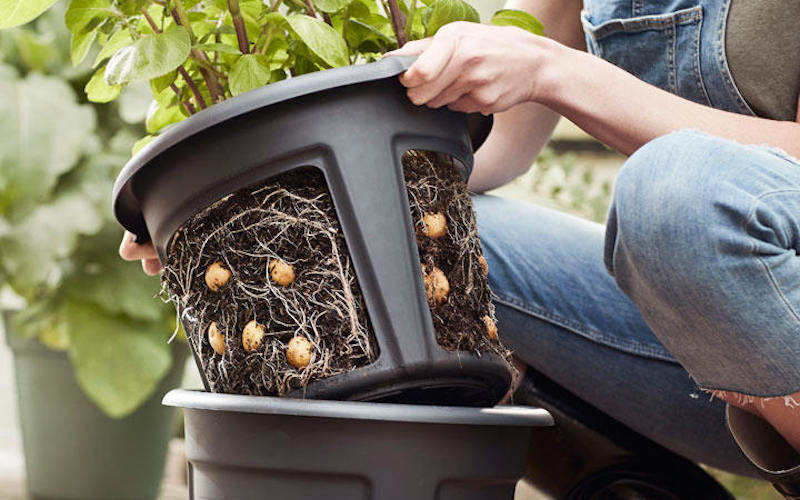
As a gardener, you’re probably wondering how to grow potatoes in pots. The good news is that it’s easier than you think! With the right containers and a little bit of care, you can enjoy a bountiful harvest of delicious homegrown potatoes.
What are Potatoes?
Potatoes (Solanum Tuberosum) are a perennial plant belonging to the Solanaceae family. They’re one of the most widely cultivated and consumed foods in the world. But did you know that you can grow potatoes in pots, too?
Why Grow Potatoes in Pots?
Growing potatoes in pots has several advantages:
- You can enjoy fresh, homegrown potatoes without taking up too much space
- Pots can be easily moved to different locations, making it perfect for small gardens or balconies
- Containers can help retain heat and moisture, promoting healthy growth
Choosing the Right Container
When selecting a container for growing potatoes, consider the following factors:
- Size: Look for containers with a diameter of at least 25-30 cm to accommodate the roots of the potato plant.
- Depth: Pots should be deep enough to allow the roots to grow and develop. A minimum depth of 10-15 cm is recommended.
- Material: Choose containers made from breathable materials like terracotta or ceramic.
Selecting the Right Variety
Not all potato varieties are created equal when it comes to growing in pots. Look for varieties that are known to perform well in containers, such as:
- Early potatoes (e.g., ‘Nicola’ or ‘Pentland Javel’)
- New potatoes (e.g., ‘Maris Piper’ or ‘Shetland Black’)
Growing Potatoes from Seed
To grow potatoes from seed, follow these steps:
- Choose a healthy potato tuber with “eyes” (small buds on the surface).
- Cut the tuber into sections, making sure each section has at least one eye.
- Allow the cut sections to dry for a few days to form a callus over the wound.
- Plant the sections in a container filled with a well-draining seed starting mix, burying them up to the eye.
- Water gently but thoroughly and provide adequate light and temperature conditions.
Caring for Your Potato Plants
To ensure your potato plants thrive:
- Keep the soil consistently moist but not waterlogged
- Provide full sun to partial shade
- Fertilize with a balanced fertilizer once a month
- Hill the soil around the base of the plant as it grows to encourage tuber formation
Timing is Everything
Potatoes typically take 70-100 days to mature. Plant them in late winter or early spring, when the risk of frost has passed.
Harvesting Your Potatoes
When your potatoes are ready to harvest:
- Check for signs of maturity, such as yellowing leaves and a dry, brittle stem
- Carefully dig around the plant with a fork, being careful not to damage the tubers
- Gently brush off any excess soil and enjoy your fresh, homegrown potatoes!
Here are some frequently asked questions about growing potatoes in pots:
Q: Can I grow potatoes in small containers?
A: Yes, but make sure they’re at least 25-30 cm in diameter to accommodate the roots of the potato plant.
Q: How often should I water my potato plants?
A: Keep the soil consistently moist but not waterlogged. Aim for about 1 inch of water per week.
Q: Can I grow potatoes indoors?
A: Yes, as long as you provide sufficient light and temperature conditions (around 60-70°F).
Q: How do I know when my potatoes are ready to harvest?
A: Check for signs of maturity, such as yellowing leaves and a dry, brittle stem.
Q: Can I grow multiple varieties of potatoes in the same container?
A: Yes, but make sure they’re compatible with each other and have similar growing conditions.
Tips and Tricks
Here are some additional tips to help you succeed:
- Use a well-draining potting mix to prevent waterlogged soil
- Avoid over-fertilizing, as this can lead to weak stems and reduced yields
- Keep the area around your potato plants weed-free to prevent competition for nutrients
- Consider using a mulch to retain moisture and regulate soil temperature
Common Problems
Be aware of these common problems that may affect your potato plants:
- Pests: Aphids, whiteflies, and potato beetles can be problematic. Use organic or integrated pest management methods to control infestations.
- Diseases: Late blight and scab are two common diseases that can affect potato plants. Practice good hygiene and sanitation techniques to prevent the spread of disease.
Conclusion
Growing potatoes in pots is a rewarding experience that offers many benefits, from fresh homegrown produce to space-saving gardening. By choosing the right container, selecting compatible varieties, and providing proper care, you’ll be well on your way to enjoying a bountiful harvest of delicious potatoes.


