
The Triple Threat: Population Growth, Climate Change, and Resource Depletion
The world is facing three interconnected challenges that threaten the very foundation of our existence: population growth, climate change, and resource depletion. These issues are intertwined and will have far-reaching consequences unless we address them collectively.
The Demographic Boom
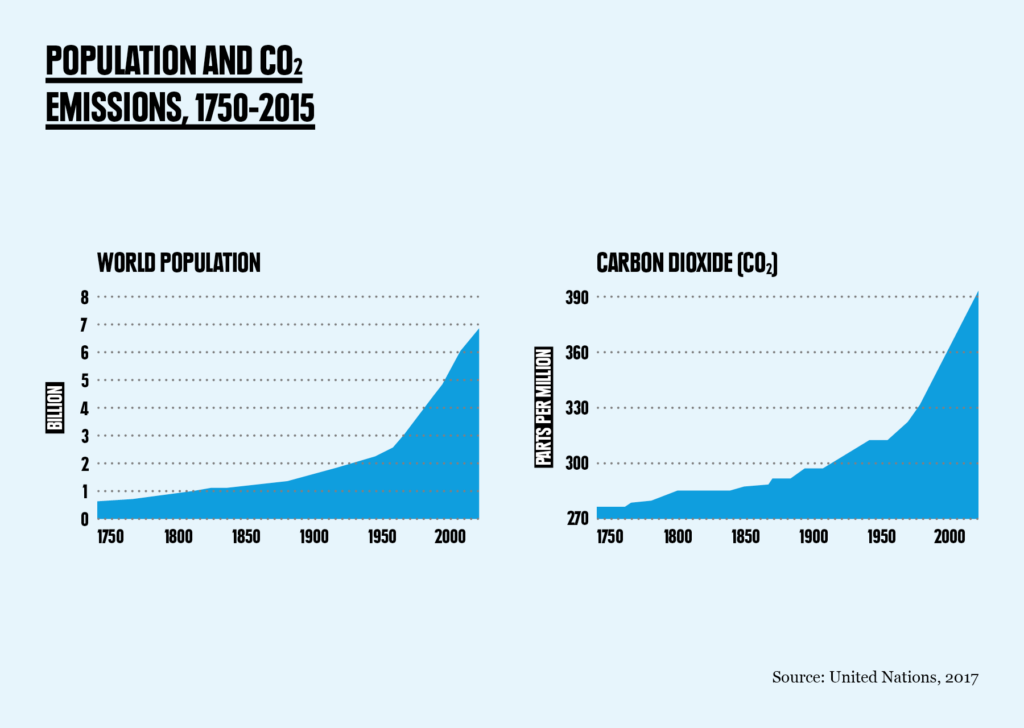
Since 1950, the global population has experienced a massive boom, with the number of people increasing from approximately one billion to over seven billion today. This growth is driven by factors such as improved healthcare, increased life expectancy, and declining fertility rates. The United Nations predicts that the world’s population will reach 9.7 billion by 2050 and 11.2 billion by 2100.
However, this demographic shift comes with significant challenges. The UN forecasts that the world will need to produce 70% more food in just four decades to feed the growing population. This puts immense pressure on agriculture, leading to soil degradation, water scarcity, and increased greenhouse gas emissions.
The Climate Crisis
Climate change is another pressing issue that affects not only the environment but also human societies. The burning of fossil fuels, deforestation, and other human activities have led to a significant increase in atmospheric carbon dioxide levels, causing rising temperatures and extreme weather events.
The consequences of climate change are far-reaching, with devastating impacts on ecosystems, economies, and human health. Rising sea levels threaten coastal communities, droughts and heatwaves exacerbate food insecurity, and the loss of biodiversity undermines ecosystem services.
Resource Depletion
The growing population and increasing consumption patterns put immense pressure on natural resources. The world’s freshwater supply is dwindling, with over 2 billion people lacking access to clean drinking water. Deforestation and habitat destruction threaten biodiversity, while ocean pollution harms marine ecosystems.
To mitigate these challenges, it is essential to adopt a holistic approach that addresses the interconnectedness of population growth, climate change, and resource depletion. This requires a fundamental transformation of our economic systems, lifestyles, and societal values.
The Intersection of Population Growth, Climate Change, and Resource Depletion
The relationship between population growth, climate change, and resource depletion is complex and multifaceted. The increasing demand for resources drives greenhouse gas emissions, which in turn exacerbate climate change. This creates a vicious cycle that threatens the very foundations of human civilization.
To break this cycle, we must adopt policies and practices that prioritize sustainability, equity, and human well-being. This includes:
- Sustainable Agriculture: Practices like agroforestry, permaculture, and regenerative agriculture can help sequester carbon dioxide, improve soil health, and increase crop yields.
- Renewable Energy: Transitioning to renewable energy sources like solar, wind, and hydroelectric power can significantly reduce greenhouse gas emissions and mitigate climate change.
- Water Conservation: Implementing efficient irrigation systems, reducing water waste, and promoting water recycling can help conserve this precious resource.
- Sustainable Consumption: Encouraging a culture of reduction, reuse, and recycling can help minimize waste and promote sustainable consumption patterns.
Economic Implications
The triple threat of population growth, climate change, and resource depletion has significant economic implications. The consequences of inaction will be severe, including:
- Food Insecurity: The increased demand for food will lead to higher prices, reduced availability, and decreased access to nutritious food.
- Economic Instability: Climate-related disasters and resource depletion can disrupt global supply chains, leading to economic instability and loss of income.
- Human Migration: The impacts of climate change and resource depletion may force people to migrate, leading to social, cultural, and economic disruption.
Social Implications
The triple threat has significant social implications, including:
- Increased Inequality: Climate change and resource depletion can exacerbate existing inequalities, particularly for the most vulnerable populations.
- Loss of Cultural Heritage: The impacts of climate change and resource depletion may lead to the loss of cultural heritage sites and traditional practices.
- Human Rights Violations: Climate-related disasters and resource depletion can result in human rights violations, including displacement, violence, and exploitation.
Conclusion
The triple threat of population growth, climate change, and resource depletion is a pressing issue that requires immediate attention. By adopting sustainable practices, policies, and lifestyles, we can mitigate these challenges and create a more equitable, resilient, and thriving world for all.
Frequently Asked Questions (FAQs)
- What are the main drivers of population growth?
- Improved healthcare, increased life expectancy, and declining fertility rates.
- How does climate change affect human societies?
- Devastating impacts on ecosystems, economies, and human health, including rising sea levels, droughts, heatwaves, and loss of biodiversity.
- What is the relationship between population growth and resource depletion?
- The increasing demand for resources drives greenhouse gas emissions, which in turn exacerbate climate change, creating a vicious cycle that threatens human civilization.
- How can we mitigate the effects of climate change?
- Adopting sustainable practices, policies, and lifestyles that prioritize sustainability, equity, and human well-being.
- What are some effective strategies for reducing greenhouse gas emissions?
- Transitioning to renewable energy sources, improving energy efficiency, and promoting sustainable land use practices.
- How can we promote sustainable consumption patterns?
- Encouraging a culture of reduction, reuse, and recycling, and promoting education and awareness about the impacts of consumer choices.
- What role do individual actions play in addressing the triple threat?
- Individual actions, such as reducing energy consumption, using public transportation, and eating plant-based diets, can collectively make a significant impact when combined with systemic changes.
- How can we ensure that climate change mitigation efforts prioritize human well-being and equity?
- Ensuring that policy decisions and technological innovations are guided by human needs, social justice, and environmental sustainability.
By addressing the triple threat of population growth, climate change, and resource depletion, we can create a more sustainable, equitable, and thriving world for all.


