
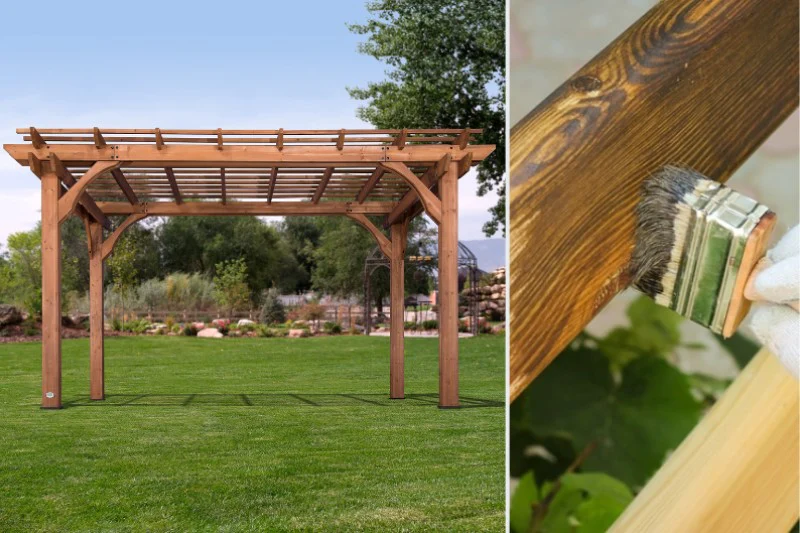
As we step into the great outdoors, there’s nothing quite like the feeling of being under the shade of a beautifully crafted wooden garden arbor. These rustic yet elegant structures have become an integral part of outdoor living spaces, providing a cozy retreat from the sun and a haven for relaxation. But have you ever stopped to think about how to maintain these lovely arbors?
In this article, we’ll delve into the world of wooden garden arbors, exploring their unique characteristics, maintenance requirements, and style options. Whether you’re looking to create a charming outdoor oasis or simply want to add some greenery to your patio, this article will guide you through the process.
What are Wooden Garden Arbors?
Wooden garden arbors are structures that provide shade, shelter, and beauty to outdoor spaces. They can be made from various types of wood and come in a range of shapes, sizes, and styles. These arbors are perfect for creating a peaceful retreat, providing a sense of seclusion and tranquility.
Characteristics of Wooden Garden Arbors
Wooden garden arbors are known for their simplicity and elegance. They can be made from various types of wood, including cedar, cypress, and pine. The structures are typically simple, lineal, and easy to assemble. However, they can also be elaborate and ornate, adorned with features like windows, grills, and planters.
The upper structure of the arbor can be designed in various ways, depending on the intended use and space constraints. It can be free-standing, providing a sense of openness, or it can be attached to an existing wall or fence, offering more stability.
Pergoles: A Versatile Option for Outdoor Spaces
Pergolas are another type of wooden garden arbor that offers flexibility and functionality. They can be made from various materials, including wood, metal, and plastic. These structures are perfect for creating a sense of separation between outdoor spaces or for defining different areas within a larger outdoor area.
Types of Wooden Garden Arbors
There are several types of wooden garden arbors to choose from, each with its unique characteristics and benefits. Some popular options include:
- Gazebo-style arbors: These structures feature a central column or pole that supports the arbor’s canopy, providing a sense of seclusion and intimacy.
- Free-standing arbors: These structures are freestanding and can be placed anywhere in your yard, providing shade and shelter from the elements.
- Attached arbors: These structures are attached to an existing wall or fence, offering more stability and support.
Maintenance Requirements for Wooden Garden Arbors
Wooden garden arbors require regular maintenance to ensure their longevity. As they’re exposed to the elements, they can be susceptible to damage from weather conditions like rain, sun, and wind. However, with proper care, these structures can last for years to come.
Here are some simple yet effective tips for maintaining your wooden garden arbor:
- Clean the wood: Regularly clean the wood using a soft brush or cloth to remove dirt, dust, and debris.
- Protect from pests: Apply a pest control solution to prevent damage from insects and rodents.
- Use protective coatings: Apply a clear coat of varnish or sealant to protect the wood from moisture and UV rays.
Choosing the Right Plants for Your Pergola
When it comes to selecting plants for your pergola, you want to choose species that are resistant to full sun and provide adequate shade. Some popular options include:
- Glicine americana: This flowering vine is perfect for creating a stunning display of flowers in the summer months.
- Vitis vinifera: A versatile grapevine that’s suitable for pergolas, providing a lush canopy of leaves and small white flowers.
Designing Your Wooden Garden Arbor
When it comes to designing your wooden garden arbor, there are several factors to consider. Here are some tips to help you create the perfect structure:
- Consider the style: Choose a style that complements your outdoor space and personal taste.
- Choose the right wood: Select a type of wood that’s durable and resistant to rot and insect damage.
- Add decorative features: Consider adding decorative features like windows, grills, and planters to enhance the structure’s appearance.
Conclusion
Wooden garden arbors are beautiful additions to any outdoor space. With proper maintenance and care, these structures can provide years of enjoyment and relaxation. Whether you’re looking to create a peaceful oasis or simply want to add some greenery to your patio, this article has provided you with the information you need to get started.
Frequently Asked Questions
- How often should I maintain my wooden garden arbor?
It’s recommended to clean and protect your wooden garden arbor annually to ensure its longevity. - What type of wood is best suited for pergolas?
Cedar, cypress, and pine are popular options for pergola construction due to their durability and resistance to rot and insect damage. - Can I use any plant species on my pergola?
Choose plants that are resistant to full sun and provide adequate shade. Glicine americana, Vitis vinifera, and other flowering vines are excellent options. - How do I choose the right size for my pergola?
Consider the space constraints of your outdoor area and choose a structure that complements its design and layout. - Can I attach plants to my pergola using wire or twine?
Yes, but make sure to use a sturdy material and secure it properly to prevent damage or sagging. - How often should I replace the wood on my pergola?
It’s recommended to replace wooden components every 10-15 years to ensure the structure remains stable and secure. - Can I install a pergola near power lines?
Avoid installing a pergola near power lines, as it may pose an electrical hazard.
By following these tips and guidelines, you’ll be well on your way to creating a beautiful wooden garden arbor that provides years of enjoyment and relaxation for you and your loved ones.


