
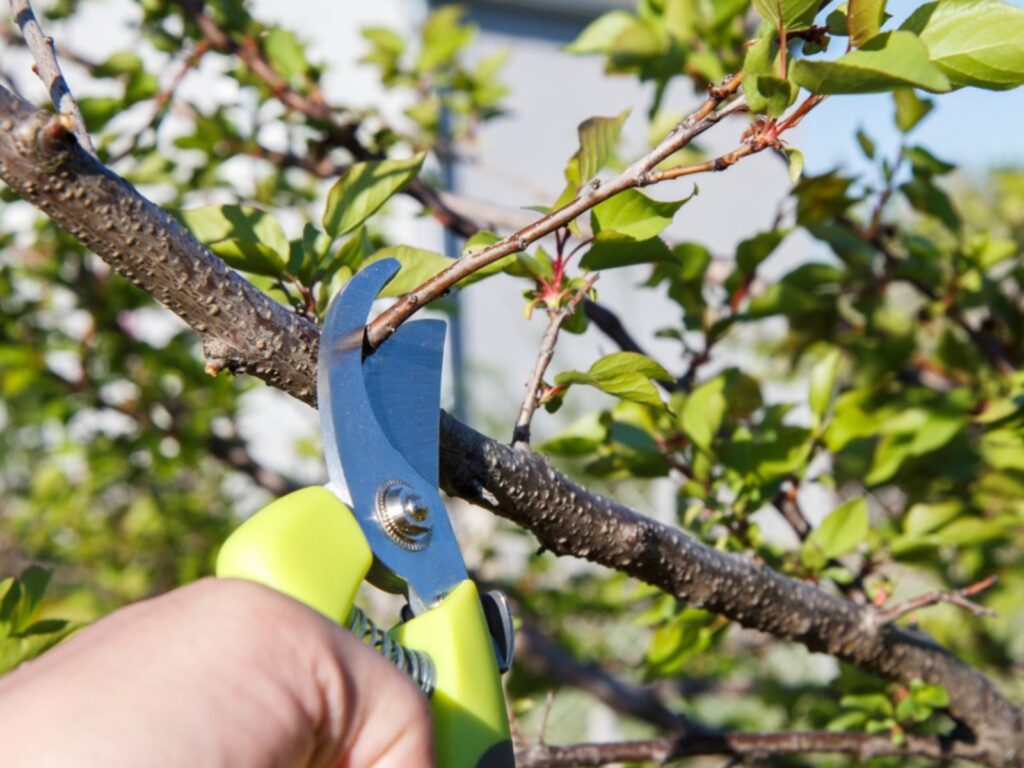
As a gardener, there’s nothing quite like the feeling of tending to your apricot trees. But did you know that pruning is one of the most important tasks you can perform to ensure the health and productivity of these beautiful trees? In this article, we’ll explore the ins and outs of green pruning on apricots, including when to prune, how to do it, and why it’s essential for a thriving tree.
The Benefits of Green Pruning
Green pruning, also known as green thinning or vegetative pruning, is a technique used to control the growth of your apricot tree by removing select branches. The goal of this process is to:
- Promote fruiting: By removing select branches, you can direct the tree’s energy towards producing fruit.
- Encourage a strong, balanced structure: Green pruning helps create a balanced and symmetrical shape, which is essential for healthy growth and fruit production.
- Reduce the risk of disease and pests: Pruning your apricot tree regularly can help remove diseased or infested branches, reducing the risk of further damage.
When to Prune Your Apricot Tree
So, when exactly should you prune your apricot tree? The answer is simple: in the spring, around May. This is the perfect time to inspect your tree and make any necessary cuts. If you’re new to green pruning, it’s essential to start with a healthy tree that’s already producing fruit.
But why is May the ideal time for pruning? Well, during this time, the sap is flowing freely, making it easier to make clean cuts without causing damage to the tree. Plus, most of the insect and disease issues that can affect apricot trees are less prevalent in the spring.
The Green Pruning Process
Green pruning involves removing select branches from your apricot tree to promote healthy growth and fruit production. Here’s a step-by-step guide on how to do it:
- Inspect your tree: Before you start pruning, inspect your tree to identify the three main branches that will form the foundation of your apricot tree’s shape. These are usually the strongest, healthiest branches, and they’ll provide the framework for your tree to grow.
- Look for weak or spindly growth: Identify any weak or spindly growth on these branches, such as dead, diseased, or damaged wood. Remove any of these areas to prevent the spread of disease and encourage healthy growth.
- Thin out select branches: Thin out select branches to promote air circulation and sunlight penetration. This will help prevent fungal diseases that thrive in shaded areas.
- Remove succhini: Remove any succhini (shoots that grow from the tips of branches) to encourage branching and prevent the tree from becoming too leggy.
Pruning Apricot Trees in Production
If you have an apricot tree that’s already producing fruit, you’ll need to prune it differently. Here’s what you can do:
- Remove suckers: Remove any suckers (shoots that grow from the base of the tree) to encourage a strong, balanced structure.
- Thin out select branches: Thin out select branches to allow for better air circulation and sunlight penetration.
- Consider leaving some succhini intact: Consider leaving some succhini intact to provide support for future growth.
Pruning Tips and Tricks
Here are some additional tips and tricks to keep in mind when pruning your apricot tree:
- Use the right tools: Use a pair of sharp, clean pruning shears or loppers to make precise cuts.
- Make clean cuts: Make clean cuts just above a bud or branch collar to prevent water from entering the tree.
- Prune at the right time: Prune your apricot tree in the spring when the sap is flowing freely, and avoid pruning during periods of extreme weather.
- Don’t over-prune: Don’t over-prune your apricot tree, as this can stress the tree and reduce its productivity.
Common Mistakes to Avoid
Here are some common mistakes to avoid when pruning your apricot tree:
- Over-pruning: Avoid over-pruning, as this can stress the tree and reduce its productivity.
- Damaging main branches or trunks: Be careful not to damage any of the main branches or trunks when pruning.
- Pruning too late: Prune your apricot tree in the spring, around May, before the heat of summer sets in.
Conclusion
Green pruning is an essential technique for maintaining the health and productivity of your apricot tree. By understanding when, how, and why to prune, you can promote a strong, balanced structure, reduce the risk of disease and pests, and enjoy a bountiful harvest of delicious apricots.
FAQs
- When should I prune my apricot tree?
In the spring, around May, when the sap is flowing freely. - How often should I prune my apricot tree?
Prune your apricot tree annually to maintain its health and productivity. - What’s the best way to prune my apricot tree?
Use a pair of sharp, clean pruning shears or loppers to make precise cuts. - Why is green pruning important for apricot trees?
Green pruning promotes fruiting, encourages a strong, balanced structure, and reduces the risk of disease and pests. - Can I prune my apricot tree in the fall?
No, it’s best to prune your apricot tree in the spring when the sap is flowing freely. - How long does it take for my apricot tree to respond to pruning?
Your apricot tree will begin to respond to pruning within a few months, but full results may take several years to develop. - Can I prune my apricot tree if it’s not producing fruit?
Yes, pruning your apricot tree can help promote healthy growth and encourage fruiting in future seasons. - What are some common mistakes to avoid when pruning apricot trees?
Avoid over-pruning, as this can stress the tree and reduce its productivity.
By following these tips and techniques, you’ll be well on your way to becoming a green pruning expert and enjoying a bountiful harvest of delicious apricots from your very own tree!


