
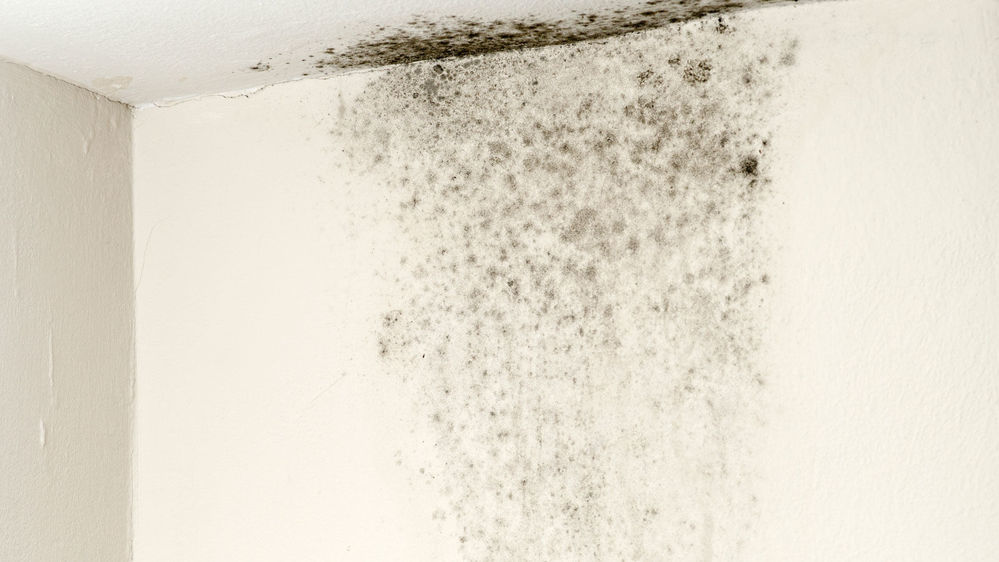
Understanding and Preventing Mold on Walls: A Comprehensive Guide
Mold on walls is a common issue that can be caused by several factors, including poor ventilation, water damage, and insulation. However, if you have already ruled out the possibility of remediable moisture issues with a technological intervention, the presence of mold on walls may indicate a more serious problem with indoor air circulation or structural defects.
Identifying the Root Cause of Mold
Before addressing the issue, it’s essential to identify the root cause of mold growth. If the source of discoloration on walls is water damage from a plumbing issue, the solution is straightforward: break down the wall and replace or repair the damaged section or area. On the other hand, if the origin of mold is related to thermal bridges – areas where there’s a lack of insulation in the structure – the solution involves installing a thermal barrier or external insulation.
Be Cautious with Excessive Isolation and Material Quality
However, excessive isolation and poor material quality can paradoxically contribute to mold growth on walls. Impermeable insulation barriers and moisture traps seal the house, creating an environment conducive to condensation formation. Conversely, porous materials (such as stone, brick, or wood) and breathable isolants (like wool, natural fiber, or sheep’s wool) facilitate airflow and maintain a dry interior environment – conditions essential for preventing mold growth without wasting energy.
Beware of Insulation Traps
When considering insulation to save on heating costs, beware of potential traps. External pannelled insulation with plastic coverings can effectively contain heat but also block sunlight and lead to unnecessary losses in terms of air circulation and comfort. When the house lacks ventilation due to insufficient airflow caused by inadequate or insulating materials, condensation occurs, which in turn leads to mold growth on walls.
Natural Ventilation: The Key to Healthy Indoor Air
For a healthy indoor environment, natural ventilation is crucial. By allowing fresh air to flow into the home through open windows, you can remove moisture and prevent mold from forming on walls. However, this approach also means losing some heat – which should be balanced against other insulation methods.
Breathable Insulation: The Answer
To avoid a vicious circle of over-insulation and poor ventilation, consider using breathable insulation that allows air to pass through. Natural materials like wool or natural fibers have the added benefit of helping to remove airborne pollutants from your home, improving overall comfort.
Key Characteristics of Effective Insulation
In conclusion, effective insulation should be:
- Breathable: allowing moisture and gases to escape
- Natural: made from organic materials that promote healthy indoor air quality
- Transpirable: enabling the exchange of warm, moist air with fresh air
Preventing Mold Growth on Walls through Proper Ventilation Techniques
To effectively address mold growth on walls, consider implementing proper ventilation techniques. This can include:
- Installing a whole-house fan to improve airflow and remove stale air
- Using exhaust fans in bathrooms and kitchens to reduce moisture buildup
- Increasing natural light by opening curtains or blinds during the day
- Implementing a dehumidification system to maintain optimal humidity levels
- Ensuring good insulation while allowing for adequate ventilation
Balancing Insulation Needs with Proper Ventilation Techniques
Balancing insulation needs with proper ventilation techniques is crucial for maintaining a healthy and comfortable indoor environment. It’s essential to strike a balance between energy efficiency and air quality, ensuring that your home remains dry and mold-free.
Frequently Asked Questions (FAQs)
- What causes mold growth on walls?
Mold growth on walls can be caused by poor ventilation, water damage, and structural defects. - How do I prevent mold from growing on my walls?
To prevent mold, ensure proper ventilation and consider using breathable insulation materials. - Is excessive isolation bad for my home’s air quality?
Yes, over-insulation can lead to poor air circulation and promote condensation formation – ideal conditions for mold growth. - What are some natural alternatives to traditional insulation materials?
Natural materials like wool, natural fiber, or sheep’s wool make excellent breathable insulation options. - Can excessive isolation cause problems in the long run?
Yes, poor ventilation due to over-insulation can lead to mold growth and other indoor air quality issues. - How important is it to balance insulation with proper ventilation?
Balancing insulation needs with ventilation techniques is crucial for maintaining a healthy and comfortable indoor environment. - Can I still achieve energy efficiency while ensuring good ventilation?
Yes, there are various insulation options that prioritize breathability and natural ventilation while providing energy efficiency. - How can I identify signs of poor ventilation in my home?
Signs of poor ventilation may include condensation on walls or windows, musty odors, and difficulty breathing indoors.
Conclusion: Combating Mold on Walls through Proper Ventilation
Mold on walls is often a sign of poor ventilation or excessive insulation. To effectively address this issue, consider balancing insulation needs with proper ventilation techniques. By doing so, you can maintain a healthy and comfortable indoor environment while reducing the risk of mold growth on your walls.
In conclusion, understanding and preventing mold on walls requires careful consideration of insulation materials, ventilation techniques, and natural air circulation patterns. By implementing effective strategies to promote breathability and prevent moisture buildup, homeowners can enjoy a healthier and more energy-efficient living space.


