
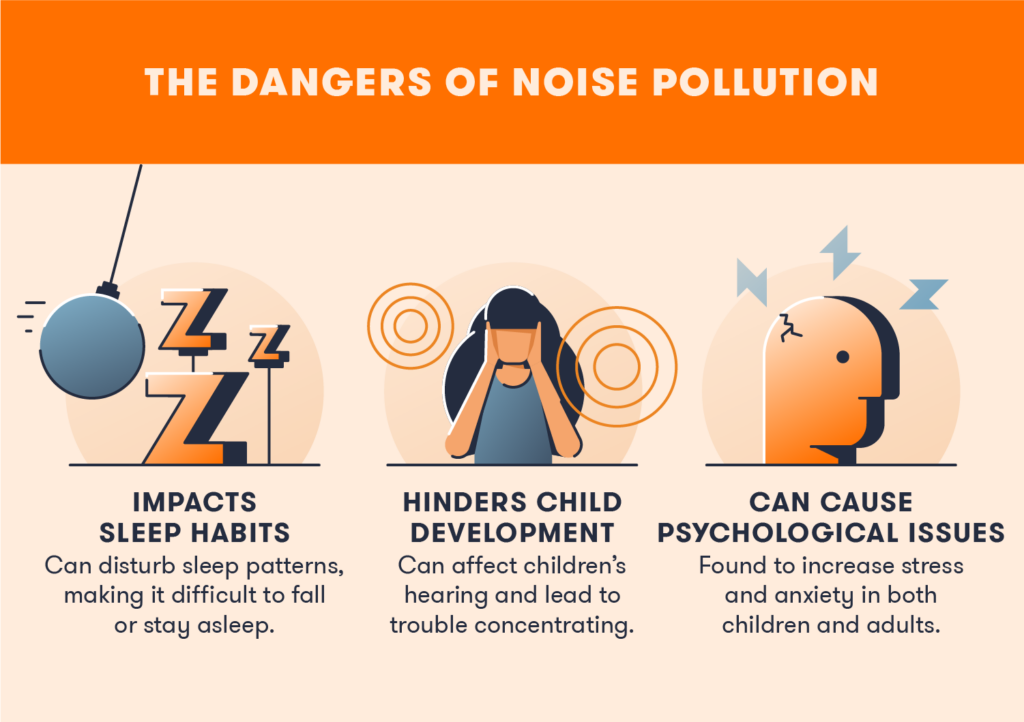
Noise pollution has become a growing concern in modern society, affecting not only our physical health but also our mental well-being. The constant exposure to loud sounds can lead to stress, anxiety, and even long-term damage to our hearing. In this article, we will delve into the world of noise pollution, exploring its causes, consequences, and potential solutions.
What is Noise Pollution?
Noise pollution, also known as inquinamento acustico in Italian, refers to the excessive level of sound that disrupts the natural environment and human life. The World Health Organization (WHO) defines noise pollution as “an unwanted sound that can cause a disturbance or annoyance.”
How is Noise Measured?
To quantify noise pollution, we use decibels (dB), which measure the intensity of sound waves. A level of 50 dB or less is considered acceptable in quiet environments, while levels above 90 dB can cause hearing damage and discomfort.
The Impact on Our Health
Prolonged exposure to loud sounds can lead to a range of health problems, including:
- Hearing Loss: Noise pollution can cause permanent damage to our ears, leading to hearing loss and tinnitus (ringing in the ears).
- Sleep Disturbances: Exposure to loud noises can disrupt sleep patterns, leading to insomnia, fatigue, and other sleep-related problems.
- Anxiety and Stress: Chronic noise pollution can lead to increased stress levels, anxiety, and depression.
- Cardiovascular Disease: Studies have shown that long-term exposure to loud noises can increase the risk of cardiovascular disease.
Historical Context
The concept of noise pollution has been around for centuries. In 1995, Italy passed a law regulating noise pollution, which led to increased awareness about the issue. Since then, several countries and cities have implemented measures to reduce noise pollution, including:
- Quiet Hours: Some cities have introduced quiet hours or curfews to reduce nighttime noise levels.
- Soundproofing: Governments have encouraged the use of soundproofing materials in buildings to minimize noise pollution.
- Noise Regulations: Many countries have established noise regulations to limit noise levels in residential areas and public spaces.
Causes of Noise Pollution
Noise pollution is often caused by human activities such as:
- Traffic Congestion: Cars, trucks, and motorcycles can generate significant amounts of noise pollution.
- Construction and Demolition: Building projects can lead to increased noise levels in surrounding neighborhoods.
- Industrial Processes: Factories, construction sites, and other industrial areas can produce excessive noise.
- Music and Entertainment: Loud music from concerts, festivals, and nightclubs can disturb neighbors.
Sources of Noise Pollution
Noise pollution can come from various sources, including:
- Outdoor Noise: Traffic, construction, industrial processes, and outdoor events are common sources of noise pollution.
- Indoor Noise: Appliances, music, and other indoor activities can generate significant amounts of noise pollution.
- Natural Noise: Wind, water, and other natural sounds can also contribute to noise pollution.
Mitigating Noise Pollution
While it’s challenging to completely eliminate noise pollution, there are steps we can take to reduce its impact. Some strategies include:
- Using Earplugs or Earmuffs: Wearing ear protection during loud events or in noisy environments can help prevent hearing damage.
- Creating Soundproofing Materials: Using sound-absorbing materials like acoustic panels and soundproof blankets can minimize noise pollution in homes and buildings.
- Implementing Quiet Hours or Zones: Establishing quiet hours or zones can reduce noise levels in residential areas and public spaces.
- Encouraging Sustainable Transportation: Promoting the use of electric vehicles, public transportation, and other eco-friendly modes of transportation can help reduce traffic noise.
Solutions for Indoor Noise Pollution
To minimize indoor noise pollution, consider the following solutions:
- Install Sound-Absorbing Materials: Using sound-absorbing materials like acoustic panels, carpets, and curtains can help reduce echo and minimize noise levels.
- Use Area Rugs or Mats: Placing area rugs or mats on hard floors can reduce echo and absorb sound waves.
- Add Plants or Greenery: Adding plants or greenery to indoor spaces can help absorb sound waves and improve air quality.
- Create a Quiet Room or Sanctuary: Designating a quiet room or sanctuary in your home can provide a peaceful retreat from noise pollution.
Solutions for Outdoor Noise Pollution
To minimize outdoor noise pollution, consider the following solutions:
- Use Noise-Reducing Barriers: Installing noise-reducing barriers like fences, walls, and soundproof blankets can help contain noise pollution.
- Create Quiet Zones: Establishing quiet zones in residential areas or public spaces can reduce noise levels and improve air quality.
- Implement Noise-Abatement Measures: Encouraging the use of noise-abatement measures like noise-reducing materials and sound-absorbing technologies can help minimize outdoor noise pollution.
Conclusion
Noise pollution is a pressing concern that affects not only our physical health but also our mental well-being. By understanding the causes, consequences, and potential solutions to noise pollution, we can work towards creating a quieter, healthier environment for ourselves and future generations. Whether it’s through implementing quiet hours or zones, creating soundproofing materials, or promoting sustainable transportation, there are steps we can take to mitigate the effects of noise pollution. By working together, we can reduce the silent epidemic of noise pollution and create a more peaceful, serene world.


