
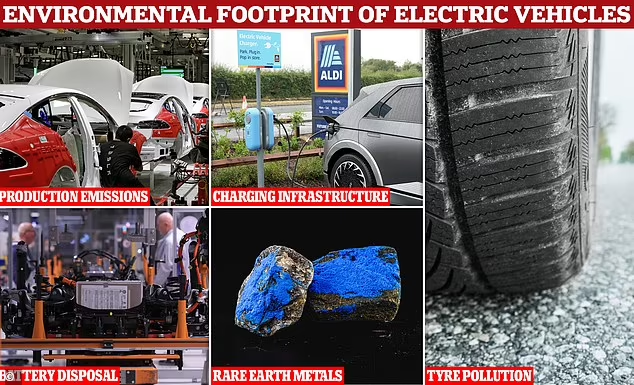
Understanding the Complexity of Emission Reduction
When it comes to discussing electric mobility and sustainability, we often focus solely on the emissions produced by a vehicle in motion. However, this narrow perspective overlooks the entire lifecycle of an automobile, from production to disposal, and the energy sources used to power it.
In this article, we’ll delve into the world of electric motors and explore the intricacies surrounding their eco-friendliness. We’ll examine the emissions produced by electric vehicles (EVs), hybrid EVs, and the environmental impact of battery production.
Emissions of Electric Vehicles
Electric vehicles have a significant advantage over traditional gasoline-powered cars when it comes to reducing greenhouse gas emissions. However, this doesn’t mean they’re completely emission-free. The average electric vehicle produces around 30 tons of CO2 per 20,000 miles, which is significantly lower than that of a gasoline-powered car.
But here’s the catch: the type of energy source used to power the vehicle matters. If the electricity comes from renewable sources like hydroelectric or nuclear power plants, the overall emissions are greatly reduced. In fact, studies have shown that EVs powered by renewable energy can reduce emissions by up to 70%.
The Dark Side of Electric Vehicle Production
While electric vehicles may seem eco-friendly, there’s a dark side to their production. The extraction and processing of raw materials like lithium, cobalt, graphite, and neodymium require significant amounts of water and chemicals, which can lead to environmental degradation and pollution.
Furthermore, the production process for these batteries requires massive amounts of energy, contributing to greenhouse gas emissions. This means that even though electric vehicles may reduce emissions on the road, their production phase has a significant impact on the environment.
The Role of Hybrid Electric Vehicles
Hybrid electric vehicles (HEVs) are another option for those looking to reduce their carbon footprint. While they do use electricity to power the vehicle, they still rely on combustion engines, which means they produce emissions. However, studies have shown that HEVs can reduce emissions by up to 20%.
The Importance of Sustainable Energy Sources
To truly minimize the environmental impact of electric vehicles, it’s essential to focus on sustainable energy sources. This includes investing in renewable energy infrastructure, promoting energy-efficient practices, and supporting policies that encourage the use of clean energy.
The True Cost of Electric Vehicle Ownership
While electric vehicles may seem like a cost-effective option in the long run, there are some hidden costs to consider. For example, battery degradation over time can reduce their range and overall performance. Additionally, the production process for batteries contributes to greenhouse gas emissions, which can negate any environmental benefits.
Charging Infrastructure: The Next Step Towards Sustainability
One of the most significant challenges facing electric vehicles is the lack of charging infrastructure. As more people adopt EVs, it’s essential that we invest in a comprehensive network of charging stations. This includes fast-charging corridors along highways and urban areas, as well as public charging points in shopping centers and residential neighborhoods.
Greenhouse Gas Emissions from Battery Production
Battery production is a significant contributor to greenhouse gas emissions. The extraction and processing of raw materials required for battery production require massive amounts of energy, which is often generated by fossil fuels. This means that even though electric vehicles may reduce emissions on the road, their production phase has a significant impact on the environment.
Closed-Loop Recycling: A Solution to Battery Waste
One potential solution to the environmental impact of battery waste is closed-loop recycling. This involves collecting used batteries and recycling them into new materials, such as raw materials for new battery production or other products like plastics and metals.
Environmental Impact of Lithium Mining
Lithium mining is a significant contributor to environmental degradation in regions where it’s extracted. The extraction process requires massive amounts of water, which can lead to droughts and habitat destruction. Additionally, the mining process itself can release toxic chemicals into the environment, posing risks to local ecosystems.
Recycling and Repurposing: Reducing Waste
Reducing waste is crucial for minimizing the environmental impact of electric vehicle ownership. This includes recycling and repurposing materials from old batteries, as well as reducing the amount of energy required for battery production.
Comparative Analysis of Electric Vehicle Options
Electric vehicles come in a range of options, each with its own set of environmental benefits and drawbacks. It’s essential to consider the type of energy source used to power the vehicle, the emissions produced during production, and the impact on local ecosystems when making an informed decision about which option is best for you.
Government Policies: Encouraging Sustainable Electric Vehicle Adoption
Governments play a crucial role in encouraging sustainable electric vehicle adoption. This includes investing in renewable energy infrastructure, promoting energy-efficient practices, and supporting policies that encourage the use of clean energy.
Conclusion: The Complexities of Electric Motor Sustainability
In conclusion, electric motors may not be as eco-friendly as we once thought. While they offer significant reductions in greenhouse gas emissions on the road, their production phase has a substantial impact on the environment. To truly minimize our carbon footprint, we need to focus on sustainable energy sources and consider the complexities surrounding electric vehicle ownership.
FAQs
- Are electric vehicles completely emission-free?
No, electric vehicles are not completely emission-free. While they produce fewer emissions than traditional gasoline-powered cars, their production phase has a significant impact on the environment. - What type of energy source is best for powering electric vehicles?
Renewable energy sources like hydroelectric or nuclear power plants are ideal for powering electric vehicles. - How do hybrid electric vehicles compare to electric vehicles in terms of emissions?
Hybrid electric vehicles produce fewer emissions than traditional gasoline-powered cars, but still rely on combustion engines. - What is the environmental impact of battery production?
Battery production requires significant amounts of water and chemicals, contributing to environmental degradation and pollution. - Can we truly minimize the environmental impact of electric vehicle ownership?
Yes, by focusing on sustainable energy sources and considering the complexities surrounding electric vehicle ownership, we can minimize our carbon footprint. - How long does it take for an electric vehicle’s battery to degrade?
The lifespan of an electric vehicle’s battery varies depending on factors like driving habits and environmental conditions. - What is the best way to dispose of old electric vehicle batteries?
Proper disposal of old electric vehicle batteries involves recycling or repurposing them to minimize waste. - Can we rely solely on electric vehicles for transportation in the future?
While electric vehicles offer significant reductions in greenhouse gas emissions, they are not a silver bullet solution. A combination of sustainable energy sources, renewable infrastructure, and smart urban planning is necessary to create a truly emission-free transportation system.
Future Directions: Electric Vehicle Sustainability
As we move forward, it’s essential that we prioritize sustainability in the development and deployment of electric vehicles. This includes investing in renewable energy infrastructure, promoting energy-efficient practices, and supporting policies that encourage the use of clean energy.
Final Thoughts
The truth about electric motors is complex and multifaceted. While they offer significant reductions in greenhouse gas emissions on the road, their production phase has a substantial impact on the environment. By focusing on sustainable energy sources and considering the complexities surrounding electric vehicle ownership, we can minimize our carbon footprint and create a more sustainable future for all.


