
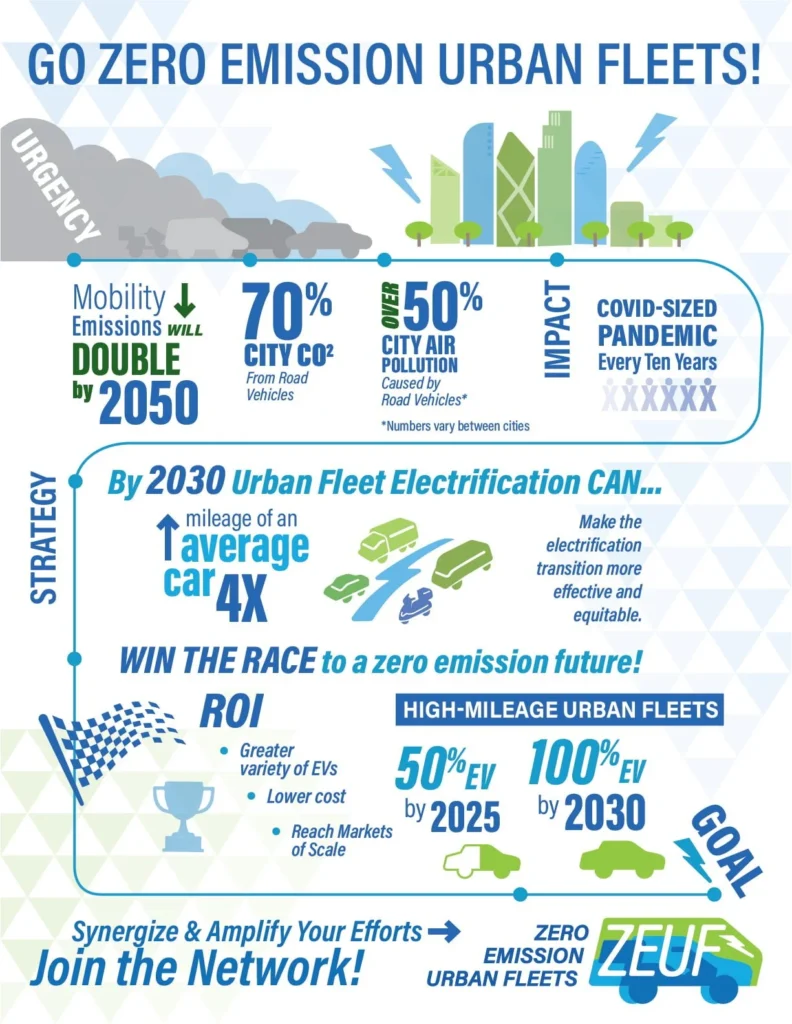
As the European Union strives to achieve its ambitious goal of reducing harmful emissions, it must take bold action in the transportation sector by promoting electromobility. According to a recent study by Ricardo-AEA, commissioned by Greenpeace and environmental groups focusing on transport and environment, the EU’s efforts must focus solely on the transportation sector to meet its 2025 emission reduction targets.
The Study’s Findings: A Clear Call to Action
The study conducted by Ricardo-AEA examined various scenarios for 2025, and its findings suggest that the EU can achieve its emission reduction goals by acting primarily in the transportation sector. This is not a surprise, as the European Parliament has recently been discussing various strategies to promote sustainable mobility.
European Union’s Four Pillars: A Framework for Success
The EU’s four pillars, which were examined in the study, provide a framework for achieving success in electromobility:
- Technologies and Innovation: Investing in cutting-edge technologies and research and development to improve the efficiency and affordability of electric vehicles.
- Stronger Market and Intelligent Regulation: Encouraging competition and creating an environment that supports the growth of the electric vehicle market, while also implementing effective regulations to ensure safety and environmental standards.
- International Harmonization of Vehicle Standards: Ensuring that all countries have standardized regulations for vehicles, making it easier for consumers to buy and own electric vehicles across borders.
- Preparation and Mitigation of Social Impacts: Addressing the social implications of a shift towards electromobility, such as job losses and changes in urban planning.
Challenges to Electromobility: Understanding the Obstacles
So why are electric vehicles struggling to gain traction? The major cost of an electric vehicle is offset within a few years by significant savings on fuel costs. However, despite this economic benefit, electric vehicles are not yet widely adopted. One key obstacle is the lack of infrastructure, including charging stations and public charging points.
The Impact of Charging Infrastructure
Charging infrastructure is a critical component of electromobility, as it enables drivers to charge their vehicles quickly and easily. However, current charging infrastructure is limited in many areas, making it difficult for consumers to adopt electric vehicles. To address this issue, the EU must invest in expanding public charging points and incentivizing private companies to install charging stations.
Case Studies: Success Stories from Around the World
Other countries have made significant strides in promoting electromobility. The Netherlands and Norway are examples of nations that have successfully implemented electric vehicle policies, thanks to initiatives by companies like Renault. These countries demonstrate that with the right policies and support, electromobility can be a viable alternative to traditional fossil-fuel-based transportation.
The Netherlands: A Leader in Electromobility
The Netherlands has made significant investments in promoting electromobility, including providing incentives for consumers to purchase electric vehicles and investing in expanding public charging points. As a result, the country has seen a significant increase in adoption rates of electric vehicles, with over 10% of new car sales being electric.
Norway: A Pioneer in Electromobility
Norway has been at the forefront of electromobility for several years, thanks to its favorable policies and infrastructure. The country offers tax incentives for consumers who purchase electric vehicles, as well as generous access to public transportation. As a result, Norway has seen one of the highest adoption rates of electric vehicles in the world.
Finding Charging Stations: A Convenient Solution
To find charging stations for electric vehicles near your location, use our search engine for charging points! With our online platform, you can easily locate charging stations and plan your route to ensure that you always have access to a charge point when you need it.
Benefits of Electromobility
There are numerous benefits to electromobility, including:
- Reduced greenhouse gas emissions: Electric vehicles produce zero tailpipe emissions, reducing greenhouse gas emissions and improving air quality.
- Improved fuel efficiency: Electric vehicles are generally more fuel-efficient than traditional fossil-fuel-based vehicles, reducing fuel consumption and lowering emissions.
- Lower operating costs: Electric vehicles have lower operating costs, as they require less maintenance and have fewer moving parts than traditional vehicles.
- Reduced noise pollution: Electric vehicles produce significantly less noise pollution than traditional vehicles.
Conclusion: A Bright Future for Electromobility in Europe
In conclusion, the European Union’s efforts to reduce emissions can be significantly enhanced by promoting electromobility. By addressing the challenges and implementing effective strategies, we can create a more sustainable transportation system that benefits both people and the environment.
Frequently Asked Questions (FAQs)
Q: What is the main challenge facing electromobility in Europe?
A: The lack of infrastructure, including charging stations and public charging points, is a significant obstacle to widespread adoption.
Q: Why are electric vehicles struggling to gain traction?
A: Despite their economic benefits, electric vehicles are not yet widely adopted due to various factors, including high upfront costs, limited infrastructure, and lack of incentives for consumers.
Q: What role can the European Union play in promoting electromobility?
A: The EU must take bold action in the transportation sector by investing in cutting-edge technologies, creating an environment that supports the growth of the electric vehicle market, and implementing effective regulations to ensure safety and environmental standards.
Q: Can other countries provide examples for Europe’s success?
A: Yes, countries like the Netherlands, Norway, and France have successfully implemented electromobility policies through initiatives by companies like Renault.
Q: How can I find charging stations near my location?
A: Use our search engine for charging points to locate charging stations for electric vehicles in your area.
Q: What is the EU’s target for reducing emissions by 2025?
A: The EU aims to reduce its emission of CO2 by 2025, but it must take bold action in the transportation sector to achieve this goal.
Q: Why is electromobility essential for Europe’s future?
A: Electromobility is essential for Europe’s future because it can significantly reduce emissions, improve air quality, and create a more sustainable transportation system that benefits both people and the environment.


