
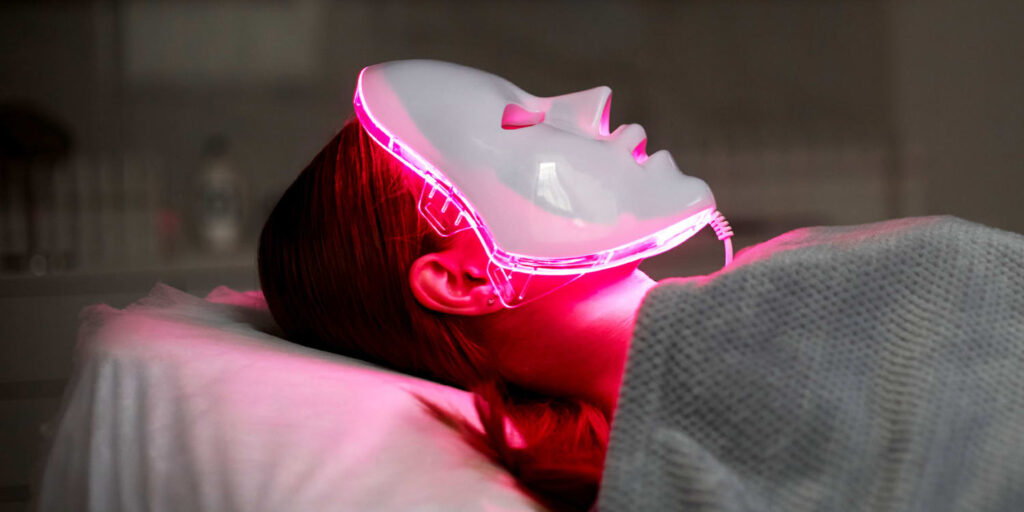
Light therapy, also known as phototherapy, is a non-invasive treatment that uses specialized light to improve mood, energy levels, and overall well-being. While it’s often associated with seasonal affective disorder (SAD), light therapy can benefit individuals with various health conditions, including depression, acne, and skin issues.
Understanding the Science Behind Light Therapy
Light therapy works by stimulating the production of neurotransmitters, such as serotonin, in the brain. This natural chemical plays a crucial role in regulating mood, appetite, and sleep patterns. By exposing ourselves to specific wavelengths of light, we can influence these processes, leading to improved mental health and physical well-being.
The Benefits of Light Therapy
- Mood Boost: Light therapy has been shown to alleviate symptoms of depression, anxiety, and seasonal affective disorder.
- Skin Health: Exposure to specific wavelengths of light can help reduce acne, improve skin tone, and even out skin discoloration.
- Circadian Rhythm Regulation: Light therapy can help regulate the body’s internal clock, leading to improved sleep patterns and overall physical health.
Types of Light Therapy
There are several types of light therapy available, each with its unique benefits:
- Red Light Therapy: Targeted towards skin issues, such as acne, fine lines, and wrinkles.
- Full-Spectrum Light Therapy: Mimics natural sunlight and is often used for depression, seasonal affective disorder, and circadian rhythm regulation.
- Blue Light Therapy: Used to treat acne, rosacea, and other skin conditions.
How to Choose the Right Light Therapy Device
When selecting a light therapy device, consider the following factors:
- Wavelength: Ensure the device emits the correct wavelength for your specific needs (e.g., red light for skin issues or blue light for acne).
- Intensity: Choose a device with adjustable intensity to accommodate individual preferences.
- Duration: Consider devices with customizable treatment times to suit your schedule.
Choosing the Right Light Therapy Device: A Comprehensive Guide
When selecting a light therapy device, it’s essential to consider several factors to ensure you find the right one for your needs. Here’s a comprehensive guide to help you make an informed decision:
- Wavelength: Different wavelengths have distinct effects on various health conditions. For example:
- Red light (630-700nm) is commonly used for skin issues, such as acne and fine lines.
- Blue light (405-450nm) is often used to treat acne, rosacea, and other skin conditions.
- Full-spectrum light (400-700nm) mimics natural sunlight and is suitable for depression, seasonal affective disorder, and circadian rhythm regulation.
- Intensity: Adjustable intensity allows you to tailor the treatment to your specific needs. Look for devices with adjustable settings or multiple intensity levels.
- Duration: Customizable treatment times ensure you can schedule light therapy sessions that fit your lifestyle.
Best Light Therapy Devices for 2023
Here are some of the best light therapy devices on the market, featuring advanced technology and convenient designs:
- Verilux HappyLight Deluxe: This full-spectrum light therapy device features adjustable intensity and duration, making it suitable for various health conditions.
- Joovv Red Light Therapy: This red light therapy device is designed specifically for skin issues, such as acne and fine lines, and offers a range of customizable settings.
- Philips SmartSleep Wake-Up Light: This wake-up light features a full-spectrum light therapy component, helping to regulate the body’s internal clock.
Light Therapy: A Natural Alternative to Medication
While medication can be effective for managing certain health conditions, light therapy offers a natural alternative with numerous benefits:
- No Side Effects: Unlike medication, light therapy rarely causes side effects.
- Long-Term Benefits: Light therapy can provide long-term benefits for overall health and well-being.
- Cost-Effective: Light therapy devices are often more affordable than medication.
Conclusion
Light therapy is a powerful tool for improving mental and physical health. By understanding the science behind it, choosing the right device, and incorporating it into your daily routine, you can unlock the benefits of light therapy and enhance your overall well-being.
Frequently Asked Questions (FAQs)
- What are the best times to use light therapy?
- Best suited for individuals with depression, seasonal affective disorder, or circadian rhythm regulation issues.
- Can light therapy be used in conjunction with medication?
- Consult a healthcare professional before combining light therapy with medications.
- How often should I use light therapy?
- Start with short sessions (10-15 minutes) and gradually increase duration as needed.
- What are the potential side effects of light therapy?
- Rarely experienced, but may include eye strain, headaches, or skin irritation.
- Can anyone use light therapy?
- Generally suitable for adults; consult a healthcare professional before using light therapy if you have any underlying medical conditions.
- How long does it take to see results from light therapy?
- Results can vary depending on individual needs and treatment duration, but typically noticeable within a few weeks of consistent use.
- Can light therapy be used for other health conditions besides depression and acne?
- Yes; consult a healthcare professional to determine if light therapy is suitable for your specific condition.
Additional Resources
- Hilterapia Laser: Cos’è
- Depressione: Rimedi Naturali
- Seratonina Bassa
- Lunghezza Focale: Cosa È
- Fototerapia: Costo e Vantaggi
- Magnetoterapia: Controindicazioni


