
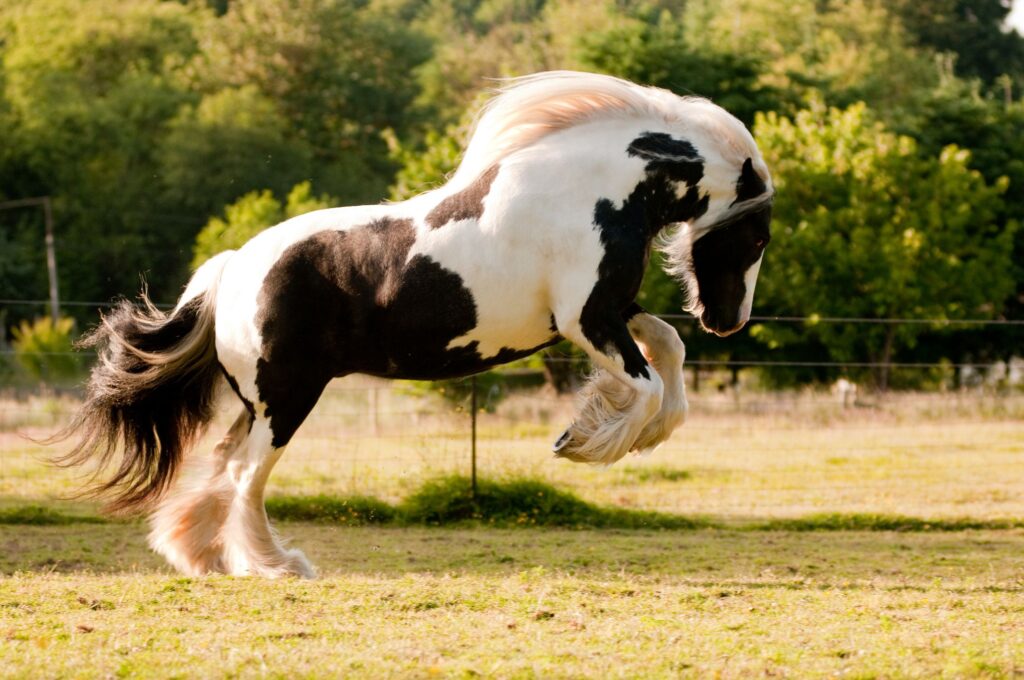
As we explore the world of horse breeds, few equine species have captured our imagination like the majestic Gypsy Vanner. With its striking appearance, gentle nature, and versatility in various roles, it’s no wonder this breed has gained popularity among horse enthusiasts worldwide. In this comprehensive guide, we’ll delve into the origins, characteristics, uses, and breeding of the Gypsy Vanner, shedding light on what makes this horse truly special.
The Origins of the Gypsy Vanner
The Gypsy Vanner is often referred to as a Tinker or Irish Cob, but its true identity lies in its ancestry. This breed was created by the Zingari people, nomadic travelers who originated from Ireland and England, around a century ago. They sought a horse that could withstand harsh terrain and labor without complaint. By crossing different breeds, such as Dales pony, Fell, Welsh cob, Share, and Clydesdale, they achieved their desired characteristics: a robust and strong physique, coupled with an exceptional temperament.
While the exact mix of breeds remains a closely guarded secret among Zingari breeders, it’s clear that this horse has been carefully crafted for its unique attributes. Its striking coat patterns, intelligence, and work ethic have earned the Gypsy Vanner a special place in the hearts of many horse enthusiasts.
Characteristics
The Gypsy Vanner’s distinctive appearance is often described as captivating and elegant. Its coat pattern, featuring intricate color combinations and flecks, makes each individual unique. The breed comes in various colors, including bay, palomino, gray, and roan, with a mix of white markings. The horse’s body type is robust, with powerful shoulders, a compact torso, and sturdy legs.
Size Variations
The Gypsy Vanner can be divided into three size categories:
- Mini Vanner: up to 142 cm (55 in) at the withers
- Classic Vanner: between 143-155 cm (56-61 in) at the withers
- Grand Vanner: over 155 cm (61 in) at the withers
Each size variation brings its own unique charm and characteristics, making the Gypsy Vanner a versatile breed for various roles.
Attitudes and Employment
The Gypsy Vanner is renowned for its gentle disposition, making it an excellent choice for riders of all experience levels. This breed has been selected for its versatility in roles such as driving, riding, and guiding, particularly suited for novice horse owners. The Gypsy Vanner’s exceptional work ethic, intelligence, and willingness to please make it a highly trainable species.
The Mantello: A Marvel of Coloration
The Gypsy Vanner’s coat pattern is one of its most striking features. This breed is known for its diverse colors, with some individuals sporting a mix of solid colors (piebald, skewbald) and white markings. To describe these unique patterns, the British equine community uses specific terms:
- Piebald: black and white coloring
- Skewbald: mixed colors such as roan or bay and white
- Odd-colored: solid colors with additional marks
These colorations are a testament to the breed’s exceptional diversity.
Breeding and Care
Modern breeding practices for Gypsy Vanners often involve selective mating of purebred stallions with Frisian mares, allowing for optimal growth and development. From an early age, young horses are kept in contact with humans to foster trust and bonding. Training begins with basic instruction and gradually builds towards more specialized work.
Working with Gypsy Vanners
This breed’s versatility makes it suitable for various roles:
- Driving: The Gypsy Vanner is perfect for harness driving due to its strength, temperament, and intelligence.
- Riding: Its gentle nature, combined with a strong foundation in riding techniques, make this breed ideal for novice riders.
- Guiding: With proper training, Gypsy Vanners can become excellent guides for visually impaired individuals.
Tips for Working with Gypsy Vanners
To ensure a harmonious partnership between you and your Gypsy Vanner:
- Start with basic groundwork to establish trust and communication.
- Gradually introduce riding or driving techniques, focusing on clear communication and positive reinforcement.
- Be patient, as the Gypsy Vanner’s intelligence and trainability make it essential to tailor training to their needs.
Conclusion
The Gypsy Vanner is a majestic breed that embodies the perfect balance of beauty, intelligence, and hardiness. Through its rich history, unique characteristics, and versatility, this horse has earned a special place in the hearts of many equine enthusiasts. Whether you’re an experienced rider or just starting your equestrian journey, the Gypsy Vanner is sure to captivate with its elegance, charm, and incredible abilities.
FAQs
- Q: What’s the origin of the name “Gypsy Vanner”?
- A: The term “Gypsy Vanner” refers to this breed’s ancestry among nomadic Zingari travelers in Ireland and England.
- Q: Are Gypsy Vanners suitable for beginners?
- A: Absolutely! Their gentle disposition, intelligence, and willingness to please make them an excellent choice for novice horse owners.
- Q: What makes a Gypsy Vanner’s coat so unique?
- A: The breed’s distinctive color patterns, such as piebald or skewbald, set it apart from other horses.


