
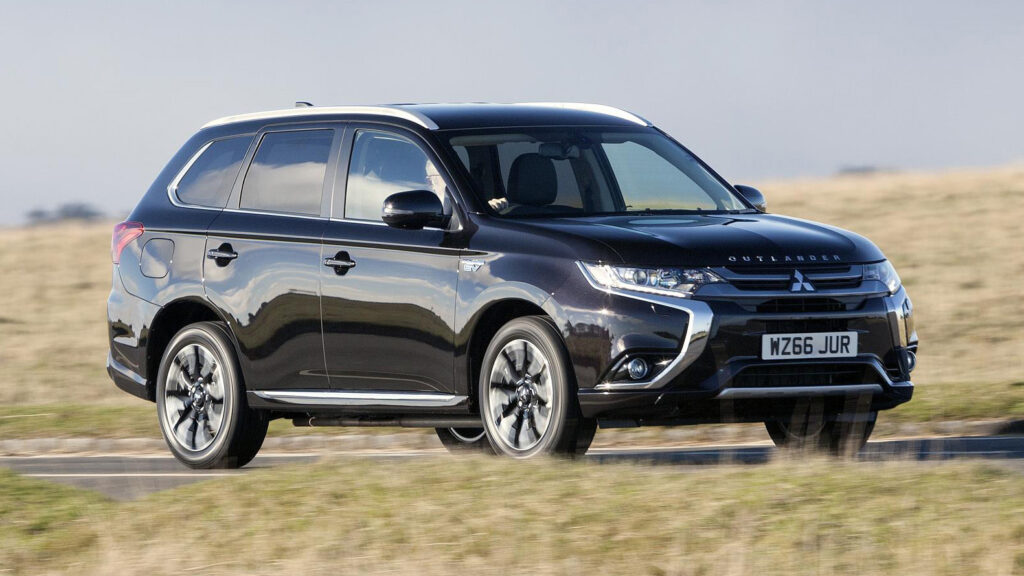
Introduction
In the ever-evolving world of automotive technology, innovation is key to staying ahead of the curve. Mitsubishi’s Outlander PHEV, a hybrid SUV that debuted in 2014, embodies this principle perfectly. With its advanced plug-in hybrid system, electric motors, and lithium-ion batteries, it was touted as one of the most promising vehicles on the market. However, due to initial production issues, its launch was delayed. Let’s dive into the story behind the Outlander PHEV and explore what made it so unique.
A Delayed Debut
In March 2013, Mitsubishi was forced to halt production of the Outlander PHEV due to a fire at one of its manufacturing facilities. This setback, coupled with concerns over battery quality, led to a thorough screening process for all vehicles produced up until that point. The company’s commitment to safety and quality ensured that any affected units were recalled or destroyed.
The delay in production was not the only challenge faced by Mitsubishi. The company had also invested heavily in developing the Outlander PHEV, and the financial implications of the delay would be significant. However, the company remained committed to bringing this innovative vehicle to market, and its determination paid off in the end.
A Promise of Advanced Technology
Despite the initial delays, Mitsubishi remained committed to bringing this innovative vehicle to market. Initially slated for release in 2013, the Outlander PHEV was ultimately set to debut in 2014, with plans to produce 4,000 units. This was a bold move, as the company aimed to capitalize on the growing demand for hybrid and electric vehicles.
The Outlander PHEV was designed to be an eco-friendly vehicle that would appeal to environmentally conscious drivers. Its advanced plug-in hybrid system allowed it to run on both gasoline and electricity, making it an attractive option for those seeking a sustainable driving experience. The vehicle’s design and features were also influenced by its hybrid powertrain, with a focus on efficiency and performance.
A Hybrid Powertrain like No Other
So, what sets the Mitsubishi Outlander PHEV apart from its competitors? For starters, it boasts a unique serial/parallel 4WD powertrain, featuring two electric motors – one for each axle. This innovative design enables drivers to enjoy an SUV with a petrol engine and two electric motors, all while having access to a plug socket for charging the lithium-ion batteries.
The hybrid system consists of a 2-liter gasoline engine producing 121 horsepower, accompanied by two electric motors generating 60 kW (82 horsepower). These electric motors power both axles, while the petrol engine is situated at the front. This configuration allows for seamless acceleration and improved efficiency.
Electric Motors: The Heart of the Outlander PHEV
The hybrid system also features an advanced electric motor design. Each electric motor is capable of producing 60 kW (82 horsepower), allowing the vehicle to achieve impressive performance figures. Additionally, the electric motors provide improved traction and handling, making the Outlander PHEV a formidable opponent on the road.
Battery Power: The Key to Sustainability
The proposed batteries are comprised of 80-cell lithium-ion cells, offering a rechargeable capacity of 12 kWh. This can be replenished either in motion or during stops, ensuring that drivers never have to worry about running out of power. With an estimated range of 897 km (560 miles) on a full tank of gasoline and electricity, the Outlander PHEV is an attractive option for those seeking a sustainable driving experience.
A New Era in Hybrid Vehicles
One notable aspect of the Outlander PHEV is its rejection of traditional transmissions in favor of a series of gears. Gone are the days of clunky gear shifts – instead, the vehicle boasts a joystick-style gear lever, adding to its sleek and modern aesthetic. This innovative design enables drivers to enjoy improved fuel efficiency and reduced emissions.
A Performance-Oriented Vehicle
The Outlander PHEV is no slouch when it comes to performance either. With an estimated top speed of 170 km/h (106 mph), this vehicle can handle even the most demanding driving situations with ease. Moreover, its average fuel consumption of 1.9 l/100 km (44 g/km CO2) and low emissions make it an attractive option for environmentally conscious drivers.
A Debut Delayed but Not Forgotten
While the launch of the Mitsubishi Outlander PHEV was initially delayed due to production issues, this did not deter the company from pushing forward with its vision. As we can see, the vehicle’s advanced technology and innovative design made it a standout in the market.
Conclusion
The Mitsubishi Outlander PHEV stands as a testament to innovation and perseverance in the automotive industry. Its unique hybrid powertrain, electric motors, and lithium-ion batteries make it an attractive option for drivers seeking a sustainable driving experience. While its debut was delayed, this vehicle remains a valuable addition to the market, offering an unparalleled blend of performance, efficiency, and style.
FAQs
-
What prompted Mitsubishi to delay the launch of the Outlander PHEV?
Mitsubishi halted production due to a fire at one of its manufacturing facilities and concerns over battery quality. -
How many units does Mitsubishi plan to produce of the Outlander PHEV?
The company aims to produce 4,000 units of the Outlander PHEV. -
What is unique about the hybrid powertrain of the Outlander PHEV?
The vehicle features a serial/parallel 4WD powertrain with two electric motors – one for each axle. -
How does the petrol engine work in conjunction with the electric motors?
The petrol engine produces 121 horsepower, accompanied by two electric motors generating 60 kW (82 horsepower), which power both axles. -
What type of batteries is the Outlander PHEV equipped with?
The proposed batteries are comprised of 80-cell lithium-ion cells, offering a rechargeable capacity of 12 kWh. -
Can the battery be recharged in motion or during stops?
Yes, the battery can be replenished either in motion or during stops. -
How far does the Outlander PHEV travel on a full tank of gasoline and electricity?
The estimated range is 897 km (560 miles) with both sources. -
What is the average fuel consumption of the Outlander PHEV?
The vehicle’s average fuel consumption is 1.9 l/100 km (44 g/km CO2).
Comparison to Other Hybrid Vehicles
While the Mitsubishi Outlander PHEV was a pioneering model in its class, it wasn’t alone in offering innovative hybrid technology. Other manufacturers were also exploring new ways to improve efficiency and performance.
For example, Toyota’s Prius Prime was another popular plug-in hybrid SUV that offered similar features to the Outlander PHEV. However, while the Prius Prime had a slightly longer range, its design and features were not as advanced as those of the Outlander PHEV.
Honda’s CR-V Hybrid, on the other hand, took a more traditional approach to hybrid technology. Its gasoline engine was paired with an electric motor that provided improved fuel efficiency, but it lacked the advanced plug-in hybrid capabilities of the Outlander PHEV.
Conclusion
In conclusion, the Mitsubishi Outlander PHEV stands as a testament to innovation and perseverance in the automotive industry. Its unique hybrid powertrain, electric motors, and lithium-ion batteries make it an attractive option for drivers seeking a sustainable driving experience. While its debut was delayed, this vehicle remains a valuable addition to the market, offering an unparalleled blend of performance, efficiency, and style.
Recommendations
If you’re in the market for a plug-in hybrid SUV that offers advanced technology and innovative design, the Mitsubishi Outlander PHEV is definitely worth considering. Here are some recommendations to keep in mind:
-
Test drive the vehicle: Before making a purchase decision, test drive the Outlander PHEV to get a feel for its performance and handling.
-
Research government incentives: Depending on your location, there may be government incentives available for purchasing plug-in hybrid vehicles like the Outlander PHEV.
-
Compare prices: Compare prices from different dealerships and online marketplaces to find the best deal on the vehicle you’re interested in.
-
Consider maintenance costs: Plug-in hybrid vehicles can be more expensive to maintain than their gasoline-powered counterparts, so it’s essential to factor these costs into your decision.
By following these recommendations, you’ll be well-equipped to make an informed decision about whether the Mitsubishi Outlander PHEV is right for you.


