
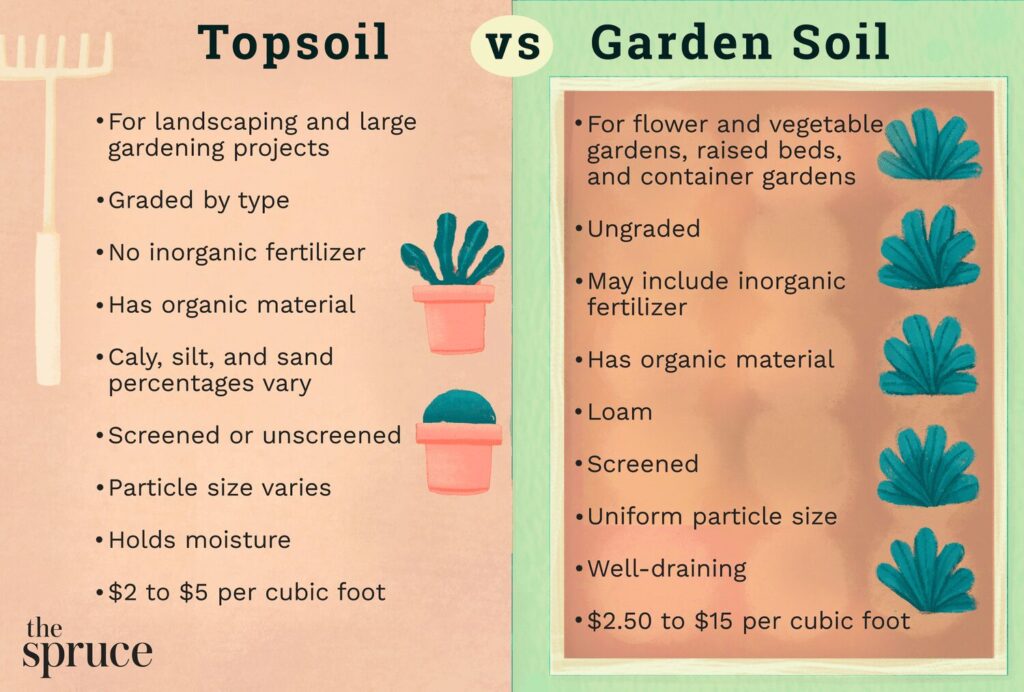
Choosing the Right Soil for Your Garden: A Comprehensive Guide
Before starting your garden, it’s essential to understand the quality and characteristics of the soil. This knowledge will help you make necessary adjustments to create a suitable environment for your plants. In this article, we’ll delve into the world of soils, exploring their types, common mistakes, and the importance of understanding your soil type.
Understanding Soil Types: A Beginner’s Guide
When digging into the earth, feel the texture of the soil. This simple test can reveal the type of soil you’re working with:
- Argillous Soil: Characterized by its compactness and stickiness, this soil contains organic matter and nutrients but tends to dry out quickly, leading to waterlogged conditions. To improve argillous soil, add sand, peat moss, and organic matter.
- Limosine Soil: Hard, dense, and challenging to work with, limosine soil needs additional organic material and regular aeration to prevent compacting.
- Sandy Soil: Dry and prone to erosion, sandy soil lacks nutrients and water retention. To balance this out, mix in some clay-rich soil or compost.
- Well-Struck Soil: With a balanced composition of 60% sand, 20-30% loam, and less than 15% clay, plus a small amount of organic matter, well-struck soil is ideal for gardening. It provides the necessary nutrients for plant growth.
Understanding Soil pH
Soil pH is another critical factor to consider when selecting a location for your garden. A balanced pH range between 6.0 and 7.0 is ideal for most plants. However, some plants prefer acidic or alkaline conditions. Understanding your soil’s pH level will help you choose the right plants for your garden.
Common Mistakes to Avoid
Many gardeners overlook the importance of understanding their soil type. By failing to do so, they risk creating an environment that’s detrimental to their plants’ health. Some common mistakes include:
- Not considering the soil type when selecting a location
- Failing to prepare the soil adequately before planting
Why Understanding Soil Matters
A well-prepared soil is essential for healthy plant growth. It provides the necessary nutrients, water, and oxygen for your plants to thrive. By taking the time to understand your soil type, you can create an environment that supports the health and well-being of your garden.
By following these guidelines, you’ll be well on your way to creating a thriving garden that’s tailored to your specific soil needs.
8 FAQs Related to Choosing the Right Soil for Your Garden
- What is the most common type of soil found in gardens?
- How can I improve argillous soil?
- Why is it essential to prepare the soil before planting?
- What are some common mistakes gardeners make when selecting a soil type?
- How do I determine my soil’s pH level?
- Can sandy soil be used for gardening?
- What is the ideal composition of well-struck soil?
- How often should I test my soil to ensure it remains healthy?
By understanding your soil and taking steps to improve its quality, you’ll be rewarded with a bountiful harvest and a thriving garden that brings joy to your life.
Additional Tips for Creating an Optimal Soil Environment
- Add Organic Matter: Incorporate compost, manure, or peat moss into your soil to provide essential nutrients and improve its structure.
- Use Mulch: Mulching helps retain moisture, suppress weeds, and regulate soil temperature. Choose a mulch that complements your soil type and plants’ needs.
- Avoid Over-Tilling: Excessive tilling can damage the soil’s structure and lead to erosion. Use a gentle tilling method or consider no-till gardening techniques.
In conclusion, choosing the right soil for your garden is crucial for creating an optimal environment for plant growth. By understanding your soil type, avoiding common mistakes, and taking steps to improve its quality, you’ll be well on your way to growing a thriving and productive garden.


