
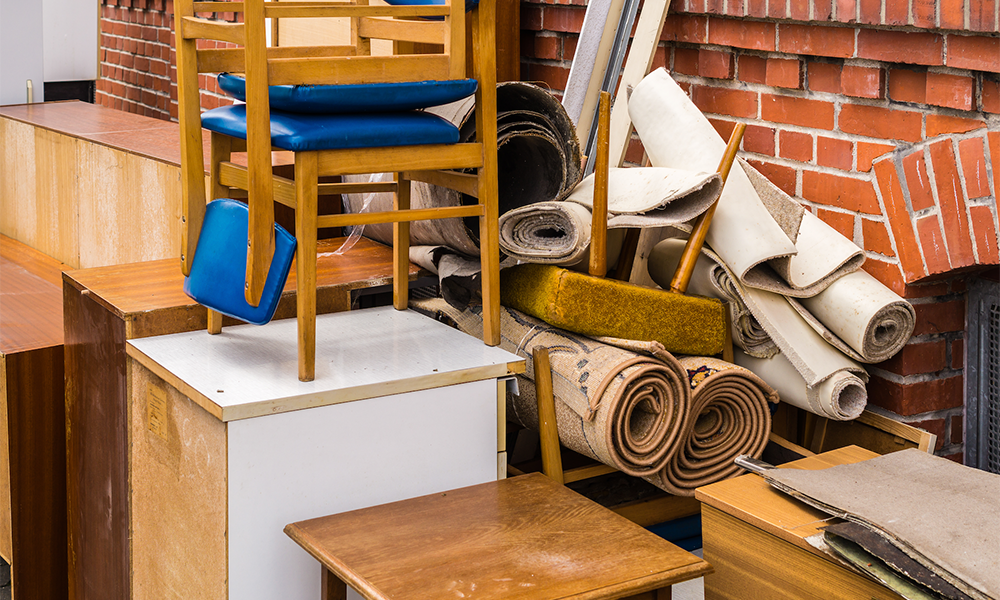
As we navigate the complexities of sustainability, it’s becoming increasingly clear that our approach to waste management needs a drastic overhaul. One innovative solution is the resurgence of “upcycled” home decor, where discarded materials are transformed into stunning pieces that not only reduce waste but also add a touch of elegance to any room.
What is Upcycled Home Decor?
Upcycled home decor is more than just a trendy design movement – it’s a bold statement about the value we place on sustainability. By repurposing materials from various sources, including industrial waste and personal scraps, creators are giving old items a new life. This process not only reduces the environmental impact of our consumption habits but also fosters creativity and resourcefulness.
The Art of Transformation
The art of upcycling is all about transformation – taking discarded materials and turning them into something entirely new and beautiful. It’s a process that requires patience, imagination, and a deep understanding of the material being worked with. Whether it’s an old skateboard transformed into a coffee table or a vintage door turned into a stunning headboard, every piece is a testament to the power of creativity and innovation.
Eco-Friendly Design: A New Standard for Luxury
In recent years, eco-friendly design has become increasingly popular, particularly among luxury brands. By incorporating sustainable materials and practices into their design process, companies like Essent’ial are redefining the concept of high-end fashion. Their new line, Eco by Essent’ial, features stunning pieces made from recycled materials, including an exquisite poltrona that boasts a 250-euro price tag.
The Mastermind Behind Upcycled Home Decor
One designer who has made a name for himself in the world of upcycled home decor is Kellam Clark. Through his innovative approach to material reuse, he’s created entire living spaces using nothing but discarded materials. His attention to detail and commitment to sustainability have earned him recognition as a pioneer in this field.
The Double-Edged Sword of Upcycling
While upcycling has the potential to revolutionize the way we think about waste management, it also raises important questions about consumerism and material excess. As demand for eco-friendly products continues to grow, so too does the price tag – making luxury items like the Essent’ial poltrona a true status symbol.
Getting Involved: How You Can Start Upcycling Today
If you’re ready to join the upcycling revolution, here are some simple ways to get started:
- Repurpose old furniture or materials in your home
- Experiment with new techniques and materials
- Share your creations on social media using #upcycle
Frequently Asked Questions
Q: What makes upcycled home decor unique?
A: Upcycled home decor is unique because it’s created from discarded materials that would otherwise end up in landfills. This process not only reduces waste but also fosters creativity and resourcefulness.
Q: Can I make money by selling upcycled items?
A: Yes, many people have successfully turned their upcycling skills into a business, selling unique pieces online or at local markets.
Q: How do I get started with upcycling?
A: Start by repurposing old furniture or materials in your home. Experiment with new techniques and materials to develop your skills.
Q: Is upcycling only for the environmentally conscious?
A: No, upcycling is for anyone who wants to add a personal touch to their space while reducing waste.
The Rise of Sustainable Materials
In recent years, sustainable materials have become increasingly popular in home decor. From reclaimed wood to recycled glass, these materials offer a natural and eco-friendly alternative to traditional materials. By incorporating sustainable materials into our design process, we can significantly reduce the environmental impact of our homes.
The Role of Technology in Upcycling
Technology has played a significant role in the upcycling movement, enabling creators to access new tools and techniques that make the process easier and more efficient. 3D printing, for example, allows designers to create complex shapes and structures using recycled materials. Robotics and automation have also improved the efficiency of upcycling processes, making it possible to transform discarded materials into functional pieces with greater speed and accuracy.
The Cultural Significance of Upcycled Home Decor
Upcycled home decor has become a cultural phenomenon, reflecting our changing values and priorities as a society. It’s no longer just about reducing waste; it’s also about celebrating creativity and resourcefulness. By embracing upcycling as an art form, we’re sending a powerful message about the importance of sustainability and environmental stewardship.
The Business Potential of Upcycled Home Decor
The market for upcycled home decor is growing rapidly, with consumers increasingly seeking out unique and eco-friendly products. Companies like Essent’ial are capitalizing on this trend, offering luxury items made from recycled materials that appeal to a wide range of consumers. By tapping into the business potential of upcycling, we can create jobs, stimulate local economies, and promote sustainable practices.
Conclusion
The revival of home decor through upcycling is a powerful movement that’s transforming the way we think about waste management and sustainability. By embracing this trend, we’re not only reducing our environmental impact but also creating unique and beautiful pieces that reflect our values and priorities as a society. Whether you’re a seasoned crafter or just starting out, there’s never been a better time to join the upcycling revolution.
Additional Resources
- “The Upcycle: How Recycling Works and Why We Need It” by William McDonough
- “Upcycle!: Transform Your Waste into Treasure at Home” by Janeen C. Irwin
- The Sustainability Hub: A Guide to Sustainable Living
By embracing the world of upcycled home decor, we can create a more sustainable future for ourselves and for generations to come.


