
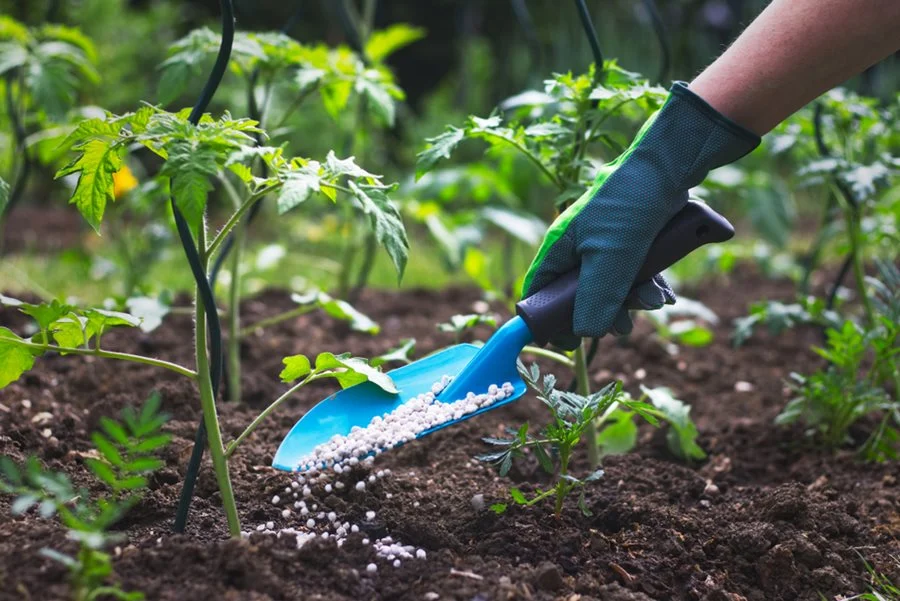
As a gardener, preparing the soil is an essential step in creating a productive and thriving garden. Our crops absorb essential nutrients from the soil, including nitrogen, phosphorus, potassium, calcium, magnesium, and sulfur. Repeated cultivation and harvesting deplete the soil of these nutrients, making it necessary to replenish them through fertilization.
In this article, we will guide you on how to prepare your soil for a productive garden, providing useful tips and tricks to help you get started. Whether you’re a seasoned gardener or just starting out, understanding the importance of soil preparation is crucial for achieving success in your gardening endeavors.
What You Need to Prepare Your Soil
Before beginning, make sure you have the following tools:
- Gloves (guants): Protect your hands from thorns, prickles, and other sharp objects that may be present in the soil.
- Vanga (a type of shovel): A vanga is a long-handled shovel used for digging and cultivating the soil. It’s essential for breaking up clods and aerating the soil.
- Rastrello (a rake): A rake is used to remove weeds, debris, and other unwanted materials from the soil. It also helps to level the soil surface.
- Piccone (an axe or hatchet): An axe or hatchet can be useful for chopping down any trees or branches that may be obstructing your garden.
- Pala (a spade): A spade is a flat, broad tool used for turning over the soil and creating holes for planting.
- Concime (fertilizer): Fertilizer is essential for replenishing nutrients in the soil. There are many types of fertilizers available, including organic and chemical-based options.
The Soil Preparation Process
Here’s a step-by-step guide on how to prepare your soil:
- Dig the Soil: Use your vanga to dig into the soil, about 20-30 centimeters deep. This will help loosen any compacted layers and allow you to assess the soil’s structure.
- Remove Weeds and Debris: Turn over the soil, removing any weeds and debris that may be competing with your plants for nutrients. Use your rake or spade to remove weeds by their roots, taking care not to damage surrounding plants.
- Till the Soil: Use a rake or spade to break up any clods of soil and aerate it, allowing air and water to penetrate. Till the soil gently but thoroughly to avoid compacting it further.
- Add Fertilizer: Sprinkle fertilizer evenly over the soil, mixing it in thoroughly. Follow the manufacturer’s instructions for application rates and guidelines.
- Wait for the Magic to Happen: Allow the soil to absorb the nutrients from the fertilizer, which may take several weeks. This will depend on factors such as climate, soil type, and crop selection.
Types of Fertilizers
When choosing a fertilizer, there are two primary options:
- Manure: The best type of manure is equine (horse), followed by bovine (cow) and poultry. Manure is rich in nutrients and can improve soil structure.
- Compost: Compost is an excellent alternative to manure, providing essential nutrients while also improving soil friability.
Tips for Successful Soil Preparation
Here are some additional tips to keep in mind:
- Always wear gloves when working with your hands, avoiding painful blisters and cuts. Gardening can be a dirty business!
- Avoid over-working the soil, as this can strain your back. Use a gentle, sweeping motion instead.
- If the soil is too wet, wait until it dries out before proceeding. This will help prevent erosion and ensure that you’re working with a stable, workable surface.
- Consider composting any kitchen scraps or yard waste to create nutrient-rich fertilizer for your garden.
- Test your soil regularly to determine its pH level and nutrient content. This will help you make informed decisions about fertilization and other gardening practices.
Understanding Soil Structure
Soil structure refers to the arrangement of particles within the soil, including sand, silt, and clay. Different soil structures can affect how well they drain, retain water, and support plant growth. Here are some key factors to consider:
- Sandy Soils: Sandy soils drain quickly but may lack nutrients and organic matter.
- Clay Soils: Clay soils hold moisture but can be dense and prone to waterlogging.
- Loamy Soils: Loamy soils offer a balanced mix of sand, silt, and clay particles, making them ideal for most gardening applications.
Soil pH and Nutrient Levels
Soil pH and nutrient levels are crucial factors in determining the health and productivity of your garden. Here’s what you need to know:
- pH Level: The pH level of your soil affects how well it can retain nutrients and support plant growth. Most vegetables prefer a slightly acidic to neutral soil pH (around 6.0-7.0).
- Nutrient Levels: Soil nutrient levels determine the availability of essential minerals for plant growth. These include nitrogen, phosphorus, potassium, calcium, magnesium, and sulfur.
Common Soil Problems
Soil problems can arise due to various factors, including poor soil structure, inadequate fertilization, or pests and diseases. Here are some common issues you may encounter:
- Compaction: Compacted soils can prevent water and air from penetrating, leading to root rot and other problems.
- Erosion: Eroded soils can lead to soil loss and nutrient depletion.
- Pests and Diseases: Soil-borne pests and diseases can affect plant growth and productivity.
Conclusion
Preparing your soil for a productive garden requires careful attention to detail and a few essential tools. By following these steps and tips, you’ll be well on your way to creating a thriving and fruitful garden. Remember to test your soil regularly, choose the right fertilizer for your needs, and take care of common soil problems.
Frequently Asked Questions (FAQs)
- What is the best fertilizer for my soil?
- The best fertilizer for your soil depends on its specific needs. Consult with a gardening expert or conduct a soil test to determine the best course of action.
- How often should I fertilize my soil?
- Fertilize your soil every 4-6 weeks during the growing season, and once a year in the off-season.
- What happens if I over-fertilize my soil?
- Over-fertilization can lead to an imbalance of nutrients in your soil, potentially harming your plants. Avoid using excessive amounts of fertilizer.
- Can I use compost tea instead of regular compost?
- Yes, compost tea is a nutrient-rich liquid solution made by steeping compost in water. It’s an excellent alternative to regular compost.
- How do I test the pH level of my soil?
- Use a soil testing kit or consult with a gardening expert to determine your soil’s pH level and adjust accordingly.
- Can I use manure from other animals on my garden?
- No, it’s best to use manure from animals that are specifically raised for their waste (e.g., horses, cows, chickens). Other types of animal waste may contain pathogens or contaminants.
- How long does it take for soil to replenish nutrients after fertilization?
- Soil can take anywhere from a few weeks to several months to fully replenish its nutrient levels after fertilization, depending on factors such as climate and crop selection.
- Can I use chemical-based fertilizers instead of organic options?
- While chemical-based fertilizers may provide quick results, they can harm the environment and your plants in the long run. Opt for organic or natural alternatives whenever possible.
By understanding the importance of soil preparation and following these tips and tricks, you’ll be well on your way to creating a thriving and productive garden. Happy gardening!


