
What’s Behind the Muzzle?
As we ponder this seemingly simple question, it becomes clear that canine biting is not always a straightforward issue. While our furry friends may exhibit biting behavior in response to specific stimuli, such as a perceived threat or playfulness, there are instances where their actions seem puzzling – even perplexing.
One of the primary reasons for this enigmatic behavior lies in the dog’s natural instincts and limitations. Since our canine companions cannot use their paws to explore their surroundings, they rely heavily on their mouths to gather information about their environment. This can lead to over-exuberance and excessive biting, especially in young puppies.
Imagine a curious and energetic pup, eager to learn about its world through trial and error. As it navigates its surroundings, the dog may unintentionally inflict harm on people or objects. This phenomenon is particularly common among juvenile dogs, which are still developing their coordination and impulse control.
Another factor contributing to biting behavior is anxiety and stress. Canines, like humans, can experience emotional distress when left alone for extended periods. In such cases, they might resort to destructive behaviors, including biting, as a means of coping with their anxiety.
Anxiety in dogs can stem from various sources, such as changes in the household, separation from owners, or exposure to loud noises. It’s essential to recognize the signs of anxiety in our canine companions and implement strategies to alleviate these feelings, thereby reducing the likelihood of destructive biting.
The Importance of Early Socialization
Early socialization plays a significant role in shaping our canine companions’ behavior and attitudes towards people, objects, and environments. By introducing puppies to various stimuli and experiences from an early age, we can help them develop essential life skills, such as impulse control, self-regulation, and adaptability.
Socialization should begin at a young age, typically within the first 16 weeks of life. During this period, puppies are most receptive to new experiences and can easily form associations between stimuli. As they mature, socialization becomes increasingly crucial in shaping their behavior and interactions with others.
Why Socialization Matters
Proper socialization is vital for several reasons:
- Reduces Fear and Anxiety: By exposing your dog to various environments, people, and objects, you can help them develop a more confident and calm demeanor.
- Promotes Positive Interactions: Socialization helps your dog understand what is expected of them in different situations, reducing the likelihood of misbehavior or aggression.
- Enhances Communication: By introducing your dog to various sounds, sights, and smells, you can improve their communication skills and ability to interact with others.
What Can Be Done? Advice
To address biting behavior, it’s crucial to approach the situation with a clear head and a well-thought-out strategy. Rather than resorting to punitive measures, which may only exacerbate the problem, we should focus on positive reinforcement techniques that encourage desired behaviors.
For instance, when encountering an object or person that triggers biting, we can redirect our dog’s attention towards an alternative toy or activity. By linking the desired behavior to a reward or treat, we can help our canine companions understand what is expected of them.
Positive Reinforcement Techniques
There are several positive reinforcement techniques you can use to address biting behavior:
- Reward Desired Behavior: When your dog exhibits calm or gentle behavior around people or objects, reward them with treats and praise.
- Redirect Aggressive Behavior: If your dog begins to bite, calmly say “no” or “gentle” and redirect their attention towards a suitable toy or activity.
- Provide Adequate Exercise and Stimulation: Ensure your dog receives regular exercise and mental stimulation to reduce stress and anxiety.
What Not to Do
Punishing our dogs for biting can be counterproductive, as they may not fully comprehend the reason behind the reprimand. This approach can lead to increased aggression and mistrust between dog and owner.
Moreover, providing our dogs with appropriate chew toys and materials can help redirect their natural instincts towards more constructive behaviors. By offering a suitable outlet for their energy and curiosity, we can reduce the likelihood of destructive biting.
The Role of Toys in Canine Biting
Accessories specifically designed for canine chewing can be an effective way to redirect biting behavior. These toys are engineered to withstand aggressive chewing and are made from non-toxic materials.
Some popular options include:
- Kong Toys: Made from durable rubber, Kong toys provide a safe outlet for dogs to exercise their natural urge to chew.
- Bully Sticks: These long-lasting chews can help redirect biting behavior and reduce the likelihood of destructive chewing.
- Interactive Puzzle Toys: Designed to challenge dogs mentally, these puzzle toys can keep them occupied and satisfied for extended periods.
By incorporating these toys into our daily routine, we can provide our dogs with a healthy outlet for their natural instincts while minimizing the risk of damage to people, objects, or property.
Preventing Biting Incidents
Prevention is key when it comes to addressing biting behavior. By implementing the following strategies, you can significantly reduce the likelihood of biting incidents:
- Establish Clear Boundaries: Set clear expectations for your dog’s behavior and ensure they understand what is expected of them.
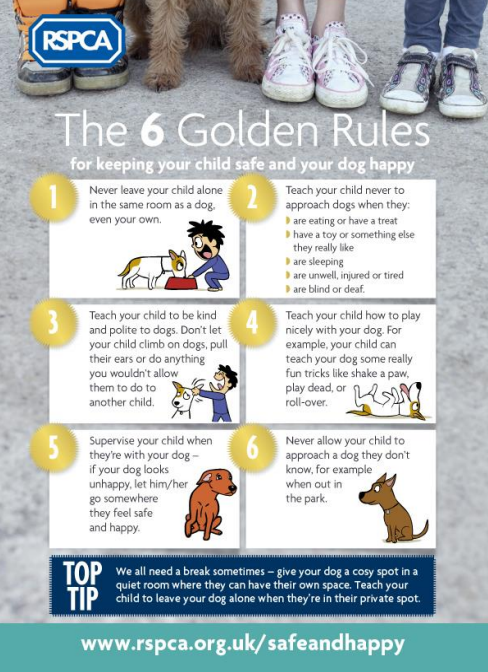
- Supervise Interactions: Always supervise interactions between dogs and people, especially in situations where bites may occur (e.g., playtime or feeding).
- Provide Adequate Training: Invest time and effort into training your dog to respond to basic commands, such as “sit,” “stay,” and “gentle.”
Conclusion
Canine biting is a complex issue that requires patience, understanding, and a thoughtful approach. By recognizing the underlying causes of this behavior – including instinctual needs, anxiety, and stress – we can develop effective strategies for addressing and preventing biting incidents.
Whether you’re an experienced dog owner or still navigating the challenges of canine companionship, it’s essential to stay informed about best practices and techniques for promoting a harmonious relationship between humans and animals.


