
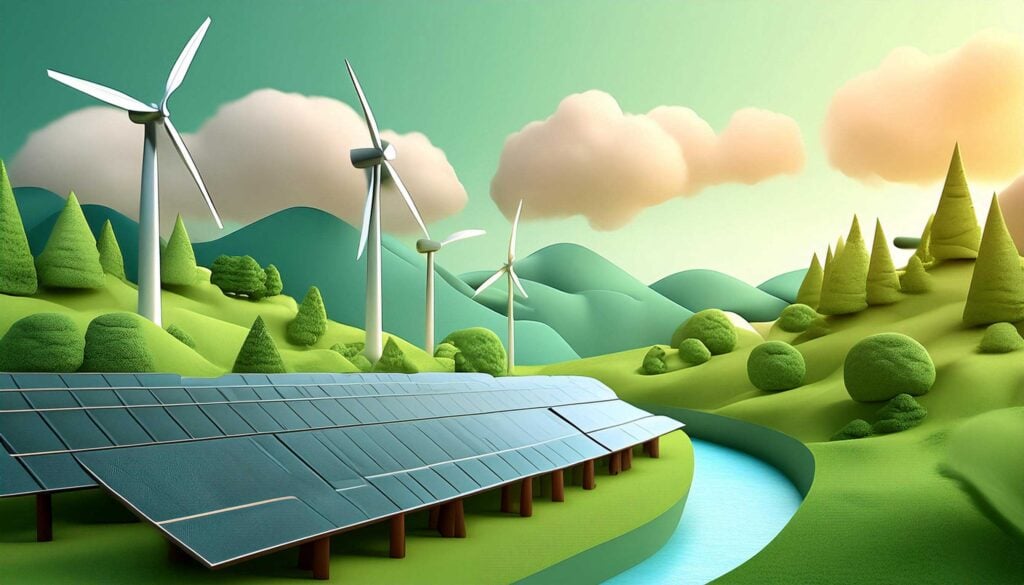
The world is experiencing a full-blown boom in renewable energy, with some predicting a potential slowdown and urging institutions to take corrective action. In fact, the $250 billion invested in renewable energy in 2013 has not gone unnoticed, even if the goals are more ambitious.
Renewable energy has already reached 22% of global electricity production, but the target set for 2020 is over a quarter of total electricity production. To achieve these objectives, it’s crucial to have a strong push from supranational organizations like the European Union, which has bet heavily on its energy policy with the “20/20/20” protocol (a 20% reduction in greenhouse gas emissions, a 20% share of renewable energy, and a 20% improvement in energy efficiency by 2020).
Even energy providers for homes and businesses are increasingly leaning towards environmentally friendly offers, predicting green tariffs entirely derived from renewable sources. For instance, companies like GDF SUEZ Energy support FAI (Fondo Ambiente Italiano) projects through their Green Offer subscribers. The Abbazia di San Fruttuoso in Camogli, the Villa Gregoriana Park in Tivoli, and the Santa Maria di Cerrate Abbey complex in Lecce can benefit from maintenance and restoration costs thanks to user contributions (in total transparency).
The offers based on renewable energy are complemented by those that aim to reduce energy consumption, such as Illumia’s Energia Semplice offering a LED lamp kit worth €200, which saves around €100 per year. Other green offers include Hera Comm’s Prezzo Netto Natura Web, Enel’s E-light Verde, A2A Energy’s Prezzo Sicuro Verde, and Acea Energia’s Acea Viva. With IdeeGreen’s tariff comparer, it’s possible to compare them to choose the most convenient one based on your consumption profile.
The Importance of Renewable Energy
Renewable energy has become a vital component of our global energy mix, and its importance cannot be overstated. As we continue to rely more heavily on renewable energy sources, we must also consider the impact it has on our environment and our communities.
In this article, we will explore the world of renewable energy, discussing the latest trends, technologies, and innovations that are driving the transition towards a more sustainable future. We’ll delve into the different types of renewable energy, their benefits and limitations, and how they can be integrated into our daily lives.
The Benefits of Renewable Energy
Renewable energy offers numerous benefits for both individuals and society as a whole. Some of the most significant advantages include:
• Reduced greenhouse gas emissions: Renewable energy sources like solar and wind power do not emit greenhouse gases, which contribute to climate change.
• Lower energy costs: Renewable energy can save consumers money on their energy bills, especially in areas with high energy prices.
• Improved air quality: Renewable energy reduces air pollution, improving the health and well-being of communities.
• Job creation: The renewable energy industry is creating new job opportunities in manufacturing, installation, and maintenance.
The Types of Renewable Energy
There are several types of renewable energy, each with its unique characteristics and benefits. Some of the most common types include:
Solar Energy
Solar energy harnesses the power of sunlight to generate electricity. It’s a clean and abundant source of energy that can be used for both residential and commercial purposes.
Wind Energy
Wind energy uses wind turbines to convert kinetic energy into electricity. It’s a reliable and efficient source of renewable energy, especially in coastal areas with strong winds.
Hydro Energy
Hydro energy leverages the power of moving water to generate electricity. It’s a highly efficient source of renewable energy, but its availability can be limited by geographical location.
Geothermal Energy
Geothermal energy taps into the heat from the Earth’s core to generate electricity. It’s a reliable and constant source of renewable energy, especially in areas with high geothermal activity.
The Future of Renewable Energy
As we look to the future, it’s clear that renewable energy will play an increasingly important role in our global energy mix. With technological advancements and decreasing costs, renewable energy is becoming more accessible and affordable for individuals and businesses alike.
In this article, we’ll explore the latest trends and innovations in renewable energy, discussing how they’re driving the transition towards a more sustainable future. We’ll also examine the impact of renewable energy on our environment and communities, highlighting the benefits and challenges associated with its adoption.
Case Studies: Renewable Energy in Action
To illustrate the importance of renewable energy, let’s take a look at some real-world examples:
- The Abbazia di San Fruttuoso in Camogli is powered entirely by solar energy, reducing its carbon footprint and energy costs.
- The Villa Gregoriana Park in Tivoli uses geothermal energy to power its facilities, minimizing its impact on the environment.
- Illumia’s Energia Semplice offering has helped households reduce their energy consumption and save money on their bills.
These case studies demonstrate how renewable energy can be integrated into our daily lives, reducing our reliance on fossil fuels and promoting a more sustainable future.
Consequences of Climate Change
Climate change is one of the most pressing issues of our time. It’s caused by human activities that release greenhouse gases into the atmosphere, leading to rising temperatures and extreme weather events. To mitigate these effects, it’s essential to adopt renewable energy sources and reduce our carbon footprint.
The good news is that renewable energy can help us achieve this goal. By transitioning towards a more sustainable energy mix, we can reduce our reliance on fossil fuels and lower greenhouse gas emissions. This, in turn, can help slow down global warming and protect the planet for future generations.
Challenges and Limitations
While renewable energy offers numerous benefits, it’s not without its challenges and limitations. Some of the most significant obstacles include:
• Intermittency: Renewable energy sources like solar and wind power are intermittent, meaning they’re not always available when we need them.
• Energy storage: The lack of effective energy storage solutions can make it difficult to store excess energy generated by renewable sources.
• Infrastructure: The development of new infrastructure is necessary to support the widespread adoption of renewable energy.
Despite these challenges, researchers and policymakers are working tirelessly to overcome them. By investing in research and development, improving energy storage technologies, and promoting grid modernization, we can create a more sustainable energy future.
The Way Forward
To achieve our goal of transitioning towards a more sustainable energy mix, it’s essential to take action now. This includes:
• Investing in renewable energy infrastructure: Governments and companies must invest in new infrastructure to support the widespread adoption of renewable energy.
• Promoting green technologies: Policymakers should incentivize the development of green technologies and encourage businesses to adopt them.
• Educating consumers: It’s crucial to educate consumers about the benefits of renewable energy and provide them with tools to make informed decisions.
By working together, we can create a more sustainable future for all. Renewable energy is no longer just a niche market; it’s becoming the mainstream way to generate electricity. As we continue to transition towards a more sustainable future, it’s essential to consider the benefits and challenges associated with renewable energy.
In this article, we’ve explored the world of renewable energy, discussing the latest trends, technologies, and innovations that are driving the transition towards a more sustainable future. We’ve also examined the impact of renewable energy on our environment and communities, highlighting the benefits and challenges associated with its adoption.
As we move forward, it’s clear that renewable energy will play an increasingly important role in our global energy mix. By understanding the benefits and limitations of renewable energy, we can work towards creating a more sustainable future for generations to come.
References
- European Union. (2020). 20/20/20: A Vision for a Sustainable Europe.
- International Renewable Energy Agency (IRENA). (2020). Global Renewables Outlook.
- National Renewable Energy Laboratory (NREL). (2020). Renewable Energy Data Book.
- International Energy Agency (IEA). (2020). Global Energy Review 2020.


