
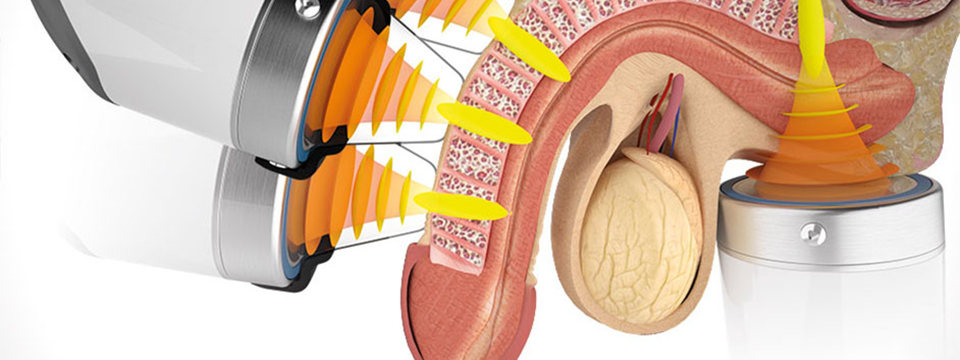
Shock wave therapy is a non-invasive treatment that uses high-energy shock waves to target specific areas of the body. This technology has been widely used in various medical fields, including urology, orthopedics, physiatrics, and rehabilitation.
Understanding Shock Wave Therapy
Shock wave therapy, also known as extracorporeal shock wave lithotripsy (ESWL), is a non-invasive treatment that uses high-energy shock waves to target specific areas of the body. This technology has been widely used in various medical fields, including urology, orthopedics, physiatrics, and rehabilitation.
The History of Shock Wave Therapy
Shock wave therapy has been around for decades, with its origins dating back to the 1960s. Initially, it was used to treat kidney stones, but over time, its applications have expanded to other areas, such as musculoskeletal disorders and skin conditions.
How Shock Waves Work
When applied to specific tissues, shock waves cause micro-trauma, which triggers a healing response in the body. This process is believed to stimulate collagen synthesis, improve circulation, and reduce inflammation. The effects of shock wave therapy can be attributed to its ability to:
- Stimulate tissue repair and regeneration
- Improve microcirculation and blood flow
- Reduce inflammation and pain
- Enhance the removal of waste products
The Role of Shock Wave Therapy in Treating Cellulite
Cellulite is a common skin condition characterized by dimpling, sagging, or puffiness of the skin. While there is no cure for cellulite, shock wave therapy has gained popularity as a non-invasive treatment option. The treatment involves applying shock waves to the affected area, which stimulates collagen production and improves skin elasticity.
The Science Behind Shock Wave Therapy
When shock waves are applied to the skin, they create micro-bursts of energy that penetrate deep into the tissue. This triggers a series of cellular responses, including:
- Increased collagen synthesis
- Improved blood flow and circulation
- Enhanced lymphatic drainage
These effects contribute to improved skin texture, reduced cellulite appearance, and enhanced overall skin health.
Shock Wave Therapy: A Holistic Approach
Beyond its cosmetic benefits, shock wave therapy has been recognized for its potential in treating a range of musculoskeletal disorders. By stimulating tissue repair and improving circulation, shock waves can help alleviate pain and inflammation associated with conditions like tendinitis, bursitis, and fibromyalgia.
The Future of Shock Wave Therapy
As research continues to uncover the full potential of shock wave therapy, it’s clear that this technology has a bright future ahead. With its non-invasive nature, affordability, and effectiveness in treating a range of conditions, shock wave therapy is poised to become a mainstream treatment option for decades to come.
Frequently Asked Questions
Q: Is shock wave therapy safe?
A: Shock wave therapy is generally considered safe when performed by trained professionals. However, as with any medical treatment, there are potential risks and side effects, such as skin bruising or temporary pain.
Q: How does shock wave therapy work on cellulite?
A: Shock waves stimulate collagen production, improve blood flow, and enhance lymphatic drainage, leading to improved skin texture and reduced cellulite appearance.
Q: Can I use a home device for shock wave therapy?
A: While there are some affordable options available online, it’s essential to consult with a healthcare professional before using any home device for shock wave therapy. They can help determine the best course of treatment and ensure safe use.
Q: Is shock wave therapy covered by insurance?
A: Coverage varies depending on insurance providers and specific conditions being treated. It’s best to check with your insurance provider to determine coverage and out-of-pocket costs.
Q: How many sessions are required for optimal results?
A: The number of sessions required for optimal results depends on the condition being treated, individual response, and treatment protocol. A healthcare professional can help determine the most effective treatment plan.
Q: Are there any potential side effects or risks associated with shock wave therapy?
A: As with any medical treatment, there are potential risks and side effects, such as skin bruising, temporary pain, or infection. A healthcare professional will discuss these risks and benefits before starting treatment.
Conclusion
Shock wave therapy is a non-invasive treatment that has gained popularity in recent years due to its potential in treating a range of conditions, including cellulite, musculoskeletal disorders, and more. By understanding how shock waves work and their benefits, individuals can make informed decisions about incorporating this technology into their healthcare routine.
Additional Resources
If you’re interested in learning more about shock wave therapy or would like to explore treatment options, consider the following resources:
- American Physical Therapy Association (APTA)
- National Institute of Arthritis and Musculoskeletal and Skin Diseases (NIAMS)
- Shock Wave Therapy: A Guide for Patients


