
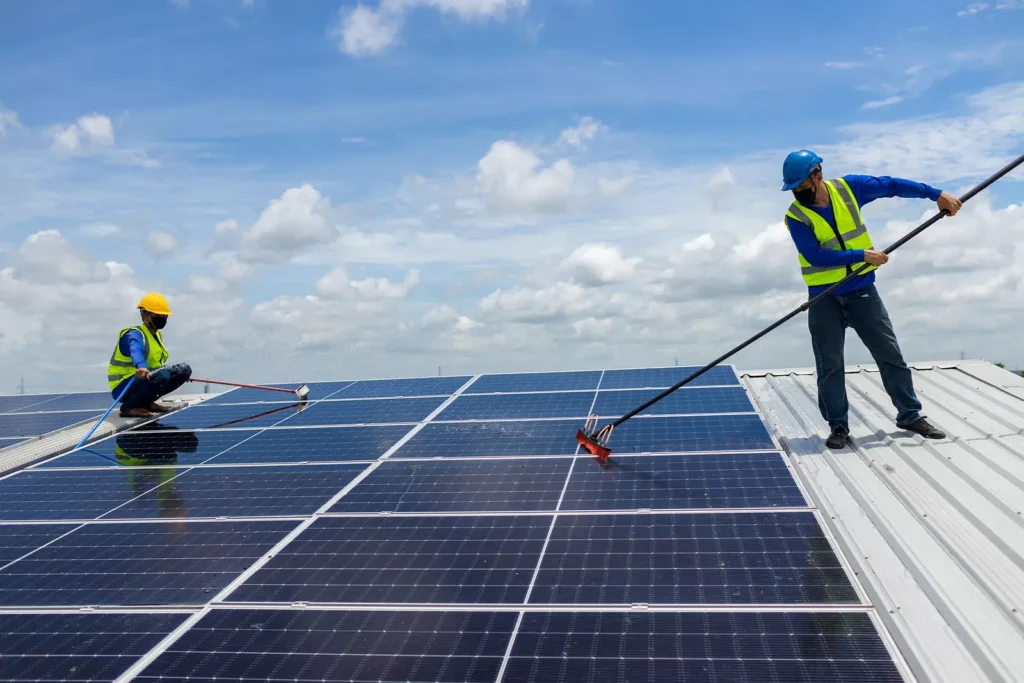
As the sun shines bright, it’s easy to assume that maintenance of solar panels is a breeze. However, neglecting regular upkeep can lead to costly repairs and reduced efficiency. In this article, we’ll delve into the importance of maintaining your solar panel system, discuss best practices for routine checks, and provide guidance on choosing the right cleaning tools.
Why Regular Maintenance Matters
While it’s true that rain can do a lot of the “dirty work” for you, regular maintenance is crucial to ensure your solar panel system operates at its best. Neglecting checks can lead to:
- Reduced energy production: Dirt, dust, and debris on panels can block sunlight and decrease energy output.
- Increased wear and tear: Failure to inspect and clean panels can cause damage from weather conditions, pests, or human error.
Understanding Solar Panel Components
Before we dive into maintenance best practices, it’s essential to understand the components of a solar panel system:
- Solar Panels: The photovoltaic (PV) cells that convert sunlight into electricity.
- Mounting System: The structure that holds the solar panels in place, including brackets and rails.
- Inverters: Devices that convert DC power from the solar panels to AC power for your home or business.
- Charge Controller: A device that regulates the flow of energy between the solar panels and battery bank.
Annual System Checks
Perform a thorough system check every year, especially in areas with heavy snowfall. This includes:
- Inspecting the mounting system: Verify that the foundation is secure and the brackets are tight.
- Checking for signs of damage: Look for cracks, dents, or other physical damage to panels or supporting structures.
- Monitoring performance: Use monitoring tools to track energy production and identify any potential issues.
Regular Cleaning Practices
Cleaning your solar panels regularly can help maintain their efficiency:
- Daily Inspection: Quickly inspect the panels for debris, such as leaves or bird droppings.
- Weekly Cleaning: Use a soft-bristled brush or a cleaning solution to remove dirt and grime from the panels.
- Bi-Monthly Inspections: Perform more thorough inspections of the mounting system and inverters.
Debunking Common Myths
- Myth: Rain does all the cleaning.
- Reality: While rain can clean some debris, it’s not enough to keep your system spotless. Regular inspections are still necessary.
- Myth: You don’t need to worry about snow in areas with heavy snowfall.
- Reality: Snow and ice can accumulate on panels, causing damage or blocking sunlight. Ensure you have a plan for clearing snow from your solar panel system.
Comparing Performance: Monitoring Data
If you don’t have central monitoring, compare performance data between your system and neighboring homes to identify potential issues. Online databases can also provide valuable insights into system performance and help you make informed decisions about maintenance.
Solar Panel Installation in Agricultural or Rural Areas
If you live in an agricultural or rural area, be aware that your solar panel installation may require extra care:
- Clean up debris: Regularly remove pollens, leaves, bird droppings, and other debris from the panels.
- Conduct visual inspections: Periodically inspect the panels for any signs of damage or wear.
Best Practices for Cleaning Solar Panels
Using the right cleaning tools is essential to maintaining your solar panel system:
- Soft-Bristled Brushes: Use soft-bristled brushes specifically designed for cleaning solar panels.
- Mild Detergents: Mix a mild detergent with water (avoid using harsh chemicals).
- Avoid High-Pressure Washes: Never use high-pressure washes to clean your solar panels.
Choosing the Right Cleaning Tool
When it comes to cleaning your solar panels, not all tools are created equal:
- Solar-Wash Spazzolone: A soft-bristled brush designed specifically for cleaning solar panels.
Some popular online retailers carry this product, making it easy to find and purchase.
FAQs
1. How often should I perform a system check?
Perform an annual system check, with additional checks during heavy snowfall seasons.
2. Can rain clean my solar panels?
Yes, but regular maintenance is still necessary to ensure optimal performance.
3. What’s the best way to handle snow on my solar panels?
Clear snow from your panels using a soft-bristled brush or a de-icer spray specifically designed for solar panels.
4. How do I know if my system is performing optimally?
Monitor energy production and compare data with neighboring homes or online databases to identify potential issues.
5. Can I use a high-pressure washer on my solar panels?
No, never use high-pressure washes; instead, opt for soft-bristled brushes or mild detergents.
6. How do I choose the right cleaning tool for my solar panels?
Look for tools specifically designed for cleaning solar panels, such as the Solar-Wash Spazzolone.
7. What’s the most common issue with solar panel maintenance?
Regular inspections and system checks can help prevent costly repairs and reduce wear and tear on your system.
8. How often should I replace my solar panel components?
Typically, every 15-20 years, depending on factors like weather conditions and usage patterns.
By following these best practices and taking proactive steps to maintain your solar panel system, you’ll be able to:
- Maximize energy production
- Reduce maintenance costs
- Enjoy a cleaner, greener future


