
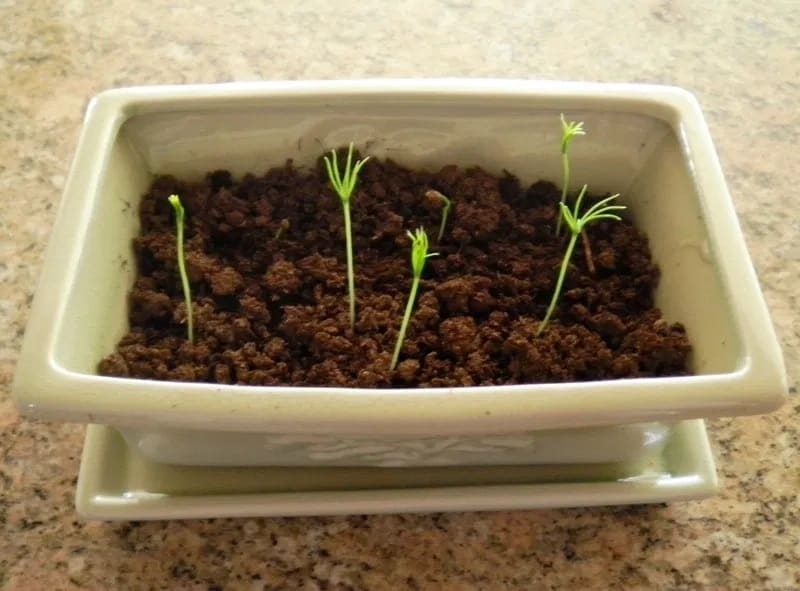
Growing bonsai from seed can be a rewarding and challenging experience, requiring patience, dedication, and a willingness to learn. In this article, we will guide you through the process of growing bonsai from seed, from preparing the soil to shaping the tree into a beautiful work of art.
Choosing the Right Time to Start
The best time to start growing bonsai from seed is during the autumn or spring seasons. This allows the seeds to germinate and grow in ideal conditions before the harsh winter months set in. The cooler temperatures of fall provide an optimal environment for germination, while the warmer temperatures of spring allow for healthy growth.
Preparing the Soil
To create a well-draining potting mix, combine 30% sand with 70% fine-textured soil. The sand helps to prevent waterlogging, while the fine-textured soil provides essential nutrients for the growing tree. You can also add organic matter such as compost or peat moss to improve the mix’s structure and fertility.
Selecting the Right Seeds
When selecting seeds, choose species that are suitable for bonsai cultivation. Some popular species include:
- Oak (Quercus spp.)
- Willow (Salix spp.)
- Cypress (Cupressus spp.)
- Maple (Acer spp.)
- Pine (Pinus spp.)
You can also purchase pre-tested seeds from reputable suppliers or online retailers. It’s essential to research the specific needs of your chosen species, including its growth rate, tolerance to drought and cold temperatures, and potential pests.
Starting the Seeds
To increase germination rates, immerse the seeds in water for a few days before planting. This helps to stimulate growth and increases the chances of successful germination. You can also soak the seeds overnight or store them in a sealed container with high humidity to enhance germination.
Before planting, you may need to stratify the seeds by covering them with a layer of moistened sand and torf, or perform mechanical scarification using a sharp tool. This process can take anywhere from 1-6 months, depending on the species. Some species, such as oak and beech, require a longer period of cold stratification, while others, like pine and spruce, may benefit from shorter periods.
Planting the Seeds
Once the seeds have been prepared, plant them about 1/4 inch deep in the potting mix. Cover the seed with a thin layer of soil, and water thoroughly to settle the mix. Make sure not to bury the seed too deeply, as this can lead to poor germination or root growth.
Place the pots outside in a protected area with partial shade, ensuring that they receive adequate moisture but not excessive watering. Avoid overwatering, which can cause root rot and other problems.
Transplanting
After 2-3 years, transplant the young trees into larger containers or bonsai pots. This allows you to prune and shape the tree more effectively. When transplanting, handle the roots with care, as they can be delicate during this stage.
Use a well-draining potting mix specifically designed for bonsai trees, and avoid repotting too frequently, as this can shock the tree.
Fertilizing
Since bonsai trees live in small containers, their soil can become depleted of essential nutrients. Regular fertilization is necessary to maintain optimal soil health. Use organic fertilizers that release nutrients slowly, allowing the tree to absorb them as needed.
A balanced fertilizer with a ratio of 10-10-10 (nitrogen-phosphorus-potassium) is a good starting point. You can also add micronutrients like iron and magnesium, which are essential for healthy growth.
Styling, Pruning, and Potting
The most challenging aspect of growing bonsai is shaping the tree into a beautiful work of art. Pruning and potting are essential skills for any bonsai enthusiast.
- Filatura (twining) or legatura (binding) can be used to create curved trunks or create intricate designs.
- Different styles, such as scopa rovescita, moyogi, su roccia, bosco, kabudachi, hankeniani, keniani, and a zattera, each require different techniques and approaches.
The key to creating a stunning bonsai is understanding the tree’s natural characteristics and adapting your techniques accordingly. Practice makes perfect!
Common Mistakes
When growing bonsai from seed, it’s essential to avoid common mistakes that can lead to poor growth or reduced success rates. Some of these mistakes include:
- Overwatering: Avoid watering your bonsai excessively, as this can cause root rot and other problems.
- Under-fertilization: Regular fertilization is necessary to maintain optimal soil health.
- Inadequate light: Most species require bright, indirect light to promote healthy growth.
Tips for Success
To increase the chances of success when growing bonsai from seed:
- Monitor temperature and humidity levels carefully.
- Provide adequate light and water, but avoid overwatering.
- Use a well-draining potting mix specifically designed for bonsai trees.
- Prune regularly to maintain shape and promote healthy growth.
Conclusion
Growing bonsai from seed requires dedication, patience, and a willingness to learn. By following these guidelines, you can create beautiful, unique pieces of art that showcase your green thumb.
With the right techniques and care, you can grow stunning bonsai trees that will bring joy and serenity to any space. Whether you’re a seasoned enthusiast or just starting out, growing bonsai from seed is an exciting adventure that awaits.
Frequently Asked Questions:
- What is the best way to start growing bonsai?
Start by preparing the soil and selecting the right seeds. Immerse the seeds in water for a few days before planting to increase germination rates. - How long does it take to grow a bonsai from seed?
It can take anywhere from 2-5 years for the tree to mature, depending on factors such as climate, soil quality, and maintenance. - What type of fertilizer is best for bonsai trees?
Use organic fertilizers that release nutrients slowly, allowing the tree to absorb them as needed. - How often should I prune my bonsai?
Prune your bonsai regularly to maintain shape and promote healthy growth. The frequency will depend on the species, climate, and level of care. - Can I grow bonsai in a pot or can it only be grown outdoors?
Bonsai trees can be grown in pots both indoors and outdoors, but outdoor conditions are ideal for promoting healthy growth. - What is the most difficult part of growing bonsai?
Shaping the tree into a beautiful work of art requires patience, dedication, and practice. - How do I choose the right style for my bonsai?
Consider the species’ natural characteristics, climate, and desired outcome when selecting a style. Practice makes perfect! - Can I propagate new bonsai trees from cuttings or grafting?
Yes, both methods can be used to create new bonsai trees. Research specific techniques for your species before attempting to propagate. - What are some common pests that affect bonsai trees?
Common pests that affect bonsai trees include spider mites, mealybugs, and scale insects. Regularly inspect your tree and take action promptly if you notice any signs of infestation.
Additional Resources
For those interested in learning more about growing bonsai from seed, here are some additional resources:
- Online forums and communities: Join online forums and communities to connect with other bonsai enthusiasts and learn from their experiences.
- Books and tutorials: Read books and follow tutorials on bonsai cultivation to gain a deeper understanding of the subject.
- Local nurseries and suppliers: Visit local nurseries and suppliers to purchase high-quality seeds, pots, and other materials.
By following these guidelines and staying committed to your craft, you can create stunning bonsai trees that bring joy and serenity to any space.


