
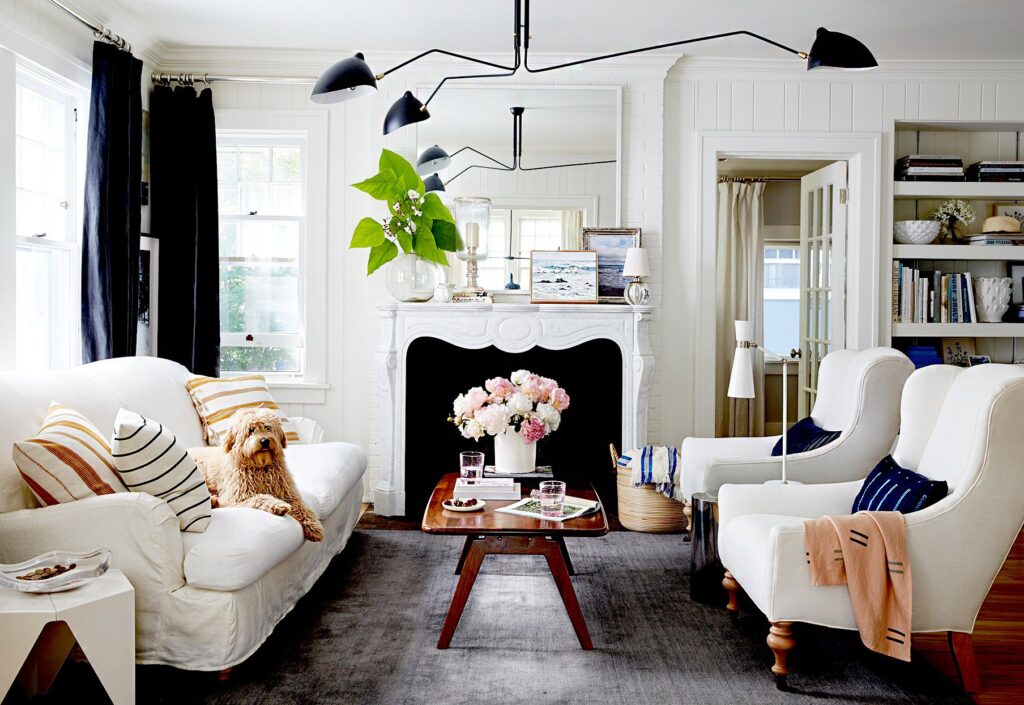
As we strive for a more harmonious life, our homes can be an extension of that goal. But, in reality, decorating a home is often a source of stress – measuring spaces, choosing materials, and colors that please everyone can feel overwhelming. However, it’s worth the effort. A well-designed space can bring us feelings of serenity, making it easier to relax and unwind.
The Importance of Harmony
Achieving harmony in our homes involves balancing multiple elements: color, lighting, scents, textiles, and sound. Each plays a crucial role in creating an atmosphere that promotes relaxation and calmness. While personal preferences are essential, there are general guidelines we can follow to ensure our space feels peaceful.
Harmony is not just about aesthetics; it’s also about functionality. A harmonious home should promote comfort, reduce stress, and enhance overall well-being. By incorporating elements that foster balance and unity, you can create a living space that supports your physical, emotional, and mental health.
Color Therapy: Choosing the Right Hues
Colors have a profound impact on our emotions and moods. Soft, neutral colors like white, beige, gray, blue, green, and brown tend to be calming. These hues promote feelings of serenity and tranquility. If you prefer bolder shades, consider opting for indigo, lavender, or muted reds. Just remember to balance them with neutral elements.
When choosing a color scheme, consider the following factors:
- Natural light: How much natural light does your space receive? Lighter colors can help reflect natural light and create a brighter atmosphere.
- Personal preferences: Choose colors that resonate with you and promote feelings of calmness.
- Room purpose: Consider the room’s function and how it will be used. For example, a bedroom should promote relaxation, while a home office might benefit from stimulating colors.
Scent Your Way to Serenity
Smells can evoke powerful emotional responses. A pleasant aroma can instantly lift our mood and create a sense of relaxation. You can use candles, essential oils, or scented room sprays to fill your space with calming fragrances like lavender, vanilla, or eucalyptus.
When selecting scents for your home:
- Consider the season: Certain scents are associated with specific times of year. For example, cinnamon and pine can evoke a cozy winter atmosphere.
- Think about emotions: Choose scents that promote relaxation, calmness, or happiness, depending on your needs.
- Experiment with blends: Combine different essential oils to create unique fragrances that suit your preferences.
Lighting: Setting the Mood
Lighting plays a significant role in creating ambiance and setting the tone for relaxation. While natural light is ideal, we often face limitations due to window orientation and climate. Consider using table lamps, floor lamps, or string lights to create cozy pools of light that promote calmness.
When choosing lighting fixtures:
- Consider the room’s purpose: Task lighting for reading or cooking requires brighter, more focused lighting.
- Think about the color temperature: Warm white light (2700K-3000K) promotes relaxation, while cool white light (3500K-4100K) energizes.
- Balance soft and bright light: Combine soft, warm lighting with occasional bursts of brighter light to create visual interest.
Textiles: The Power of Touch
Our sense of touch can be just as comforting as our visual senses. Soft, breathable textiles like cotton, linen, and silk can soothe our skin and promote relaxation. Opt for neutral colors and subtle patterns that complement your existing decor.
When selecting textiles:
- Choose materials with a soft texture: Velvet, wool, or fleece can add warmth and coziness to your space.
- Consider the fabric’s weight: Lighter fabrics like cotton or linen are suitable for warm weather, while heavier fabrics like velvet or wool are better suited for cooler climates.
- Balance patterns and solids: Combine patterned textiles with solid-colored items to create visual balance.
The Soundtrack to Serenity
Music has the power to transport us to a state of relaxation. Choose calming melodies or nature sounds that help you unwind. Avoid loud volumes and opt for soft, gentle tunes that create a sense of peace.
When selecting music or soundtracks:
- Consider your preferences: Choose music that resonates with you and promotes relaxation.
- Think about the environment: Select sounds that complement the room’s atmosphere and purpose.
- Experiment with calming tracks: Find melodies that slow down your heart rate and calm your mind.
Creating a Peaceful Home: A Holistic Approach
Achieving a peaceful home is not just about individual elements; it’s about creating a balanced and harmonious space that nourishes our minds, bodies, and souls. By incorporating the principles outlined above, you can transform your living environment into a serene oasis that fosters relaxation and well-being.
To create a holistic approach to your home:
- Start with a clear intention: Define what peacefulness means to you and set a goal for your space.
- Incorporate elements gradually: Balance new additions with existing decor and furniture.
- Experiment and adapt: Try different approaches, and adjust as needed to ensure harmony in your space.
Frequently Asked Questions: Creating a Peaceful Home
-
What are some common mistakes people make when trying to create a peaceful home?
People often prioritize personal preferences over harmony, resulting in spaces that feel cluttered or overwhelming. They might neglect the importance of natural light, colors that evoke emotions, and textures that promote relaxation. -
How can I balance my color scheme for a peaceful atmosphere?
Start with neutral colors and add pops of bold hues through accents, rugs, or decorative items. Consider the room’s purpose, personal preferences, and natural light when selecting colors. -
What are some ways to incorporate natural scents into my home?
Use essential oils, scented candles, or room sprays featuring natural fragrances like lavender or eucalyptus. Experiment with different blends and scents to find what works best for you. -
Why is lighting so important in creating a peaceful atmosphere?
Soft, gentle lighting can promote relaxation and calmness, making it easier to unwind. Balance soft light with occasional bursts of brighter light to create visual interest. -
How can I choose the right textiles for my home’s ambiance?
Opt for soft, breathable materials like cotton, linen, or silk, and select neutral colors that complement your existing decor. Consider textures, weights, and patterns when selecting textiles. -
What role does music play in creating a peaceful home?
Soft, calming melodies or nature sounds can help you relax and unwind. Avoid loud volumes and opt for soft, gentle tunes that create a sense of peace. -
How can I create a harmonious balance between color, lighting, scents, textiles, and sound?
Start by identifying your personal preferences and then work to incorporate elements that promote relaxation and calmness. Experiment with different approaches until you find the perfect balance for your space. -
What are some common challenges people face when trying to create a peaceful home?
Common obstacles include prioritizing individual tastes over harmony, neglecting the importance of natural light, or ignoring the impact of colors on emotions. Be patient and persistent in finding solutions that work for you.
By embracing these principles and addressing common challenges, you can transform your living space into a serene oasis that nurtures your mind, body, and soul.


