
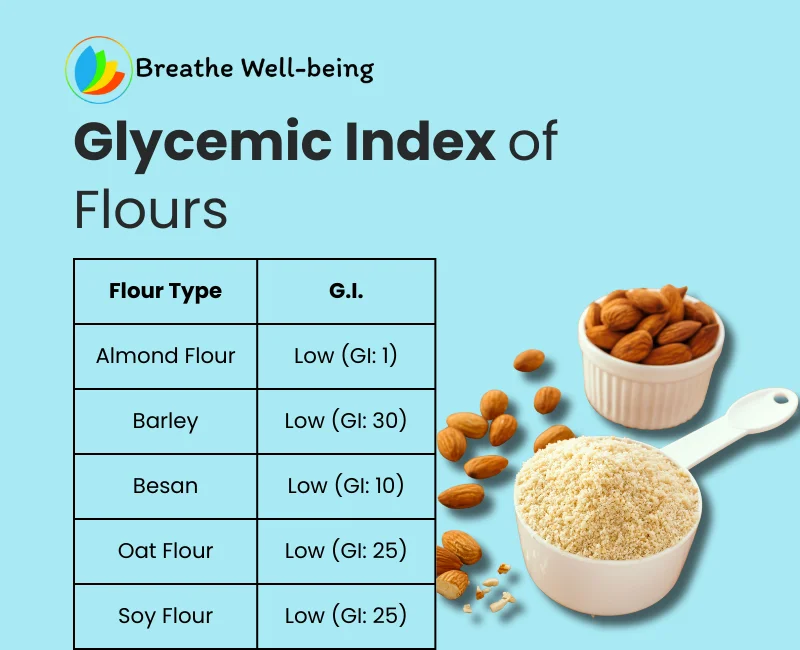
As a diabetic or fitness enthusiast, managing your diet is crucial to maintaining healthy blood sugar levels and achieving optimal physical performance. One key aspect of a healthy diet is the type of flour you use in cooking and baking. In this article, we’ll delve into the world of low-glycemic flours, exploring their benefits, types, and how to incorporate them into your daily meals.
Understanding Glycemic Index
Before diving into low-glycemic flours, it’s essential to understand what glycemic index (GI) is. The GI is a measure of how quickly a food raises blood sugar levels after consumption. This parameter is useful for comparing foods but not for determining the amount of food to consume based on its GI.
The Importance of Glycemic Index
In simple terms, every time you consume 50 grams of carbohydrates with a particular flour, you’ll use a different amount of flour and have a different glycemic index. For instance, if you’re using whole wheat flour, it’s likely to raise blood sugar levels more quickly than rye flour.
Why Low-Glycemic Flours Matter
When it comes to managing diabetes or following a fitness regimen, consuming the right type of flour can make all the difference. Here are some key points to consider:
- Choose whole grains: Whole grains like brown rice, quinoa, and whole wheat are rich in fiber, vitamins, and minerals.
- Limit refined carbohydrates: Refined carbohydrates like white bread and sugary snacks can cause a rapid spike in blood sugar levels.
- Be mindful of portion sizes: Even low-glycemic flours can cause an increase in blood sugar if consumed in large quantities.
Types of Low-Glycemic Flours
When it comes to managing blood sugar levels, the right type of flour can make all the difference. Here are some key types of low-glycemic flours:
- Whole Wheat Flour: Made from whole wheat grains, this flour is high in fiber and nutrients but has a higher glycemic index than other options.
- Sprouted Grain Flour: This flour is made from sprouted grains that have been allowed to germinate, making the nutrients more accessible. It has a lower glycemic index than regular whole wheat flour.
- Ancient Grain Flours: Made from ancient grains like Kamut, Spelt, and Einkorn, these flours are lower in gluten and higher in fiber, making them suitable for those with gluten intolerance or sensitivity.
Benefits of Low-Glycemic Flours
Incorporating low-glycemic flours into your diet can have numerous benefits, including:
- Improved blood sugar control: By choosing whole grains and limiting refined carbohydrates, you can help regulate your blood sugar levels.
- Increased fiber intake: Whole grains like brown rice, quinoa, and whole wheat are rich in fiber, which can help lower cholesterol levels and promote digestive health.
- Reduced inflammation: Some studies have shown that consuming low-glycemic flours can reduce inflammation in the body.
Other Low-Glycemic Flour Options
Here are some other low-glycemic flour options to consider:
- Almond Flour: Made from ground almonds, this flour is low in carbohydrates and rich in healthy fats.
- Coconut Flour: Made from dried coconut, this flour is low in carbohydrates and high in fiber.
- Chickpea Flour: Also known as gram flour, this flour is made from chickpeas and has a lower glycemic index than other flours.
Tips for Using Low-Glycemic Flours
Here are some tips for using low-glycemic flours effectively:
- Choose the right flour for your recipe: Different types of flours have different nutritional profiles, so choose the one that best fits your needs.
- Use whole grains whenever possible: Whole grains like brown rice, quinoa, and whole wheat are rich in fiber, vitamins, and minerals.
- Be mindful of portion sizes: Even low-glycemic flours can cause an increase in blood sugar if consumed in large quantities.
Conclusion
Managing blood sugar levels requires careful attention to the foods you consume. By understanding the glycemic index and selecting low-glycemic flour options, you can take control of your blood sugar levels and maintain overall health. Remember to choose whole grains, limit refined carbohydrates, and be mindful of portion sizes when using low-glycemic flours.
Frequently Asked Questions (FAQs)
- What is the ideal amount of carbohydrates to consume per day?
- The recommended daily intake of carbohydrates varies depending on age, sex, weight, and activity level.
- Generally, women should consume 45-65 grams of carbohydrates per day, while men should consume 55-85 grams per day.
- How do I choose the right flour for my dietary needs?
- Consider your nutritional requirements, food allergies or intolerances, and cooking preferences when selecting a flour.
- For example, if you’re gluten-free, consider using almond flour or coconut flour.
- Can I use low-glycemic flours to manage blood sugar levels?
- While low-glycemic flours can help regulate blood sugar levels, they should not be used as a substitute for medical treatment. Consult with a healthcare professional before making any changes to your diet.
- What are some healthy ways to consume carbohydrates?
- Choose whole grains like brown rice, quinoa, and whole wheat over refined carbohydrates like white bread and sugary snacks.
- Be mindful of portion sizes and adjust according to your nutritional needs.
By understanding the glycemic index and selecting the right flour for your dietary needs, you can take control of your blood sugar levels and maintain overall health.


