
As a homeowner or building owner, you’re likely no stranger to the frustration of dealing with water damage and rising dampness. But have you ever stopped to think about what causes these problems in the first place? And more importantly, how can you prevent them from happening in the future?
Understanding Rising Dampness
Rising dampness is a common issue that affects many homes, particularly those built on clay or peat foundations. It occurs when moisture from the ground rises through the walls and into the living space, often causing mold, water stains, and damage to structural elements.
But don’t worry – there are effective solutions to prevent rising dampness and other water-related issues. In this guide, we’ll explore the best ways to waterproof your walls, including chemical barriers, resin insulating products, and water-repellent pastes.
Why Choose a Chemical Barrier?
If you’re dealing with rising dampness, using a chemical barrier is highly recommended. These barriers can be set up either DIY or by hiring experts, and they offer a reliable solution to preventing moisture from entering your walls.
In our article “Chemical Barrier Against Rising Dampness,” we delve into the details of how these barriers work and provide step-by-step instructions on how to install them.
The Science Behind Chemical Barriers
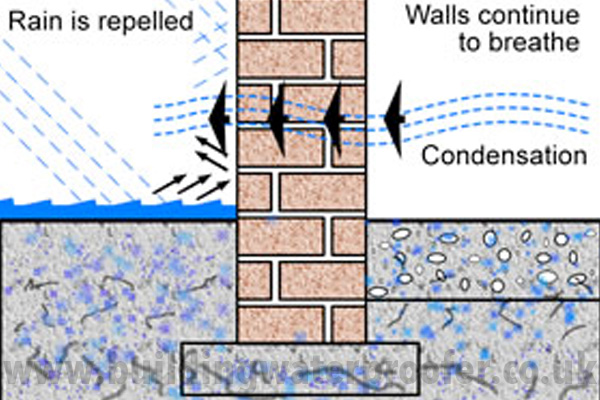
Chemical barriers are designed to repel water and prevent it from penetrating the walls. They typically consist of a thin layer of material that is applied to the surface of the wall, creating a barrier between the interior and exterior environments.
These barriers can be made from a variety of materials, including silicone, polyurethane, or ceramic-based compounds. Each type of barrier has its own unique benefits and drawbacks, and choosing the right one for your situation will depend on factors such as climate, humidity levels, and the age of the building.
Waterproofing Interior and Exterior Walls
Whether you’re dealing with internal or external walls, there are many ways to waterproof them using resin insulating products or specialized companies that use high-pressure machines. In our guide article “How to Waterproof a Wall,” we describe the process in detail and provide tips on how to choose the right materials for your needs.
Resin Insulating Products: A Cost-Effective Solution
One popular method of waterproofing walls is using resin insulating products, which involve applying a layer of resin-based material to the surface of the wall. This creates a barrier that prevents moisture from penetrating the wall and reduces the risk of damage caused by rising dampness.
Resin insulating products are often less expensive than chemical barriers and can be more effective in certain situations. However, they may require more labor and expertise to apply correctly.
Water-Repellent Pastes: A Convenient Option
Another popular method of waterproofing walls is using water-repellent pastes, which can be applied directly to the surface of the wall using a brush or roller. These products offer several benefits, including ease of application and non-damaging effects on surfaces.
In this section, we’ll explore the different types of water-repellent pastes available, their uses, and how to choose the right one for your needs.
Types of Water-Repellent Pastes
There are several types of water-repellent pastes available, each with its own unique benefits and drawbacks. Some popular options include:
- Silicone-based pastes: These products offer excellent water-repellency and can be used on a variety of surfaces.
- Polyurethane-based pastes: These products provide long-lasting protection against moisture and can be used on both internal and external walls.
- Ceramic-based pastes: These products are highly durable and resistant to fading or discoloration.
How to Choose the Best Water-Repellent Paste
With so many options available, it can be overwhelming to decide which water-repellent paste is best for you. In this section, we’ll provide an overview of the top products on the market, including their benefits and drawbacks.
One notable example is the Stormdry Paste, tested by the University of Portsmouth. This product has been shown to offer excellent results even with a single coat, making it an attractive option for homeowners looking for a reliable solution.
Waterproofing Wallboxes and Showers
In environments that are particularly humid, such as bathrooms, wallboxes, relaxation areas, swimming pools, saunas… waterproofing walls becomes necessary in case of water infiltration. Water infiltration between the tiles of the wallbox, for example, can cause serious damage to the entire structure of the building.
To make walls waterproof, it’s essential to check the floor of the shower before proceeding with the waterproofing process. If there are gaps on the edges, it will be necessary to apply silicone paste in addition to fiber glass seals.
Tips and Tricks for Waterproofing Walls
Before embarking on your waterproofing project, here are some additional tips to keep in mind:
- Always clean the walls thoroughly before applying any sealant or coating.
- Choose a material that repels water and resists the appearance of mold.
- Consider hiring experts if you’re unsure about the best approach for your specific situation.
Conclusion
Waterproofing your walls is a crucial step in preventing damage and extending the lifespan of your building. By following these steps and choosing the right materials, you can ensure that your walls remain safe, secure, and protected from water-related issues.
Whether you’re dealing with rising dampness or looking to prevent moisture from entering your walls, there’s a solution out there for you. With this guide, you’ll be equipped with the knowledge and confidence to tackle even the most challenging waterproofing projects.
Frequently Asked Questions
- What is the best way to waterproof my walls?
The best approach will depend on the specific situation and materials available. Consider consulting a professional if you’re unsure. - How long does it take for water-repellent pastes to dry?
Typically, these products can take anywhere from 30 minutes to several hours to fully dry, depending on the product and environmental conditions. - Can I use any type of sealant or coating for waterproofing my walls?
Not all sealants are created equal. Choose a material that is specifically designed for waterproofing purposes and follows the manufacturer’s instructions. - How often should I reapply water-repellent paste to maintain its effectiveness?
The frequency of reapplication will depend on usage, environmental conditions, and product recommendations. - What are some common mistakes to avoid when waterproofing walls?
Common errors include failing to clean surfaces properly, using incompatible materials, or neglecting to follow manufacturer instructions. - Can I use chemical barriers for both internal and external walls?
Yes, but it’s essential to choose the right type of barrier for each specific situation and consult a professional if necessary. - How do I prevent mold and mildew from growing on my waterproofed walls?
Regular cleaning, proper ventilation, and ensuring that surfaces are well-maintained can help prevent mold and mildew growth. - What is the average cost of implementing a chemical barrier or water-repellent paste solution?
Costs will vary depending on the specific product, materials, and services required. Consult with professionals for an accurate estimate.
By following this comprehensive guide to waterproofing your walls, you’ll be well-equipped to tackle even the most challenging moisture-related issues and enjoy a safer, healthier living space.


