
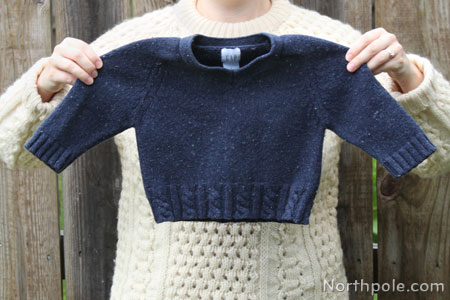
As the winter season comes to an end, we take stock of our wool sweaters that have survived our washing habits. We place them in a large bag for reuse next year, setting aside those that will no longer keep us warm on chilly December and January days. When we must let go of beloved garments, we wonder how to shrink a wool sweater, which method to use, and how to recover it.
There are several methods, some passed down from grandmothers, and others natural remedies to find a solution. First, don’t give up when faced with an infeltrita (a stiff or felted wool garment). Let’s explore the causes of infeltrimento and learn how to prevent them.
What is a Wool Sweater Infeltrita?
The word “infeltrita” tells us already where we’re heading. This describes a fabric that has become dense like felt. If you think about the softness of wool, the difference is obvious, and it’s easy to notice when damage is done. By definition, an infeltrita becomes so because it has been washed too many times or in the wrong way.
Why Does a Wool Sweater Infeltrite?
There are several factors that can contribute to the stiffening of a wool garment, with the most important being temperature changes during washing or drying. The causes of infeltrimento generally involve:
• Temperature fluctuations
• Hot water
• Alkaline pH
• Aggressive detergents
We need to consider how to proceed with washing our wool garments correctly, without risking damaging them beyond repair.
How to Prevent Infeltrimento
Before we dive into the methods for shrinking a wool sweater, let’s explore some easy-to-implement tips to prevent infeltrimento:
• Avoid hot water: Water above 30°C can cause damage.
• No temperature changes: Keep the same temperature throughout the entire washing and rinsing process.
• Hand-wash or low-speed machine wash: Preferably with a delicate cycle at low temperatures (30°C).
• Use gentle, pH-neutral detergents.
• Air dry or tumble dry on a low setting.
• Avoid wringing or twisting the garment.
Some additional tips to prevent infeltrimento include:
• Only use laundry detergent specifically designed for wool.
• Always check the care label before washing your sweater.
Shrinking a Wool Sweater with Bicarbonate
One effective method involves using bicarbonate. Here’s how:
- Mix two liters of cold water with 20 grams of baking soda in a large bowl. Soak the infeltrita completely, making sure all fibers are in contact with the mixture.
- Let it sit overnight and then rinse thoroughly with mild soap.
For the second step, mix another two liters of cold water with ten tablespoons of vinegar (acetic acid). The sweater must be soaked for about six hours, stirring occasionally. After rinsing with warm water, wash again with mild soap. As you dry the sweater, use steam to help relax the fibers.
Using Balsam to Relieve Infeltrimento
Balsam is also a useful remedy against infeltrimento. Here’s how:
- Mix equal parts of cold water and balm in a large bowl.
- Soak the sweater completely, ensuring all fibers are immersed in the solution.
- Massage the balm into the fabric to soften it.
- Rinse thoroughly with warm water, then hand-wash again with mild soap.
Natural Remedies Against Restrictive Wool
After using bicarbonate and balsam, let’s explore some additional natural remedies for addressing restrictive wool:
• Ammonia: Mix three tablespoons of cold water with three tablespoons of ammonia in a bowl. Soak the sweater for about two hours before rinsing with cold water.
• Lactate Solution: Combine equal parts of milk and water to create a soak solution. Let it sit on the sweater for one hour, then rinse with cold water.
How to Wash Your Wool Sweaters
Today, we have access to many effective detergents that can help clean our wool garments without damaging them.
When using a washing machine:
• Choose a detergent specifically designed for wool.
• Use cold water and a gentle cycle at low temperatures (30°C).
• If the care label advises against machine washing, consider hand-washing instead.
If you prefer to wash your sweaters by hand:
• Select a mild, pH-neutral detergent.
• Wash in cold water using a gentle motion.
• Gently squeeze out excess water without wringing or twisting the fabric.
Products for Shrinking a Wool Sweater
Even online, we can find useful tools to help us recover our wool garments. Consider trying an antistatic agent to prevent damage to fibers and a set of products with plant extracts that are gentle on colors.
FAQs
Q: What is the most effective method for shrinking a wool sweater?
A: Bicarbonate or balsam treatments can be very effective, depending on the severity of infeltrimento. Natural remedies like ammonia or lactate solutions may also work.
Q: Can I use regular detergent to wash my wool sweaters?
A: No, using non-specific detergents can damage your wool garments. Choose a mild, pH-neutral detergent specifically designed for washing wool.
Q: How often should I wash my wool sweaters?
A: It depends on usage and how well you care for them. Generally, it’s recommended to wash wool items every 5-10 wearings.
Q: Can I machine dry my wool sweaters?
A: No, high heat can damage your wool garments. If the care label advises against machine drying, consider air-drying or tumble-drying on a low setting instead.
Q: What is the best way to prevent infeltrimento in future?
A: Regularly check the care label, follow recommended washing instructions, and avoid using hot water or aggressive detergents.
Q: How can I remove stubborn stains from my wool sweaters?
A: Pre-treat stains with a mild detergent specifically designed for wool before washing. For tougher stains, consider using an enzyme-based cleaner.
Q: Can I restore infeltritated wool sweaters to their original state?
A: It depends on the severity of damage and how soon you address it. In some cases, infeltrimento can be reversed with gentle treatments like bicarbonate or balsam, while more severe damage may require professional cleaning or restoration.
Q: How long does it take for a wool sweater to recover from infeltrimento?
A: The recovery time will depend on the severity of damage and how effectively you address it. In some cases, the sweater can be restored within days or weeks, while in other cases, it may take several months.
Preventing Wool Fabric Shrinkage
To prevent wool fabric shrinkage in the future, consider implementing these simple tips:
• Use the right washing machine cycle: Choose a delicate wash cycle with cold water and a low spin setting.
• Avoid over-drying: Remove your wool sweater from the dryer while it’s still slightly damp to prevent shrinkage.
• Store your wool sweaters properly: Fold or hang your wool sweaters in a cool, dry place away from direct sunlight.
By following these tips and using natural remedies like bicarbonate and balsam, you can recover your infeltritated wool sweater and keep it looking its best for years to come.


