
Are you curious about the mysterious red rice that’s been gaining popularity in recent years? Look no further! In this comprehensive guide, we’ll delve into the world of red rice, exploring its history, types, nutritional benefits, cooking methods, and delicious recipes.
What is Red Rice?
Red rice is a type of rice that owes its distinctive color to the high content of anthocyanins, powerful antioxidants responsible for the red, purple, and blue hues of various fruits, vegetables, and flowers. This unique characteristic not only gives it an attractive appearance but also confers impressive nutritional benefits.
Types of Red Rice
There are several varieties of red rice, each with its own distinct characteristics:
- Rice Camargue: Grown in the Camargue region of southern France, this variety is prized for its rich, nutty flavor and chewy texture.
- Bhutanese Red Rice: Hailing from the Himalayan kingdom of Bhutan, this rice is renowned for its high antioxidant content and versatility in various dishes.
- Fermented Red Rice: A traditional Chinese preparation method involves fermenting red rice with Monascus purpureus, a type of fungus that imparts a deep reddish-pink hue. This process not only enhances the flavor but also increases the nutritional value.
Nutritional Benefits
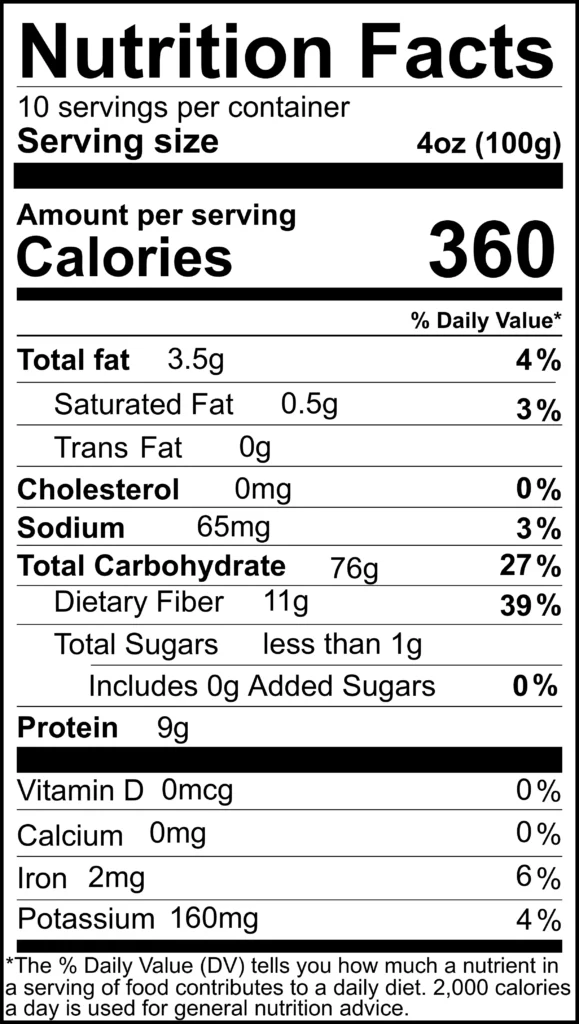
Red rice is a nutrient-rich food, boasting several health benefits due to its high content of:
- Anthocyanins: These powerful antioxidants have been shown to exhibit anti-inflammatory properties, protect against certain cancers, and support cardiovascular health.
- Fiber: Red rice is an excellent source of dietary fiber, which can help regulate blood sugar levels, promote digestive health, and support healthy weight management.
- Minerals: This type of rice is rich in essential minerals like iron, zinc, and potassium, making it an excellent addition to a balanced diet.
Cooking Methods
When it comes to cooking red rice, the key is to understand its unique characteristics:
- Rice Ermes: A popular variety that combines the best features of Venetian and Inca rice, resulting in a creamy, flavorful dish.
- Red Rice Fermentation: This traditional Chinese method involves fermenting red rice with Monascus purpureus, producing a fragrant, aromatic rice perfect for various dishes.
Recipes
Red rice is an incredibly versatile ingredient, suitable for both sweet and savory dishes:
- Red Rice Risotto: A classic Italian recipe featuring Arborio rice cooked with vegetable broth, white wine, and Parmesan cheese.
- Salad with Red Rice and Shrimp: A refreshing summer salad combining red rice, succulent shrimp, and a tangy dressing.
Where to Buy
If you’re eager to try red rice for yourself, you can find it in various forms at your local grocery store or online retailer:
- Supermarkets: Look for specialty stores that carry Asian or organic products.
- Amazon: This popular e-commerce platform offers a wide selection of red rice varieties, including Amazon’s own brand.
Conclusion
Red rice is more than just a novelty ingredient; it’s a culinary treasure trove packed with nutrients, flavor, and versatility. Whether you’re a seasoned chef or an adventurous home cook, this comprehensive guide has provided you with the knowledge to unlock the full potential of red rice in your kitchen.
FAQs
- What is the difference between fermented red rice and regular red rice?
- Fermented red rice undergoes a traditional Chinese preparation method involving fermentation with Monascus purpureus, resulting in increased nutritional value and flavor.
- Can I substitute red rice for white rice in recipes?
- While possible, using red rice instead of white rice may affect cooking times and textures due to its higher fiber content.
- Is red rice suitable for people with gluten intolerance or celiac disease?
- Red rice is naturally gluten-free and a great option for those with dietary restrictions.
- Can I grow my own red rice at home?
- Growing your own red rice requires specific climate conditions, soil quality, and attention to detail; it’s essential to research local agricultural practices before attempting to cultivate this crop.
- What are the health benefits of consuming red rice regularly?
- Regular consumption of red rice can help support cardiovascular health, promote digestive well-being, and provide essential nutrients due to its high anthocyanin content.
- Can I use red rice as a substitute for quinoa or brown rice in salads?
- While possible, using red rice instead of quinoa or brown rice may alter the texture and flavor profile of your salad; experiment with different ratios and seasonings to find the perfect balance.
- How long does it take to cook red rice?
- Cooking times for red rice vary depending on the specific variety and desired level of doneness, typically ranging from 20 to 40 minutes.
- Is red rice suitable for vegan or vegetarian diets?
- Red rice is an excellent option for those following a plant-based diet due to its high fiber content and lack of animal-derived ingredients.
Additional Tips and Tricks
- Choose the right ratio: Experiment with different ratios of red rice to liquid to achieve the perfect consistency.
- Add flavor with spices: Incorporate aromatic spices like cumin, coriander, or cinnamon to enhance the flavor of your dishes.
- Pair with complementary ingredients: Combine red rice with fruits, vegetables, and herbs to create a harmonious balance of flavors.
Conclusion
Red rice is an exciting ingredient that offers a wealth of possibilities for culinary exploration. Whether you’re a seasoned chef or a curious home cook, this comprehensive guide has provided you with the knowledge to unlock the full potential of red rice in your kitchen. Experiment with different cooking methods, recipes, and ingredients to discover the versatility and flavor of this incredible grain.
Final Thoughts
- Experimentation is key: Don’t be afraid to try new recipes and techniques to find your favorite way to prepare red rice.
- Store properly: Keep red rice in an airtight container to preserve its nutritional value and freshness.
- Try it cold: Red rice makes an excellent base for salads, slaws, or other chilled dishes.
With this ultimate guide to red rice, you’re now equipped with the knowledge to unlock its full potential. Go ahead, experiment, explore, and enjoy the incredible flavors and benefits that this nutritious grain has to offer!


