
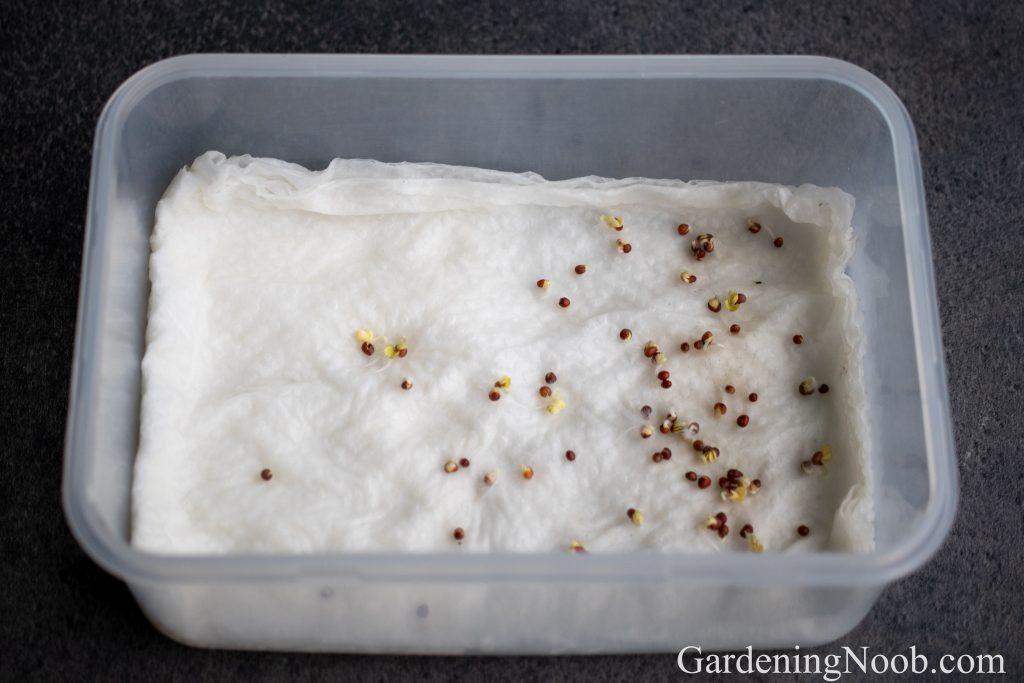
Understanding Seed Germination
Seed germination is a complex process that requires precise conditions and careful attention. In this article, we’ll delve into the world of seed germination and explore a unique method using the Scottex absorbent paper.
What is Seed Germination?
Germination refers to the process by which seeds transform from an inanimate state into a living organism. This process involves the activation of enzymes, the breakdown of seed coat, and the emergence of roots and shoots. Understanding germination is essential for plant growth and development.
The Traditional Method: Soil and Patience
In the traditional method, seeds are planted in soil and left to germinate under controlled conditions. While this method has been successful for centuries, it requires patience and careful attention to ensure optimal results. In contrast, the Scottex method offers a faster and more efficient alternative.
Materials Needed for Seed Germination with Scottex
To achieve successful seed germination using the Scottex method, you’ll need a few simple materials:
- Absorbent Paper (Scottex): This is the primary material used in the Scottex method. It helps to soften the seed coat and facilitate germination.
- Chamomilla (Chamomile Tea): Chamomile tea can be used to prepare an infusion that softens the seed coat, promoting faster and more vigorous germination.
- Plastic Transparent Box: A transparent box is necessary to create a controlled environment for germination. The box should have a perforated lid to allow air to enter.
- Seeds: Choose high-quality seeds suitable for germination.
Preparing the Scottex
To prepare the Scottex, follow these steps:
- Moisturize the absorbent paper with a few drops of water before “planting” your seed.
- Use plain, uncolored, and ink-free absorbent paper to avoid any interference with the seed’s growth.
Creating a Suitable Environment
To create an optimal environment for germination:
- Cover the bottom of the plastic transparent box with Scottex and moisten it.
- Ensure the box has a perforated lid to allow air to enter.
Tips for Successful Seed Germination
Here are some valuable tips to keep in mind when using the Scottex method:
- Leave enough space between each seed to allow the radicles to emerge.
- Soak the Scottex with water beforehand, preferably using de-ionized water.
- Maintain a consistent temperature within the box, ideally between 65°F to 75°F (18°C to 24°C).
- Keep the environment humid by covering the box with plastic wrap or a clear plastic bag.
Common Challenges and Solutions
- Seed Coat Hardening: If the seed coat is too hard, it may not germinate properly. In this case, try soaking the Scottex in water for a longer period before planting.
- Insufficient Humidity: If the environment is too dry, germination may be slow or non-existent. To resolve this issue, cover the box with plastic wrap or a clear plastic bag to increase humidity.
Conclusion
Seed germination is a complex process that requires careful attention and precise conditions. The Scottex method offers a faster and more efficient alternative to traditional methods, but it still requires patience and dedication. By understanding the science behind seed germination and following these simple steps, you can achieve successful results and watch your seeds transform into thriving plants.
Frequently Asked Questions (FAQs)
- What is the optimal temperature for seed germination?
The ideal temperature for seed germination varies depending on the species of plant. Generally, temperatures between 65°F to 75°F (18°C to 24°C) are suitable. - How long does it take for seeds to germinate using the Scottex method?
Germination times can vary from a few days to several weeks, depending on the species of plant and environmental conditions. - What type of absorbent paper is best suited for seed germination?
Plain, uncolored, and ink-free absorbent paper is recommended to avoid any interference with the seed’s growth. - Can I use any type of seeds for seed germination using the Scottex method?
Not all seeds are suitable for germination using this method. Choose high-quality seeds that have been packaged recently and are compatible with the Scottex method. - How do I ensure proper humidity levels during seed germination?
Maintain a humid environment by covering the box with plastic wrap or a clear plastic bag to prevent moisture loss.
Advanced Techniques for Optimizing Germination
- Temperature Control: Use a thermometer to monitor temperature levels within the box and maintain consistency.
- Lighting: Provide indirect sunlight for optimal germination. Some plants may require direct sunlight, so research specific requirements before using this method.
- Water Quality: Use distilled or de-ionized water when soaking the Scottex to prevent mineral buildup.
Plant-Specific Requirements
Different plant species have unique requirements for seed germination. Research the specific needs of your chosen plant species to optimize results:
- Seeds from tropical regions: These seeds may require warmer temperatures and higher humidity levels.
- Seeds from temperate regions: These seeds may prefer cooler temperatures and lower humidity levels.
Troubleshooting Common Issues
- Seed Coat Damage: Avoid over-handling the Scottex to prevent damage to the seed coat.
- Insufficient Seedling Growth: Check the environment for adequate light, temperature, and humidity. Adjust these conditions if necessary.
By understanding the science behind seed germination and following these simple steps, you can achieve successful results and watch your seeds transform into thriving plants. The Scottex method offers a faster and more efficient alternative to traditional methods, but it still requires patience and dedication.


