
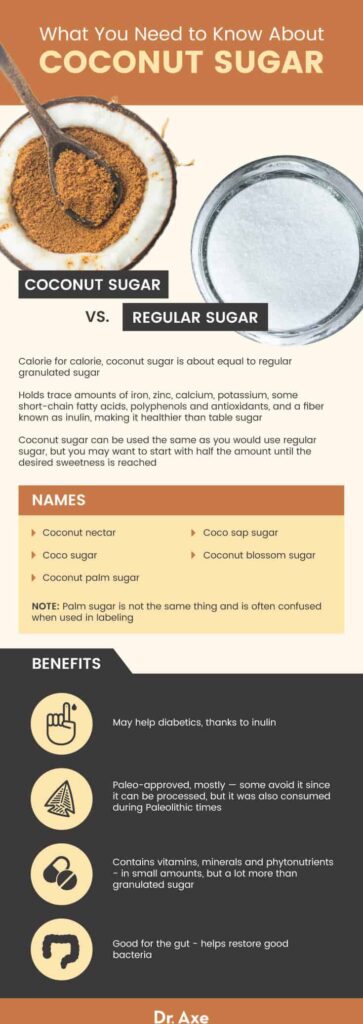
Coconut sugar, also known as coconut palm sugar, is a natural sweetener extracted from the sap of palm trees. For centuries, it has been used in traditional medicine and cuisine in Southeast Asia, particularly in the Philippines and Indonesia. In this article, we’ll delve into the world of coconut sugar, exploring its properties, uses, benefits, and everything you need to know about this popular natural sweetener.
What is Coconut Sugar?
Coconut sugar is made from the sap of palm trees (Cocos nucifera), which is extracted and refined to produce a sweetener with unique properties. The sap is collected from the stalks of mature palms, where it flows through a network of vessels, producing a liquid rich in sugars.
Differences Between Coconut Sugar and Palm Sugar
Coconut sugar and palm sugar are often used interchangeably, but they are actually two distinct products with different consistencies, flavors, and production methods. Coconut sugar is made from the sap of coconut palms (Cocos nucifera), while palm sugar can be produced from various species of palm trees.
Here are some key differences between coconut sugar and palm sugar:
- Origin: Coconut sugar comes from the sap of coconut palms (Cocos nucifera), whereas palm sugar can come from different types of palm trees.
- Taste: Coconut sugar has a caramel-like flavor, while palm sugar has a more neutral taste.
Production Process
The production process for coconut sugar involves two main steps: harvesting and refining. Harvesters extract the sap from mature palms using specialized tools. The collected sap is then refined through evaporation or crystallization to produce a sweetener that can be stored and sold.
Health Benefits
Coconut sugar has gained popularity due to its potential health benefits, including:
- Low glycemic index: Coconut sugar has been classified as an “alimento low-glycemic” by the Philippine authorities, indicating its lower impact on blood sugar levels.
- Rich in minerals: Coconut sugar contains potassium, magnesium, and iron, making it a better choice than refined sugars.
Where to Buy
Coconut sugar can be found in various forms, including granules, crystals, blocks, or liquid. You can purchase coconut sugar at local health food stores, specialty grocery stores, or online retailers like Amazon. Look for products that are labeled as “organic” or “biological,” ensuring that they meet your dietary standards.
Conclusion
Coconut sugar is a natural sweetener with unique properties and benefits. Its low glycemic index, rich mineral content, and caramel-like flavor make it an attractive alternative to refined sugars. By understanding the differences between coconut sugar and palm sugar, you can make informed choices about incorporating this versatile sweetener into your diet.
Frequently Asked Questions
- What is the difference between coconut sugar and palm sugar?
Coconut sugar comes from the sap of coconut palms (Cocos nucifera), while palm sugar can be produced from various species of palm trees. - Is coconut sugar a low-glycemic sweetener?
Yes, according to the Philippine authorities, coconut sugar has been classified as an “alimento low-glycemic” due to its lower impact on blood sugar levels. - What are the health benefits of consuming coconut sugar?
Coconut sugar contains potassium, magnesium, and iron, making it a better choice than refined sugars. - Can I substitute coconut sugar for refined sugar in my recipes?
While coconut sugar can be used as a 1:1 substitute, keep in mind that its unique flavor profile may alter the overall taste of your dishes. - Where can I buy coconut sugar online?
You can purchase coconut sugar at online retailers like Amazon or specialty grocery stores that carry natural sweeteners. - Is coconut sugar organic or biological?
Look for products labeled as “organic” or “biological” to ensure that they meet your dietary standards and are produced sustainably. - Can I use coconut sugar in baking recipes?
Coconut sugar can be used in baked goods, but note that its unique flavor profile may alter the overall taste of your creations. - Is coconut sugar suitable for individuals with diabetes or blood sugar concerns?
Due to its low glycemic index, coconut sugar may be a better choice than refined sugars for individuals with diabetes or those concerned about their blood sugar levels.
Nutritional Comparison
Coconut sugar is often compared to refined sugar in terms of nutritional content. Here’s a comparison of the two:
| Nutrient | Coconut Sugar (100g) | Refined Sugar (100g) |
|---|---|---|
| Calories | 360 | 389 |
| Carbohydrates | 99g | 109g |
| Fiber | 1.5g | 0g |
| Protein | 0.2g | 0g |
| Sodium | 10mg | 1mg |
Cooking and Baking with Coconut Sugar
Coconut sugar can be used as a substitute for refined sugar in various recipes, including baked goods, desserts, and beverages. However, keep in mind that its unique flavor profile may alter the overall taste of your creations.
Here are some tips for cooking and baking with coconut sugar:
- Use a 1:1 ratio when substituting coconut sugar for refined sugar.
- Adjust the liquid content in recipes as coconut sugar can absorb more moisture than refined sugar.
- Experiment with different flavor combinations, such as pairing coconut sugar with spices or citrus zest.
Substituting Coconut Sugar for Refined Sugar
Coconut sugar can be used as a substitute for refined sugar in various recipes. Here are some tips for substituting coconut sugar for refined sugar:
- Use a 1:1 ratio when substituting coconut sugar for refined sugar.
- Adjust the liquid content in recipes as coconut sugar can absorb more moisture than refined sugar.
- Experiment with different flavor combinations, such as pairing coconut sugar with spices or citrus zest.
Conclusion
Coconut sugar is a natural sweetener with unique properties and benefits. Its low glycemic index, rich mineral content, and caramel-like flavor make it an attractive alternative to refined sugars. By understanding the differences between coconut sugar and palm sugar, you can make informed choices about incorporating this versatile sweetener into your diet.
Additional Resources
- “The Coconut Sugar Handbook” by The Natural Health Movement
- “Coconut Sugar: A Review of Its Nutritional Properties and Potential Health Benefits”
- “Coconut Sugar vs. Refined Sugar: Which One is Better for Your Health?”


