
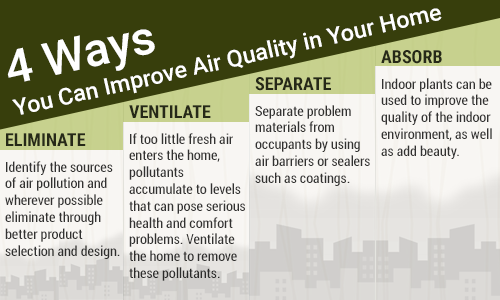
As we spend more time indoors, it’s essential to maintain good indoor air quality. Cleaning your home air is not a difficult task, but it requires some effort and knowledge of the right tools and methods.
Why Clean Your Home Air?
Poor indoor air quality can lead to various health problems, including allergies, respiratory issues, and even cancer. It’s crucial to understand the causes of poor indoor air quality and take steps to improve it.
Causes of Poor Indoor Air Quality
The main causes of poor indoor air quality are:
- Volatile Organic Compounds (VOCs): Chemicals released by household products, furniture, and building materials.
- Particulate Matter: Pollen, dust, and other airborne particles that can aggravate respiratory issues.
- Mold and Mildew: Fungi that grow in damp environments and release spores into the air.
Cleaning Your Home Air: Tips and Tricks
Here are some effective ways to clean your home air:
- Use HEPA Filters: High-Efficiency Particulate Air filters can capture 99.97% of particles as small as 0.3 microns.
- Regularly Clean Surfaces: Dust, vacuum, and mop surfaces regularly to reduce particulate matter in the air.
- Use an Air Purifier: An air purifier can help remove VOCs and other airborne pollutants from your home.
- Improve Ventilation: Regularly open windows and use fans to improve ventilation and remove stale air.
Understanding VOCs
VOCs are a common source of indoor air pollution. Some examples of VOCs include:
- Formaldehyde
- Benzene
- Toluene
These chemicals can come from various sources, including household products, furniture, and building materials.
Measuring Indoor Air Quality
There are several ways to measure indoor air quality, including:
- Air Quality Monitors: Devices that track particulate matter, VOCs, and other airborne pollutants.
- Sensor-Based Systems: Systems that use sensors to detect and report on indoor air quality issues.
Home Purifiers and Filtration
There are many home purifiers and filtration systems available that can help improve indoor air quality. Some popular options include:
- HEPA Filters: High-Efficiency Particulate Air filters that capture 99.97% of particles as small as 0.3 microns.
- Activated Carbon Filters: Filters that use activated carbon to absorb VOCs and other airborne pollutants.
Natural Air Purifiers
Some natural methods can help purify the air in your home:
- Plants: Certain plants, such as peace lilies and snake plants, have been shown to remove VOCs from the air.
- Water: Using a water fountain or humidifier can help purify the air by adding moisture to it.
Indoor Air Quality Testing
Before making any changes to your home’s air quality, consider testing your indoor air quality using an air quality monitor. This will give you a better understanding of the types of pollutants present in your home and what steps need to be taken to improve it.
Reducing Indoor Air Pollution Sources
Some common sources of indoor air pollution include:
- Cigarette Smoke: Cigarette smoke contains thousands of chemicals, many of which are known carcinogens.
- Cooking Fumes: Cooking fumes from stovetops and ovens can contain VOCs and particulate matter.
- Pet Dander: Pet dander can exacerbate allergies and respiratory issues.
Creating a Healthy Indoor Air Quality Plan
To create a healthy indoor air quality plan, consider the following steps:
- Identify sources of pollution
- Use HEPA filters and air purifiers
- Regularly clean surfaces
- Improve ventilation
- Test your indoor air quality
Conclusion
Cleaning your home air is an important step towards improving your health and well-being. By understanding the causes of poor indoor air quality, using HEPA filters and air purifiers, and exploring natural methods for purification, you can create a healthier living space.
Additionally, by reducing indoor air pollution sources and creating a healthy indoor air quality plan, you can take control of your environment and breathe easier.


