
As we discuss the benefits of snail slime in natural cosmetics, when it comes to gardening, garden snails (garden slugs and snails) pose a significant threat to crops.
When referring to snails in gardens, we actually mean two types: garden snails (snails with shells) or garden slugs (snails without shells). In this article, we will focus on removing garden slugs from the garden, while, for snails with shells, we recommend checking out our other article on How to Remove Snails from Your Garden.
Understanding Garden Slugs
Garden slugs are large, land-dwelling mollusks without a shell. They feed on leaves and fruits of garden plants. To minimize the damage caused by garden slugs, it is essential to remove them from your garden as soon as possible.
The Damage Caused by Garden Slugs
Garden slugs can cause significant damage to crops if not removed promptly. These pests can chew through a wide variety of plant material, including leaves, stems, and roots. They also have the ability to penetrate the skin of plants using their radula, which is a tongue-like structure covered in tiny teeth. This can lead to nutrient deficiencies and reduced crop yields.
The Benefits of Removing Garden Slugs
Removing garden slugs from your garden has numerous benefits. These include:
- Reduced damage to crops: By removing garden slugs, you can minimize the amount of damage they cause to your plants.
- Improved crop yields: With fewer pests competing for food and resources, your plants are more likely to grow and produce healthy fruit and vegetables.
- Increased quality of life: Removing garden slugs can make your outdoor spaces more enjoyable and reduce stress caused by pest infestations.
Removing Garden Slugs: A Step-by-Step Guide
To eliminate garden slugs, follow these steps:
- Maintain clean garden beds: Remove weeds and debris in the surrounding areas to prevent snails from hiding and reproducing.
- Use iron phosphate baits: Iron phosphate is an effective method for limiting slug invasions. Apply it according to the manufacturer’s instructions to prevent contamination of your crops.
- Avoid using pesticides: Pesticides can contaminate your crops and harm other beneficial insects in the garden, making them an ineffective and potentially harmful solution to pest control.
Using Snail Traps to Remove Garden Slugs
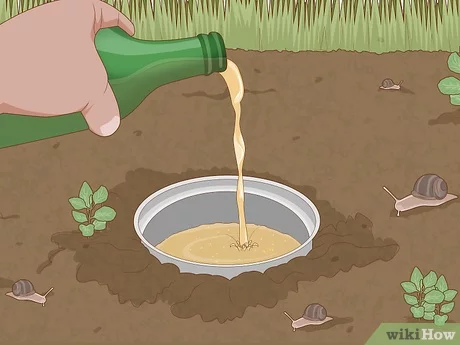
Snail traps are a popular method for removing garden slugs from gardens. These traps attract snails with their scent or appearance, allowing you to capture and release them away from your crops. Some common types of snail traps include:
- Metal traps: Metal traps can be shaped like a log or other natural feature that attracts snails.
- PVC pipes: PVC pipes can be used as snail traps by filling them with water or bait.
- Compost piles: Compost piles can be used to capture snails, which will fall into the pile and drown.
Small Garden Slugs: A Different Story
There are smaller garden slugs that live underground and damage the roots of your garden plants. These slugs belong to the family Arionidae but have different species like Arion hortensis, Arion distinctus, Arion silvaticus, and Arion intermedius. To remove these small garden slugs from your garden, try using old coffee grounds or salt as a natural pest repellent.
Conclusion
Garden snails can cause significant damage to crops if not removed promptly. By following the steps outlined above and combining them with other natural methods, you can effectively eliminate garden slugs from your garden without harming beneficial insects or the environment. Remember to maintain clean garden beds, use iron phosphate baits, and avoid using pesticides.
Frequently Asked Questions (FAQs)
- What are the best ways to remove garden snails?
Using iron phosphate baits, snail traps, and natural pest repellents like coffee grounds or salt. - Can I use pesticides to kill garden slugs?
Avoid using pesticide products as they may contaminate your crops and harm other beneficial insects in the garden. - How do I prevent garden slugs from damaging my plants?
By removing weeds, maintaining clean garden beds, and using natural pest repellents like coffee grounds or salt. - What types of plants repel garden slugs?
Garlic and mint are two popular plants that can help deter garden slugs from your garden. - Are there any organic farming methods to remove garden slugs?
Yes, iron phosphate baits and snail traps can be used as part of an integrated pest management plan in organic farming. - How often should I repeat the application of iron phosphate baits?
Repeated applications over a period of 7-8 days until slugs disappear completely are recommended. - Can I use coffee grounds to repel garden slugs?
Yes, old coffee grounds can be used as a natural pest repellent to deter small garden slugs from your garden.
In conclusion, removing garden snails is an important part of maintaining a healthy and productive garden. By following the steps outlined above and using other natural methods, you can effectively eliminate garden slugs without harming beneficial insects or the environment.


