
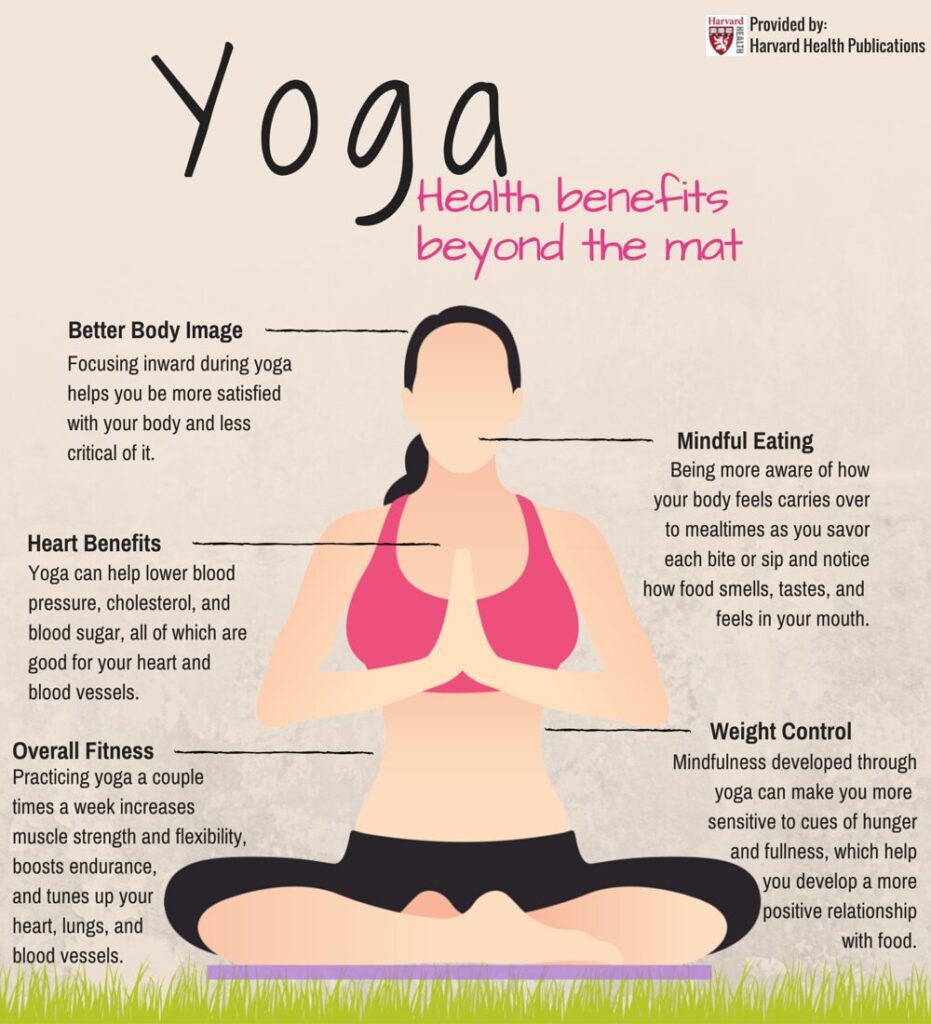
Yoga has been practiced for centuries, and its benefits on both physical and mental health have been extensively studied. In this article, we will explore the proven scientific benefits of yoga, from its history to its effects on various aspects of our well-being.
What is Yoga?
The term “yoga” originates from Sanskrit, meaning “union” or “unity.” It refers to the ancient practice of uniting the body, mind, and spirit. Today, yoga has become a popular form of exercise in the Western world, but its spiritual roots run deep. The ultimate goal of yoga is to bring balance to all aspects of our lives.
The Benefits of Yoga: Mental Health
Recent studies have confirmed that yoga has numerous mental health benefits. Researchers at Duke University Medical Center conducted over 100 studies on yoga to understand its effects on various psychological disorders.
Some of the conditions that yoga has been shown to benefit include:
- Depression: Yoga has been found to reduce symptoms of depression and improve overall mental well-being.
- Schizophrenia: Studies have shown that yoga can help alleviate symptoms of schizophrenia, such as hallucinations and delusions.
- Attention Deficit Hyperactivity Disorder (ADHD): Yoga has been found to improve focus and concentration in individuals with ADHD.
- Insomnia: Practicing yoga can help regulate sleep patterns and improve the quality of sleep.
The Benefits of Yoga: Physical Health
In addition to its mental health benefits, yoga also has numerous physical benefits. Some of the advantages of practicing yoga include:
- Improved flexibility: Regular practice of yoga can increase flexibility and range of motion.
- Strength and muscle tone: Yoga can help build strength and improve muscle tone, particularly in the core muscles.
- Better digestion: Practicing yoga can aid in digestion and reduce symptoms of irritable bowel syndrome (IBS).
- Improved circulation: Yoga has been found to improve blood flow and circulation, which can help reduce inflammation and promote overall health.
The Benefits of Yoga: Spirituality and Self-Awareness
Yoga is not just a physical practice; it also has profound spiritual and philosophical benefits. By uniting the body, mind, and spirit, yoga can help individuals develop greater self-awareness and understanding of themselves and the world around them.
Some of the ways that yoga can promote spirituality and self-awareness include:
- Increased mindfulness: Practicing yoga can help individuals cultivate greater mindfulness and presence in their daily lives.
- Improved emotional regulation: Yoga has been found to improve emotional regulation, which can lead to greater emotional intelligence and well-being.
- Greater sense of purpose: Regular practice of yoga can help individuals develop a greater sense of purpose and direction in life.
The Benefits of Yoga: Stress Reduction and Relaxation
Yoga is often referred to as “exercise for the mind,” body, and spirit.” One of the most significant benefits of practicing yoga is its ability to reduce stress and promote relaxation. By combining physical postures, breathing techniques, and meditation, yoga can help individuals calm their minds and bodies.
Some of the ways that yoga can reduce stress and promote relaxation include:
- Reduced cortisol levels: Practicing yoga has been found to decrease cortisol levels, which can help reduce stress and anxiety.
- Improved mood: Yoga has been shown to improve mood and reduce symptoms of depression and anxiety.
- Better sleep: Regular practice of yoga can help regulate sleep patterns and improve the quality of sleep.
Conclusion
Yoga is a powerful tool for improving physical, mental, and spiritual health. With its numerous benefits, including reduced stress and improved flexibility, it’s no wonder that yoga has become a popular form of exercise in the Western world.
Whether you’re looking to improve your mental health, increase your physical strength, or simply feel more connected to yourself and the world around you, yoga has something to offer.
So why not give yoga a try? With its numerous benefits and spiritual roots, it’s an excellent choice for anyone looking to improve their overall well-being.
Frequently Asked Questions
- What is the best way to start practicing yoga?
- Begin with beginner-friendly classes or online tutorials that focus on basic postures and breathing techniques.
- Can I do yoga if I’m not flexible or have injuries?
- Yes, many yoga styles cater to beginners and those with injuries or limitations. Consider working with a qualified instructor who can tailor a practice to your needs.
- How often should I practice yoga?
- Aim for at least 2-3 times per week, with a minimum of 30 minutes per session. As you become more comfortable with the practice, you can increase frequency and duration.
- What are some common myths about yoga?
- Myth: Yoga is only for flexibility. Reality: While flexibility is an aspect of yoga, it’s not the only focus. Many styles emphasize strength, balance, and relaxation.
- Can I practice yoga if I have a busy schedule?
- Yes, many yoga styles can be practiced in short intervals throughout the day. Consider incorporating short practices into your daily routine to maximize benefits.
-
How do I know if I’m doing yoga correctly?
- Listen to your body and honor its limitations. If you experience discomfort or pain, modify or rest. A qualified instructor can also provide guidance on proper alignment and technique.
-
What are some common benefits of practicing yoga?
Benefits include:
-
Reduced stress and anxiety
- Improved flexibility and range of motion
- Increased strength and muscle tone
- Better digestion and reduced symptoms of IBS
- Improved circulation and reduced inflammation
-
Greater self-awareness and emotional intelligence
-
Can yoga help with weight loss?
While yoga can aid in weight loss, it’s essential to maintain a balanced diet and regular exercise routine.
-
Is yoga suitable for pregnant women?
Many prenatal yoga classes cater specifically to pregnant women. Consult with a qualified instructor before starting practice.
-
How long does it take to see results from practicing yoga?
- The benefits of yoga can be seen in as little as a few weeks, depending on the individual and their practice. Regular practice will lead to greater overall well-being and more noticeable improvements over time.
Types of Yoga
There are numerous types of yoga, each with its unique focus and style. Some popular styles include:
- Hatha Yoga: A traditional form of yoga that emphasizes physical postures (asanas) and breathing techniques (pranayama).
- Vinyasa Yoga: A flowing style of yoga that links movement with breath.
- Ashtanga Yoga: A fast-paced, physically demanding style of yoga that involves a set sequence of postures.
- Iyengar Yoga: A style of yoga that emphasizes precise alignment and the use of props to support the body in various postures.
- Kundalini Yoga: A spiritual style of yoga that focuses on the release of energy through postures, breathing techniques, and meditation.
Yoga for Beginners
For those new to yoga, it’s essential to start with beginner-friendly classes or online tutorials. These resources will introduce you to basic postures and breathing techniques, helping you build a strong foundation for your practice.
Some tips for beginners include:
- Start slow: Begin with short practices (10-15 minutes) and gradually increase duration as you become more comfortable.
- Listen to your body: Honor your limitations and modify or rest when needed. It’s better to start slow and build up strength than to risk injury.
- Focus on breath: Pay attention to your breath and use it as a guide for movement and relaxation.
Yoga for Advanced Practitioners
For those who have been practicing yoga for some time, there are numerous ways to continue challenging themselves and deepening their practice. Some options include:
- Incorporating new postures: Gradually add more complex or advanced postures to your practice.
- Exploring different styles: Try out various yoga styles, such as Vinyasa or Ashtanga, to challenge yourself and broaden your understanding of the practice.
- Working with a qualified instructor: Seek guidance from an experienced teacher who can help you refine your technique and deepen your understanding of the practice.
Conclusion
Yoga is a powerful tool for improving physical, mental, and spiritual health. With its numerous benefits, including reduced stress and improved flexibility, it’s no wonder that yoga has become a popular form of exercise in the Western world.
Whether you’re looking to improve your mental health, increase your physical strength, or simply feel more connected to yourself and the world around you, yoga has something to offer.
So why not give yoga a try? With its numerous benefits and spiritual roots, it’s an excellent choice for anyone looking to improve their overall well-being.


