
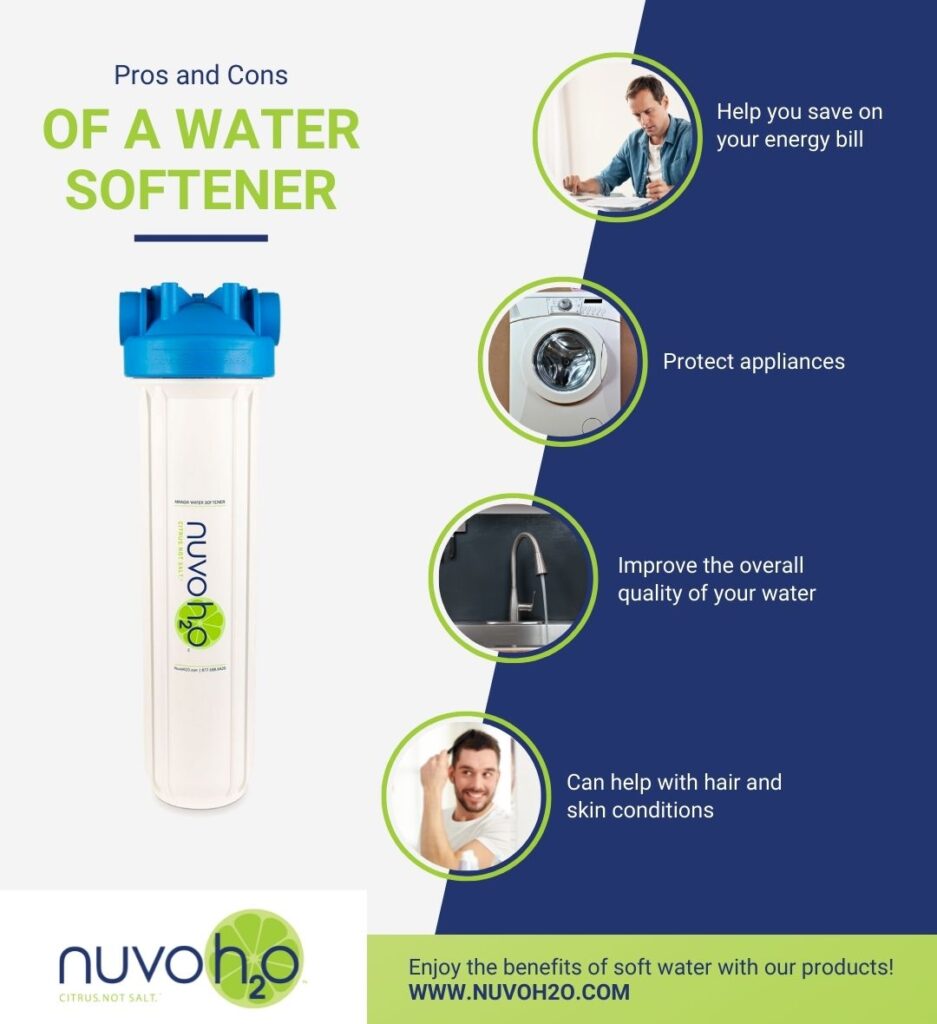
Understanding Water Softeners: Benefits and Drawbacks
Water softeners are electrical appliances designed to remove minerals, primarily calcium and magnesium, from hard water, making it softer. These minerals can cause scaling, damage to household appliances, and other issues.
Why is Hard Water a Problem?
Hard water contains high levels of dissolved minerals, which can lead to several problems:
- Scaling: Mineral deposits can build up on pipes, appliances, and fixtures, reducing their lifespan.
- Corrosion: Minerals can react with metals, causing corrosion and damage to household items.
- Spotting: Hard water can leave unsightly stains on surfaces.
The Effects of Hard Water
Hard water can be particularly problematic for households with:
- Lavastovigliese and washing machines: These appliances require more detergent and energy due to the hardness of the water, which can increase utility bills.
- Dishwashers: The high mineral content in hard water can cause more frequent breakdowns and wear on the machine.
- Showers and bathtubs: Limescale buildup from hard water can lead to reduced water pressure and decreased appliance lifespan.
How Do Water Softeners Work?
Water softeners use a process called ion exchange to remove minerals from hard water. Here’s a simplified explanation of the process:
- The softener contains a resin that attracts sodium ions in exchange for calcium and magnesium ions.
- As the water flows through the system, the resin removes the minerals, leaving softer water.
Benefits of Water Softeners
Using a water softener can bring several advantages:
- Reduced maintenance: With less scaling and corrosion, household items last longer, reducing the need for repairs.
- Lower utility bills: By using less detergent and energy, households can save money on their utility bills.
- Easier cleaning: Soft water makes cleaning easier, as soap scum and mineral deposits are reduced.
Drawbacks of Water Softeners
While water softeners offer several benefits, there are some drawbacks to consider:
- Initial cost: Installing a water softener can be expensive, with prices ranging from $1000 to $1500.
- Maintenance costs: Replacing the resin every 6-12 months can add up in terms of maintenance costs.
- Salt usage: Water softeners require salt to work, which can increase household expenses.
Choosing the Right Water Softener
With various models available, choosing the right water softener for your household depends on several factors:
- Capacity: Consider how many people will be using the softener and the amount of water needed.
- Type: There are different types of water softeners, including salt-based and non-salt systems.
Costs and Installation
The cost of a water softener can vary depending on the model and installation costs:
- Salt-based systems: These systems require regular salt replacements.
- Non-salt systems: These systems do not require salt but may be more expensive upfront.
Installation Costs
Installation costs for a water softener can range from $100 to $500, depending on the complexity of the job and local labor rates.
Model Recommendations
Some popular models include:
- W2B800 by Water2Buy: This model is known for its affordability and effectiveness.
- WaterSoftener by GE Appliances: This system offers a range of features and capacities.
Conclusion
Hard water can cause significant problems for households, but using a water softener can alleviate these issues. By understanding how water softeners work and weighing the benefits against the drawbacks, homeowners can make an informed decision about whether to install one.


