
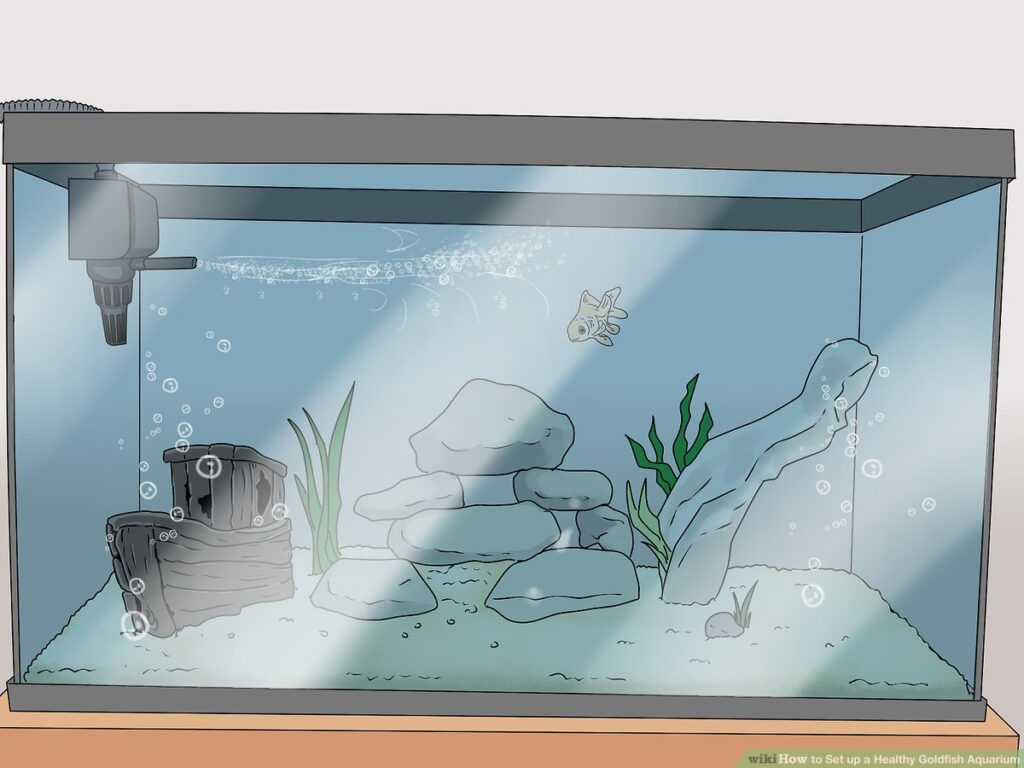
As a responsible aquarist, choosing the right environment for your red fish is crucial. Just like humans need their own spaces to thrive, red fish require spacious and clean habitats with adequate lighting, comfortable water temperature, and nutritious food.
Choosing the Right Space
The ideal space for an aquarium for red fish is at least 50 liters per each fish. This ensures that they have enough room to swim without overcrowding and stress. A rectangular tank is recommended over a bowl-shaped one, as it provides better circulation and growth opportunities for your red fish. Acrylic or glass tanks are preferred over plastic ones, which can compromise the health of your fish due to poor water quality and inadequate filtration.
A well-planned layout with plenty of hiding places, plants, and decorations will also help reduce stress and provide a natural environment for your red fish. However, avoid using sharp objects like rocks or small stones that could harm them. Instead, opt for carefully selected rocks and decorations that are safe for your aquatic friends.
When selecting the tank size, consider the mature size of the fish and leave some extra space for growth. Red fish can grow significantly, so it’s better to err on the side of caution and choose a larger tank. Additionally, consider the aquarium’s placement in the home, ensuring it is away from direct sunlight, drafts, and other potential hazards.
Water Quality and Filtration
Proper filtration is essential to maintain good water quality and ensure the health of your red fish. A double filtration system is recommended, with a biological filter being the most effective option. However, you can also use other types of filters like sand-based or activated carbon ones if needed.
A well-designed filtration system should include:
- A biological filter: This type of filter uses beneficial bacteria to break down waste and produce nutrients for your fish.
- A mechanical filter: This type of filter removes debris and food particles from the water.
- An optional chemical filter: This type of filter can be used to remove impurities like chlorine or heavy metals.
Regular maintenance is crucial to ensure optimal filtration. Regularly clean the filters, check water parameters, and perform partial water changes to maintain healthy water conditions.
Avoid shocking your red fish with sudden changes in water temperature or quality, as this can cause stress and harm them. Instead, introduce the aquarium gradually, allowing the beneficial bacteria to establish themselves before adding your fish.
Social Interactions
While red fish are generally solitary animals, it’s not uncommon for them to form small groups in the wild. When choosing multiple fish for your aquarium, make sure they are compatible with each other and from the same species group. Mixing different species can lead to stress and aggression among the fish.
The four main categories of red fish are:
- Classic Red Fish
- Rare Red Fish (including Shubunkin)
- Oranda Red Fish (known for their white markings)
- Exotic Red Fish (like Testa di Leone, Ryukin, and Scaglie Perlacee)
When choosing multiple fish, consider the following:
- Compatibility: Choose fish that are compatible with each other in terms of size, temperament, and swimming style.
- Species group: Keep fish from the same species group together to minimize aggression and stress.
- Group size: Avoid overcrowding the aquarium by keeping a maximum of 2-3 fish per 50 liters.
Additional Essentials
In addition to the tank, filtration system, and decorations, you’ll also need:
- A thermometer to monitor water temperature
- An oxygenator to maintain adequate oxygen levels
- A net for catching fish or cleaning the aquarium
- A vacuum cleaner for removing debris from the substrate
- Water test kits to monitor water parameters
- Aquarium covers to prevent algae growth
A well-balanced diet consisting of high-quality food with added vitamins will keep your red fish healthy and thriving.
Diet and Nutrition
Red fish are omnivores, requiring a balanced diet that includes both plant-based and animal-based ingredients. A good quality commercial flake or pellet should be the main staple of their diet, supplemented with live or frozen foods like brine shrimp, bloodworms, or earthworms.
When feeding your red fish, consider the following:
- Feed sparingly: Only feed enough to satisfy their hunger, as overfeeding can lead to water quality issues and digestive problems.
- Provide a varied diet: Mix up the types of food you offer to ensure a balanced nutrient intake.
- Avoid overfeeding: Reduce or stop feeding during periods of stress, illness, or when the aquarium is under maintenance.
Frequently Asked Questions
- Q: How often should I change the water in my aquarium?
A: Regular water changes are crucial to maintain good water quality. Aim for at least one weekly change. - Q: What type of food is best for red fish?
A: Offer a varied diet with high-quality food and added vitamins to ensure your fish stays healthy. - Q: Can I keep multiple species of red fish together?
A: Mixing different species can lead to stress and aggression among the fish. Stick to compatible groups within the same species category. - Q: How often should I clean my aquarium?
A: Clean your aquarium regularly, ideally every week, to remove debris and maintain optimal water quality. - Q: What is the ideal temperature range for red fish?
A: Red fish thrive in a stable water temperature between 15°C and 22°C (59°F-72°F). - Q: Can I use tap water for my aquarium?
A: No, it’s recommended to use distilled or reverse-osmosis water to minimize chlorine and other impurities that can harm your red fish. - Q: How often should I perform a partial water change?
A: Perform partial water changes (about 25-50% every week) to maintain optimal water quality and prevent disease.
Common Issues and Solutions
- Brown algae buildup: Regularly clean the aquarium, increase lighting, or consider using an algae-control product.
- Fish stress or aggression: Monitor water parameters, reduce stressors like overcrowding, and provide plenty of hiding places and decorations.
- Disease outbreaks: Quarantine infected fish, perform partial water changes, and treat with medication as needed.
By following these guidelines, you’ll be well on your way to creating a thriving aquarium for your beloved red fish. Happy aquarium keeping!
Red Fish Aquarium Care Tips
- Avoid overfeeding: Feed sparingly and only when your fish are actively swimming.
- Monitor water parameters: Regularly test the water for ammonia, nitrite, and nitrate levels.
- Provide plenty of hiding places: Add plants, rocks, and decorations to reduce stress and aggression.
- Maintain stable water temperature: Avoid sudden changes in water temperature to prevent stress and disease.
- Regularly clean the aquarium: Perform weekly or bi-weekly partial water changes to maintain optimal water quality.
By providing your red fish with a healthy environment and proper care, you’ll be rewarded with a thriving and enjoyable aquarium experience.


