
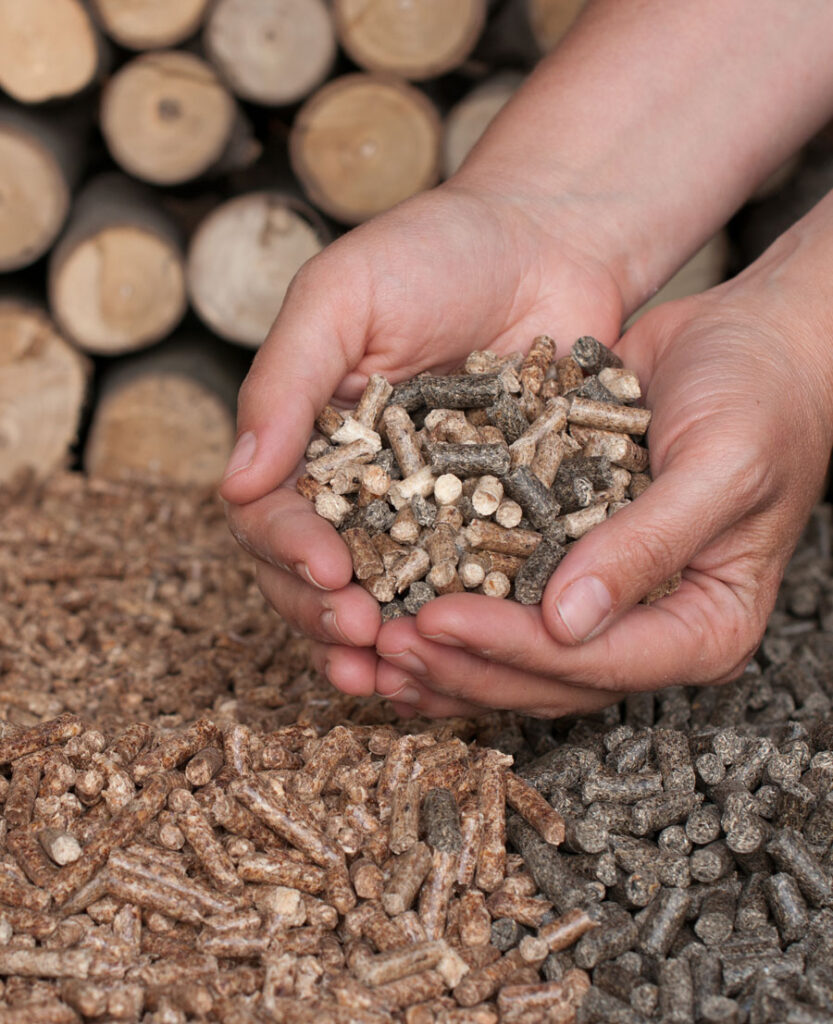
As the world shifts towards a more sustainable future, the demand for eco-friendly heating solutions is on the rise. One popular option is pellet fuel, which can be sourced from recycled materials such as sawdust and wood chips. In this article, we’ll explore the benefits of buying pellet in bulk and provide guidance on how to choose the right one for your needs.
What is Pellet Fuel?
Pellet fuel is a type of biomass that is made from compressed sawdust or wood chips. It’s a renewable energy source that can be used to heat homes, businesses, and industrial processes. Unlike traditional fossil fuels, pellet fuel produces significantly less greenhouse gas emissions and is often considered a more sustainable option.
Benefits of Buying Pellet in Bulk
Buying pellet in bulk has several advantages over purchasing smaller quantities. Here are some benefits to consider:
- Cost savings: Purchasing in bulk can lead to significant cost savings, as the price per unit is often lower than buying individual pellets.
- Convenience: Having a large supply of pellet fuel on hand eliminates the need for frequent deliveries or purchases, making it easier to maintain a consistent heat source.
- Reduced waste: Buying in bulk reduces packaging waste and minimizes the environmental impact associated with transportation.
Choosing the Right Pellet Fuel
When selecting a pellet fuel supplier, consider the following factors:
- Quality: Look for suppliers that offer high-quality pellets made from sustainably sourced materials. These pellets will burn more efficiently and produce less emissions.
- Price: Compare prices among different suppliers to find the best value for your money. Keep in mind that cheaper options may not always be the most cost-effective choice.
- Delivery: Consider the logistics of delivery, including transportation costs and scheduling.
Types of Pellet Fuels
There are several types of pellet fuels available, each with its unique characteristics and benefits:
- Faggio: Made from fir wood, faggio pellets offer a high energy density and are often used for industrial applications.
- Abete: Composed of spruce wood, abete pellets have a lower energy density than faggio but are still an effective option for home heating.
- Canadese: Produced in Canada, canadese pellets are known for their high quality and consistency.
FAQs
Here are some frequently asked questions about buying pellet fuel:
- What is the average cost of pellet fuel per unit?
- The cost of pellet fuel varies depending on the supplier, location, and type of material used. On average, pellet fuel costs between $2.50 and $5.00 per kilogram.
- How much heat does a bag of pellets produce?
- The amount of heat produced by a bag of pellets depends on the energy density of the material. On average, a bag of pellets can produce around 10-20 megajoules (MJ) of heat.
- Can I use pellet fuel in my boiler if it’s not designed for biomass?
- While some boilers may be able to handle pellet fuel, it’s essential to check the manufacturer’s specifications and consult with a professional before making any modifications.
Safety Considerations
When handling and storing pellet fuel, there are several safety considerations to keep in mind:
- Ventilation: Ensure proper ventilation when using pellet fuel to avoid inhaling combustion byproducts.
- Storage: Store pellets in a well-ventilated area, away from flammable materials.
- Handling: Handle pellets with care, as they can be slippery and cause accidents.
Sustainability
Pellet fuel is considered a sustainable option due to its renewable nature and lower greenhouse gas emissions compared to traditional fossil fuels. However, it’s essential to consider the environmental impact of pellet production and transportation:
- Source materials: Ensure that the source materials used to produce pellets are sustainably sourced and certified by organizations such as the Forest Stewardship Council (FSC).
- Transportation: Opt for suppliers with efficient transportation systems to minimize carbon emissions.
Conclusion
Buying pellet in bulk can be a cost-effective and convenient way to heat your home or business. By choosing the right pellet fuel, considering sustainability factors, and following safety guidelines, you can enjoy the benefits of biomass heating while minimizing its environmental impact.


