
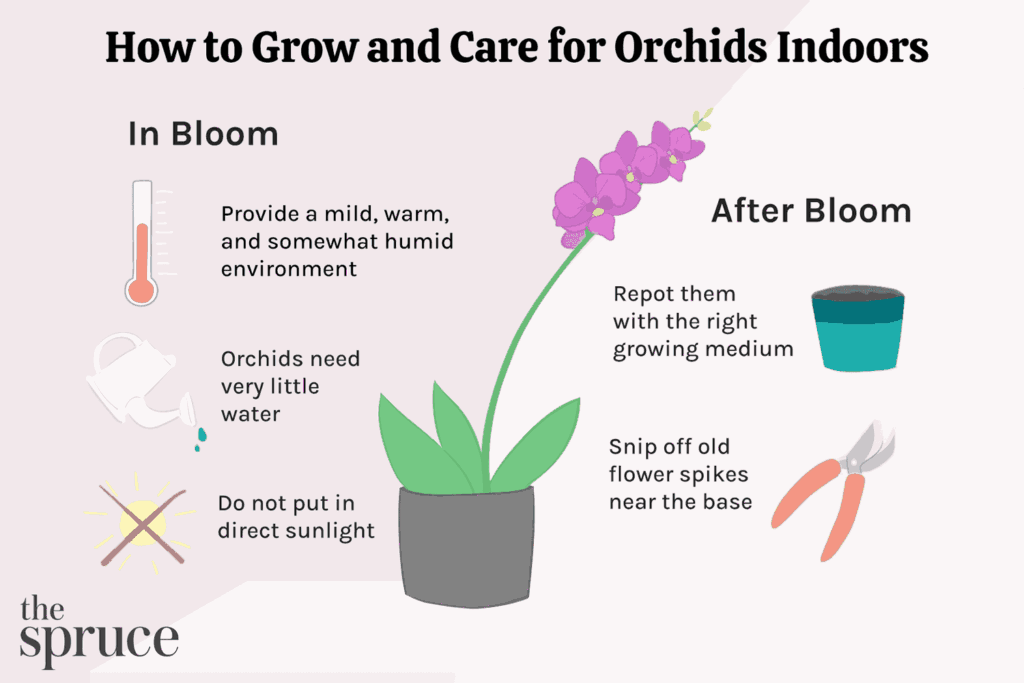
As an orchid enthusiast, you’re likely aware that these beautiful flowers require specific conditions to thrive. But did you know that even after the bloom has finished, your orchid needs special care to encourage it to produce new flowers? In this article, we’ll explore the essential factors that contribute to an orchid’s blooming cycle and provide expert advice on how to create the perfect environment for a second bloom.
The Key Factors That Promote Orchid Blooming
For an orchid to bloom, several key factors must be in place. These include:
- A temperature range between 65-75°F (18-24°C)
- Bright, indirect light
- Proper watering and fertilization
- Adequate humidity
- A balanced potting mix
By providing these conditions, you can stimulate your orchid to produce new flowers.
The Importance of Potting
Orchids don’t require a traditional pruning process. Instead, they benefit from “tipping” or cutting back the flower stalks after blooming. This technique allows the plant to redirect its energy towards producing new growth and flowers.
- Tipping can be done immediately after blooming or at any other time when you want to encourage your orchid to produce more blooms.
- The decision on whether to tip or not depends on the type of orchid, its age, and the desired outcome.
Orchid Phalaenopsis: A Special Case
The Phalaenopsis orchid, commonly known as the “moth orchid,” is a popular choice among enthusiasts. Its unique flower shape and relatively low maintenance requirements make it an ideal species for beginners.
- To care for your Phalaenopsis, make sure to provide bright, indirect light and maintain a consistent temperature between 65-75°F (18-24°C).
- Watering should be done carefully, as overwatering can lead to root rot.
- Fertilization is essential, but be cautious not to overfertilize.
Rinsing Your Orchid: A Guide
Before repotting your orchid, it’s essential to rinse its roots to prevent damage and promote healthy growth. Here’s a step-by-step guide:
- Water the plant thoroughly 24 hours before repotting.
- Remove the plant from its pot and gently wash off any debris or old potting mix.
- Rinse the roots in lukewarm water for about 10-15 minutes to remove any remaining potting mix.
By following these steps, you can ensure a smooth transition for your orchid when repotting it.
Additional Tips and Tricks
Here are some additional tips to keep in mind:
- Orchids prefer well-draining potting mixes to prevent waterlogged soil.
- Regular pruning can help maintain the plant’s shape and encourage blooming.
- Consider using a humidity tray or misting the plant regularly to maintain optimal humidity levels.
Repotting an Orchid: A Step-by-Step Guide
Repotting your orchid is an essential part of its care. Here’s a step-by-step guide on how to do it:
- Choose a pot that is slightly larger than the current one, with good drainage holes.
- Remove any old potting mix from the plant’s roots.
- Gently wash off any debris or old potting mix from the roots.
- Rinse the roots in lukewarm water for about 10-15 minutes to remove any remaining potting mix.
- Fill the new pot with a well-draining potting mix, leaving enough space for the plant’s roots to grow.
- Plant the orchid in the new pot, making sure the crown is level with the soil surface.
Common Mistakes to Avoid
Here are some common mistakes to avoid when caring for your orchid:
- Overwatering: This can lead to root rot and other problems.
- Under-watering: This can cause the plant to become stressed and less likely to bloom.
- Inadequate light: Orchids need bright, indirect light to thrive.
By following these expert tips and understanding the unique needs of your orchid, you’ll be well on your way to growing a thriving, blooming plant. Happy growing!
Frequently Asked Questions
Here are some answers to common questions about orchids:
- Q: How often should I water my orchid?
A: Overwatering is the most common cause of death for orchids. Water your orchid once a week, or when the potting mix feels dry to the touch. - Q: Can I grow orchids indoors?
A: Yes, many types of orchids can thrive indoors with proper care and attention. - Q: How long does it take for an orchid to bloom?
A: The blooming cycle of an orchid can range from a few months to several years, depending on the species and growing conditions.
By following these expert tips and understanding the unique needs of your orchid, you’ll be well on your way to growing a thriving, blooming plant. Happy growing!


