
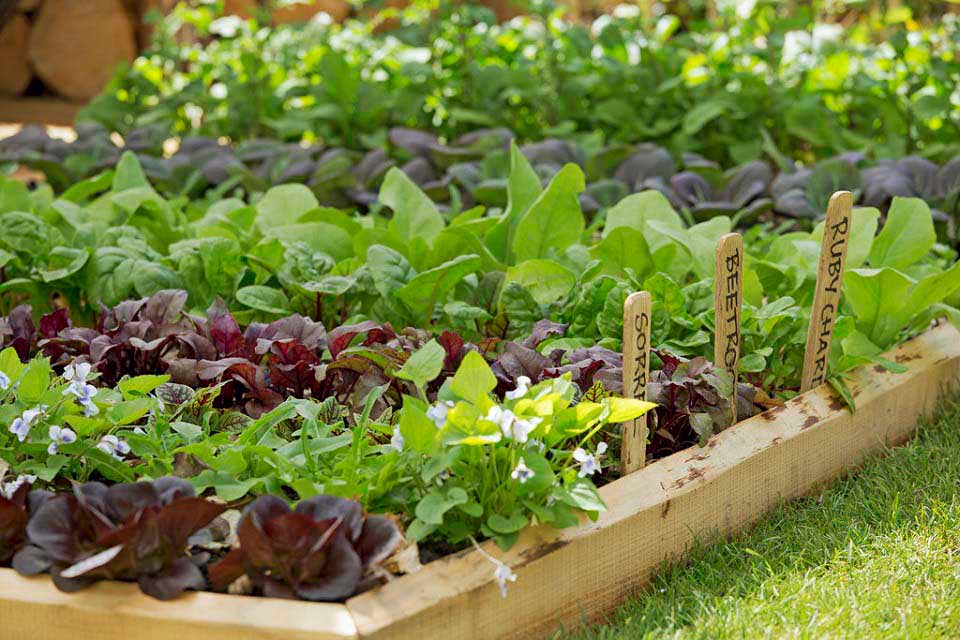
In the world of education, there’s a new frontier that’s gaining attention – the school garden. This innovative approach to learning combines hands-on activities with environmental awareness, promoting a sense of community and responsibility among students. In this article, we’ll explore the concept of a school garden, its benefits, and how to get started.
What is a School Garden?
A school garden is an outdoor space where students can learn and grow, literally and figuratively. It’s a place where they can experiment with different plants, understand the life cycle of living things, and develop essential skills like gardening, teamwork, and problem-solving. The school garden is not just about growing vegetables or flowers; it’s a holistic approach to learning that integrates academics, art, and physical activity.
Benefits of a School Garden
The benefits of a school garden are numerous and far-reaching. By incorporating this program into their curriculum, educators can:
- Develop students’ critical thinking skills through hands-on experiences
- Foster a sense of curiosity and wonder about the natural world
- Encourage STEM education (science, technology, engineering, and mathematics) through gardening and environmental science
- Build community engagement and cooperation among students
- Promote physical activity and outdoor learning
- Support mental health and well-being
Why is a School Garden Important?
A school garden can have a profound impact on students’ lives. By immersing themselves in nature, they can develop a deeper appreciation for the environment and its importance. As the renowned ecologist E.O. Wilson once said, “In nature, nothing exists alone.” The school garden provides an opportunity for students to connect with each other, their community, and the natural world.
Who Can Start a School Garden?
Anyone can start a school garden! Whether you’re an educator, parent, or community member, there are resources available to help you get started. Look for local organizations that offer gardening workshops, seed libraries, and volunteer opportunities. You can also reach out to your school administration to explore potential funding and support.
Getting Started with Your School Garden
Starting a school garden is easier than you think! Here are some steps to follow:
- Assess your space: Even if your school doesn’t have a designated garden area, there may be other spaces that can be repurposed.
- Form a team: Gather like-minded educators, parents, and students to help plan and maintain the garden.
- Choose your crops: Select plants that are easy to grow and require minimal maintenance.
- Obtain necessary resources: Acquire seeds, tools, and materials from local nurseries or online suppliers.
- Establish a routine: Schedule regular gardening sessions, such as weekly or bi-weekly, to ensure the garden receives attention.
Tips for Success
Here are some additional tips to keep in mind:
- Start small: Begin with a manageable size garden that can be easily maintained.
- Involve the community: Engage parents and local residents to help with planting, harvesting, and other tasks.
- Be patient: Gardening is a process that requires time, effort, and patience.
Types of School Gardens
There are various types of school gardens that cater to different needs and goals. Some examples include:
- Vegetable garden: A traditional garden where students can grow a variety of vegetables for consumption or use in the classroom.
- Pollinator garden: A garden designed to attract pollinators like bees, butterflies, and hummingbirds, promoting biodiversity and environmental awareness.
- Native plant garden: A garden that features native plants, shrubs, and trees, teaching students about local flora and conservation efforts.
- Therapeutic garden: A garden specifically designed for therapeutic purposes, providing a calming environment for students with mental health challenges.
Incorporating School Gardens into the Curriculum
School gardens can be seamlessly integrated into various subjects, including:
- STEM education: Hands-on gardening activities can teach scientific concepts like photosynthesis, soil composition, and water cycles.
- Language arts: Students can write stories or poetry inspired by their garden experiences, exploring themes of growth, change, and community.
- Social studies: Students can learn about local history, geography, and culture through the study of native plants, gardening traditions, and environmental issues.
- Art: Gardening provides a unique canvas for artistic expression, with students creating sculptures, mosaics, or paintings inspired by their garden experiences.
Measuring Success
To assess the effectiveness of your school garden, consider the following metrics:
- Student engagement: Track attendance, participation, and interest in gardening activities.
- Plant growth: Monitor plant health, growth rate, and yields to evaluate garden productivity.
- Environmental impact: Measure water usage, waste reduction, and carbon sequestration to assess the garden’s ecological benefits.
- Community involvement: Evaluate community engagement through volunteer hours, fundraising efforts, and outreach programs.
Challenges and Solutions
Starting a school garden can come with its share of challenges. Some common issues include:
- Limited space: Finding sufficient space for a garden in an urban or suburban setting can be difficult.
- Funding: Securing funding for the garden’s maintenance, materials, and supplies can be challenging.
- Accessibility: Ensuring that all students have equal access to the garden, regardless of ability or disability, is crucial.
To overcome these challenges:
- Collaborate with local organizations: Partner with community groups, nurseries, or gardening clubs to share resources and expertise.
- Seek grants and funding opportunities: Explore available grants, crowdfunding campaigns, and sponsorships to support your school garden.
- Inclusive design: Design the garden with accessibility in mind, incorporating features like raised beds, wheelchair-accessible paths, and adaptive tools.
Conclusion
Creating a school garden is a revolutionary approach to learning that promotes hands-on education, environmental awareness, and community engagement. By incorporating this program into your curriculum, you can provide students with a holistic learning experience that fosters growth, creativity, and responsibility. So why not give it a try? Start small, be patient, and watch your school garden flourish!
Frequently Asked Questions
- Q: How much space do I need for a school garden?
A: You don’t need a lot of space to start a school garden! Even a small area, such as a patio or a corner of the playground, can be transformed into a thriving garden. - Q: What types of plants are best for a school garden?
A: Choose plants that are easy to grow and require minimal maintenance, such as tomatoes, lettuce, and herbs. Consider also incorporating native plants and pollinator-friendly species. - Q: Can I use chemicals in my school garden?
A: No! To promote healthy growth and minimize harm to the environment, opt for organic gardening practices that avoid chemical pesticides and fertilizers. - Q: How do I maintain a school garden on a tight budget?
A: Consider using recycled materials, borrowing tools from local nurseries, or seeking donations from community members. Additionally, look into grants and funding opportunities specific to your region. -
Q: Can my school garden be used for educational purposes beyond gardening?
A: Absolutely! The school garden can serve as a living classroom, providing opportunities for science experiments, art projects, and social studies lessons that integrate environmental awareness and community engagement. -
Q: How do I measure the success of my school garden?
A: Track student engagement, participation, and interest in gardening activities. Monitor plant growth, soil health, and water usage to assess the garden’s impact on the environment. -
Q: Can I use a school garden for therapy or mental health purposes?
A: Yes! The calming effects of nature and the sense of accomplishment from tending to plants can be therapeutic benefits for students with anxiety, depression, or other mental health challenges. -
Q: How do I ensure food safety in my school garden?
A: Establish guidelines for handling and preparing food grown in the garden. Ensure that all participants wash their hands regularly, especially before eating produce. Consider also establishing a composting system to recycle food waste.
By answering these frequently asked questions, you’ll be better equipped to create a thriving school garden that promotes learning, growth, and community engagement.


