
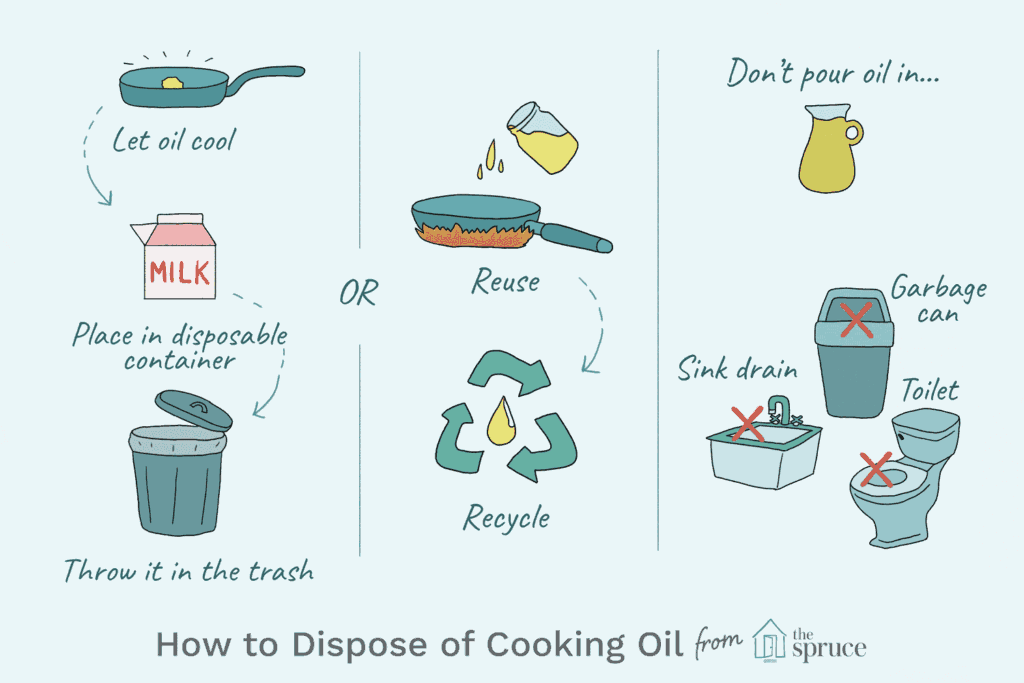
As Italians, we love cooking with oil – whether it’s for frying, seasoning, or conserving. However, the consequences of our daily culinary habits can be devastating for the environment. Did you know that 1.4 million tons of vegetable oils are consumed in Italy every year? Unfortunately, a staggering 200,000 tons of these oils end up in our sewage systems, causing harm to our planet.
The Importance of Proper Disposal
It’s time for us to take responsibility for our actions and make a change. One of the most critical steps is to learn how to dispose of used cooking oil properly. The wrong disposal methods can lead to serious environmental damage, including soil contamination, groundwater pollution, and harm to marine life.
So, what are we going to do? Let’s start by understanding the consequences of our actions and taking action to make a positive impact.
The Risks of Improper Disposal
When we pour used cooking oil down the drain or into the sink, it can cause significant problems:
- Soil Contamination: Used cooking oil can seep into the soil, causing damage to crops and vegetation.
- Groundwater Pollution: Oil can contaminate groundwater sources, posing a risk to human health and the environment.
- Harm to Marine Life: When oil enters our waterways, it can harm marine life, including fish and other aquatic animals.
The Solution: Proper Disposal and Recycling
So, what can we do instead? Here’s how you can collect and dispose of used cooking oil properly:
Collecting Used Cooking Oil
To start, you’ll need a designated container for collecting used cooking oil. You can purchase one from your local municipality or recycle an old detergent bottle.
- Choose the Right Container: Select a container that is specifically designed for collecting used cooking oil.
- Clean and Prepare the Container: Make sure to clean and prepare the container before use.
Raising Awareness
Now that you have the right tools, it’s time to spread the word. Let your friends and family know about the importance of proper disposal and recycling.
- Share Your Knowledge: Educate others on the risks of improper disposal and the benefits of recycling.
- Lead by Example: Show others that you care about the environment by making small changes in your daily life.
What’s Next?
Once you’ve collected your used cooking oil, it’s time to dispose of it properly. Here are some options:
Options for Disposal
There are several ways to dispose of used cooking oil:
- Local Collection Points: Many municipalities offer collection points specifically for used cooking oil.
- Recycling Centers: Some recycling centers accept used cooking oil.
- Restaurants and Cafes: Many restaurants and cafes have designated collection points for used cooking oil.
Benefits of Recycling
By recycling used cooking oil, you’ll not only be helping the environment but also contributing to the economy. Here are some benefits of recycling:
- Conservation of Natural Resources: Recycling helps conserve natural resources.
- Reduction of Waste: Recycling reduces waste and promotes sustainability.
- Job Creation: The recycling industry creates jobs and stimulates economic growth.
The Process of Recycling
When you recycle used cooking oil, it’s sent to a facility where it’s processed and refined into biodiesel or other products. Here’s an overview of the process:
- Collection: Used cooking oil is collected from households, restaurants, and cafes.
- Transportation: Collected oil is transported to a recycling facility.
- Cleaning: Oil is cleaned and refined to remove impurities.
- Biodiesel Production: Refined oil is converted into biodiesel.
- Product Manufacturing: Biodiesel is used to manufacture various products, such as fuels, lubricants, and industrial chemicals.
Creating a Community Program
If you’re interested in creating a community program to collect and recycle used cooking oil, here are some steps to follow:
- Identify Your Goals: Determine what you want to achieve with your program.
- Build a Team: Recruit volunteers and partners who share your goals.
- Promote the Program: Spread the word about your program through social media, local newspapers, and community events.
- Establish Collection Points: Identify locations where people can drop off used cooking oil.
- Develop a Recycling Process: Create a plan for collecting, transporting, and processing used cooking oil.
Challenges and Solutions
While creating a community program to collect and recycle used cooking oil is a rewarding endeavor, there are challenges that need to be addressed:
- Lack of Awareness: Some people may not know about the importance of recycling or how to properly dispose of used cooking oil.
- Limited Resources: Some communities may lack the resources needed to establish a successful recycling program.
Conclusion
Collecting and disposing of used cooking oil properly is a simple yet powerful way to make a positive impact on the environment. By spreading awareness, choosing the right container, and exploring options for disposal, we can all play a role in reducing waste and promoting sustainability. Whether you’re creating a community program or making small changes in your daily life, every effort counts.


