
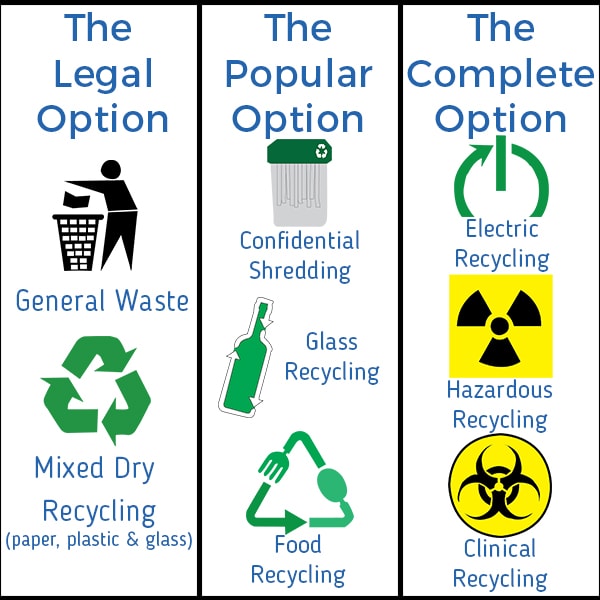
As we strive to preserve our planet, it’s essential to understand the importance of waste management. The sheer volume of waste can have devastating effects on our environment if we don’t take proactive measures. In this article, we’ll explore how to properly separate waste, including rules and guidelines to follow.
The Importance of Proper Waste Separation
Proper waste separation is crucial in preserving the environment. When we produce waste, it can have far-reaching consequences on our planet. By separating waste correctly, we can reduce the amount of waste that ends up in landfills and minimize its impact on the environment.
Setting Up a Waste Sorting System
To start separating waste, you’ll need to set up a system for collecting and sorting different types of waste. This includes:
- Organic waste: food scraps, vegetable peels, coffee grounds, etc.
- Plastic waste: bottles, containers, bags, etc.
- Glass waste: bottles, jars, etc.
- Metal waste: cans, aluminum foil, etc.
- Paper and cardboard waste: newspapers, cartons, boxes, etc.
- Non-recyclable waste: plastic wrap, straws, etc.
Labeling Your Containers
To avoid confusion when sorting waste, label each container with the type of material it contains. This will help you quickly identify what needs to be recycled or disposed of.
Rules for Separating Waste
When separating waste, follow these rules:
- Scrub and rinse: make sure to scrub and rinse all containers before recycling them.
- Remove lids and labels: remove lids and labels from containers before recycling them.
- Avoid mixed materials: avoid mixing different types of materials in the same container.
- Check for special guidelines: check with your local waste management agency for any special guidelines or regulations regarding specific types of waste.
Handling Special Waste Items
Some waste items require special handling, such as:
- Medicines and batteries: dispose of these items separately by collecting them in designated containers.
- Electronics: recycle electronics responsibly through specialized programs or facilities.
Tips for Reducing Waste
In addition to proper waste separation, here are some tips for reducing waste:
- Buy in bulk: buy food and household items in bulk to reduce packaging waste.
- Avoid single-use plastics: avoid using single-use plastics such as straws, bags, and water bottles.
- Choose eco-friendly products: choose products with minimal packaging or those that are made from sustainable materials.
Using Composting to Reduce Waste
Composting is a great way to reduce waste by turning food scraps and yard trimmings into nutrient-rich soil. To compost effectively:
- Use a compost bin: use a designated compost bin or pile to collect your waste.
- Add materials gradually: add materials gradually, starting with “green” materials like food scraps.
- Maintain proper moisture: maintain the right amount of moisture in your compost pile.
Understanding the Impact of Waste Management
The impact of waste management on our environment cannot be overstated. When we properly separate and dispose of waste, we can:
- Reduce greenhouse gas emissions: by reducing the amount of waste sent to landfills, we can decrease the production of methane, a potent greenhouse gas.
- Conserve natural resources: proper waste management helps conserve natural resources like water, energy, and land.
- Protect wildlife habitats: reducing waste can help protect wildlife habitats from pollution and degradation.
Creating a Waste-Free Lifestyle
By following these guidelines and tips, you can make a significant impact on reducing waste and preserving our planet. Remember to always check with local authorities for specific regulations and guidelines regarding waste management in your area.
Frequently Asked Questions
Q: What types of waste can I recycle?
A: You can typically recycle paper, cardboard, plastic bottles, glass containers, and metal cans.
Q: How do I dispose of hazardous waste?
A: Hazardous waste should be disposed of through specialized programs or facilities. Check with local authorities for specific guidelines.
Q: Can I compost food scraps?
A: Yes, you can compost food scraps by adding them to a designated compost bin or pile and maintaining the right amount of moisture.
Q: What materials should not be recycled?
A: Avoid recycling materials that cannot be properly sorted or processed, such as plastic bags, straws, and Styrofoam.
Q: How can I reduce my waste footprint?
A: To reduce your waste footprint, try buying in bulk, avoiding single-use plastics, choosing eco-friendly products, and composting food scraps.
Conclusion
Proper waste separation is crucial for preserving our environment. By following the guidelines outlined in this article, you can make a significant impact on reducing waste and promoting sustainability. Remember to always check with local authorities for specific regulations and guidelines regarding waste management in your area. Together, we can create a cleaner, greener future for ourselves and future generations.
Additional Resources
- US Environmental Protection Agency (EPA): provides information on waste reduction, recycling, and composting.
- Local Waste Management Agencies: check with local authorities for specific guidelines and regulations regarding waste management in your area.
- Environmental Organizations: support organizations that work to protect the environment and promote sustainability.
By taking the first step towards proper waste separation and reducing our waste footprint, we can all play a role in creating a cleaner, healthier planet for ourselves and future generations.


